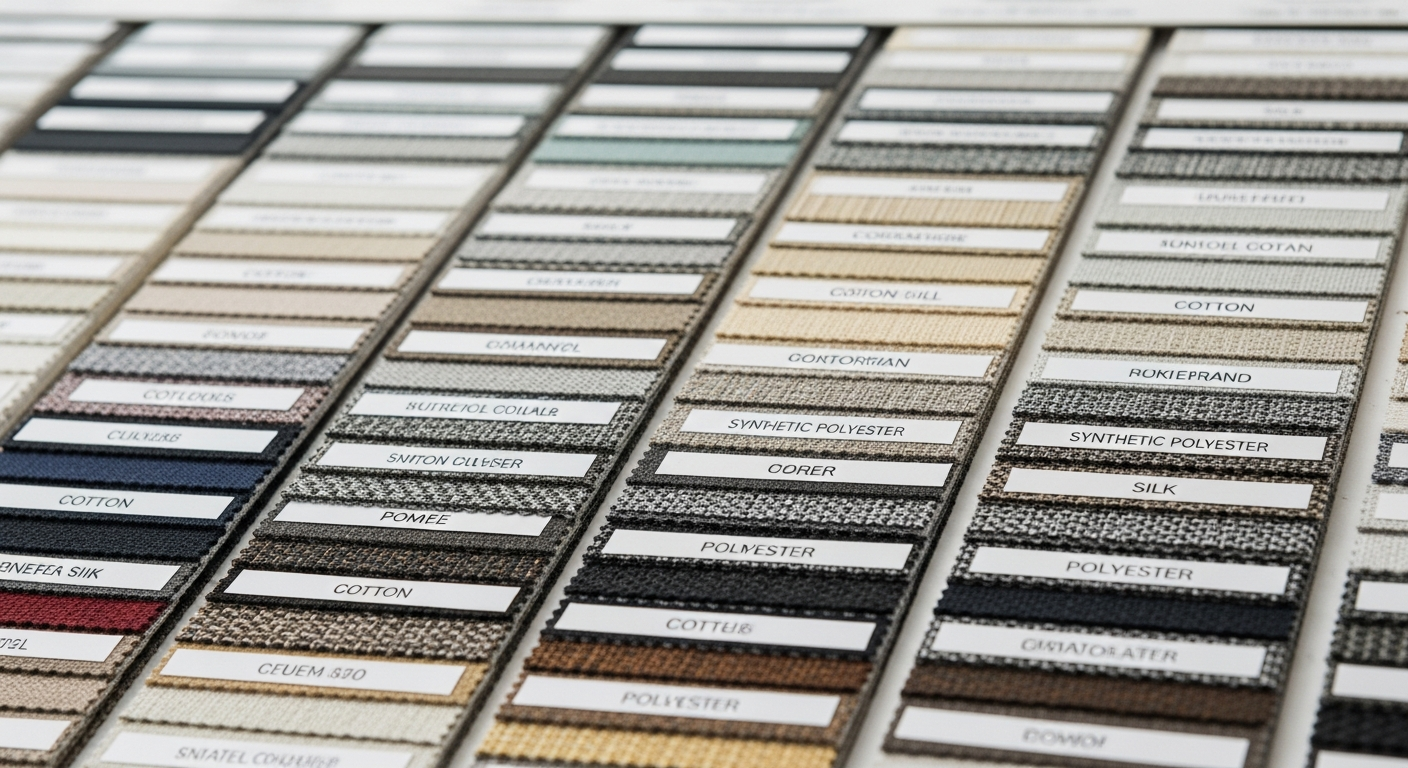
Low MOQ is attractive because it lets a new brand test demand without buying a warehouse of stock. But low MOQ does not remove manufacturing economics; it simply moves the cost and risk into sampling, setup, fabric sourcing and changeover.
A good low-MOQ supplier is not the one that says yes to every quantity. It is the one that explains which materials, styles and construction choices make a small run stable.
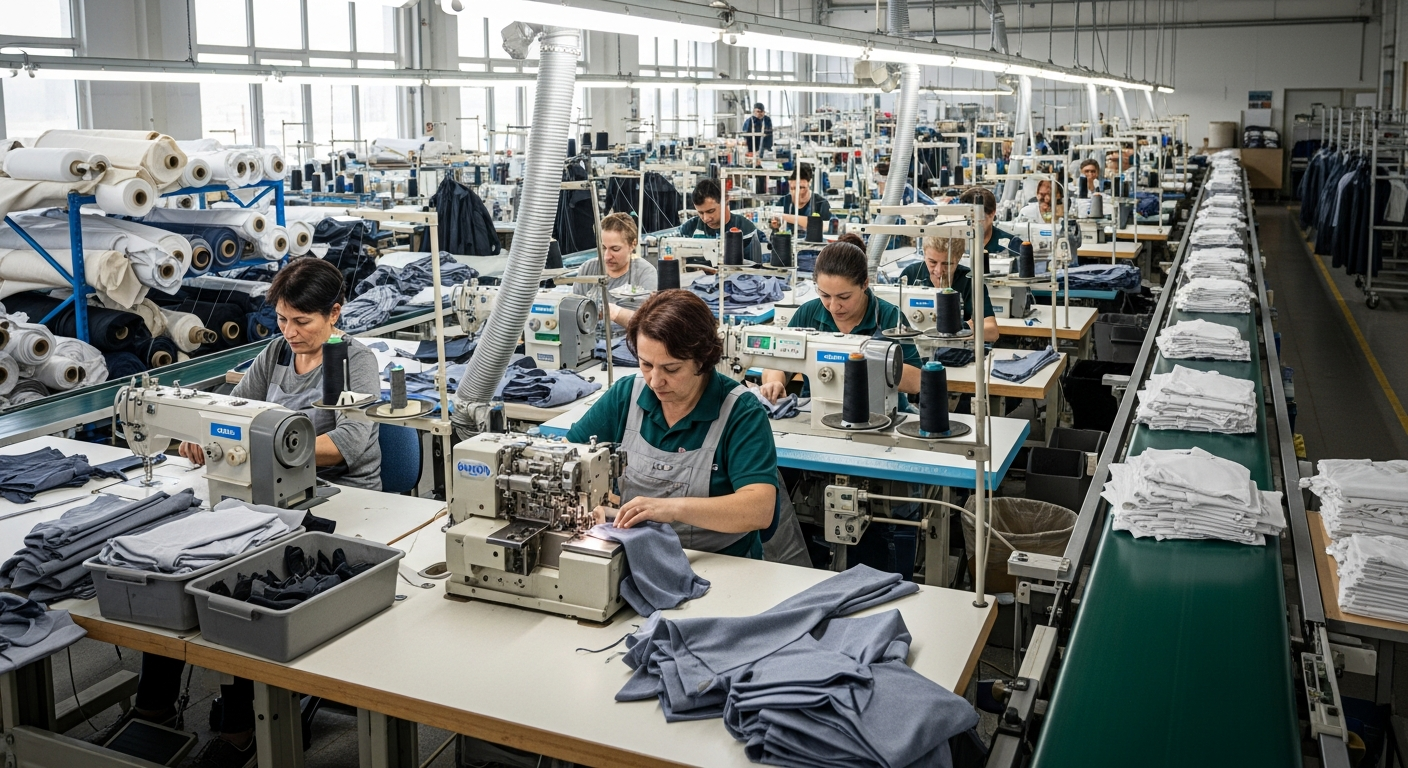
Low MOQ is a market test, not magic
The right decision is to simplify the first run: fewer fabrics, fewer colors, stable trims and a clear size curve. Complexity makes low MOQ expensive faster than quantity does.
The buyer should treat low MOQ as a pilot strategy, not a way to get mass-production economics at prototype scale.
Where the cost really hides
- Separate sampling MOQ from bulk MOQ.
- Ask whether fabric stock is available or custom-ordered.
- Avoid too many colorways before fit and construction are proven.
- Define tolerance and inspection rules even for small batches.
- Compare total launch cost, not only unit cost.
Quality decisions for small runs
Textile labeling, responsible supply chain and traceability sources all point to the same hidden truth: a small order still needs disciplined product data. Low MOQ becomes risky when the buyer treats documentation as something only large brands need.
A supplier conversation that saves money
- Launch with one hero fabric and a narrow size/color matrix.
- Use a pre-costing sheet before sampling.
- Ask the supplier what they would remove to improve stability.
- Approve a sealed sample and measurement table.
- Write MOQ logic clearly in supplier profiles and service pages.
How small workshops can position themselves
Low-MOQ content speaks to a large search audience of new brands while still bringing qualified manufacturers into the TR2B funnel.
After this preparation, state your scope, evidence, sample process, MOQ and quality records clearly in the supplier profile. Use TR2B contract manufacturing category for the relevant category, the TR2B overview guide for profile setup and TR2B service pages when service listing is the right next step.
Low-MOQ Apparel Production: Cost, Quality and Supplier Risk for New Brands: Supplier Decision Framework
Use Low-MOQ Apparel Production: Cost, Quality and Supplier Risk for New Brands as a short operating brief for Textile Contract Manufacturing. The useful output is a cleaner decision around How small workshops can position themselves, with fewer assumptions hidden inside price comparison.
Do not let treating fabric choice, labeling and final inspection as separate topics instead of one release system become normal practice. A useful supplier review should show what is known, what is missing and what must be tested next.
Documents Behind the Next Gate
- fabric composition and care-label basis: If fabric shrinkage tolerance is weak, keep Low-MOQ Apparel Production: Cost, Quality and Supplier Risk for New Brands in clarification rather than approval.
- AQL or inspection plan: Ask who owns AQL or inspection plan and how sample revision count will be checked.
- restricted-substance test scope: Connect restricted-substance test scope to defect rate by operation before price becomes the main filter.
- sample and size-set approval record: Use shipment inspection result to decide whether Low-MOQ Apparel Production: Cost, Quality and Supplier Risk for New Brands is ready for supplier comparison.
Shortlist Move to Make Next
The result should be a decision path that a colleague can repeat without rereading the whole article.
- Use How small workshops can position themselves to test this action: Confirm material identity before sampling.
- Use How small workshops can position themselves to test this action: Tie inspection checkpoints to the buyer specification.
- Use How small workshops can position themselves to test this action: Keep test reports and care-label logic in the same supplier file.
Editorial quality checklist for Textile Contract Manufacturing
Low-MOQ Apparel Production: Cost, Quality and Supplier EN guide should be used as a working decision file, not only as a reading page. The practical check is whether a buyer can leave the article with a clear scope, required evidence, supplier questions, risk owner and next action for Textile Contract Manufacturing.
For stronger SEO and buyer usefulness, this page now connects the topic to proof, implementation and related sourcing paths. That reduces thin-content risk and helps the reader move from general research to a verifiable supplier or operating decision.
- Define the decision: write product or service scope, target market, expected volume, approval owner and the date of the next review.
- Ask for current evidence: request documents that match this exact product, service, batch, process or customer scenario.
- Compare complete answers: score response quality, missing data, correction speed and commercial assumptions before comparing price.
- Keep the first order controlled: connect sample approval, release criteria, logistics, payment terms and corrective action in one note.
| Review area | Quality question |
|---|---|
| Scope | Product, market, volume, owner and release rule are written before supplier comparison. |
| Evidence | Specification, sample, quality record, certificate, label or service proof is checked for date and relevance. |
| Decision | The buyer records what can be approved now, what is blocked and who owns the next correction. |
FAQ for this article
What should be checked first for Textile Contract Manufacturing?
Start with the decision file: scope, evidence, acceptance criteria, delivery assumptions and the person who can approve or stop the next step.
How does this article support supplier or partner selection?
It turns the topic into a checklist of records, questions and comparison rules, so the reader can separate a strong answer from a generic sales reply.
When should the reader move to a related guide?
Move to a related guide when the next risk is outside the current page, such as supplier discovery, contract manufacturing, food safety, logistics or company verification.
Useful cross-site next reads
Read Before Moving Forward
Related checks for Low-MOQ Apparel Production: Cost, Quality and Supplier Risk for New Brands: review these pages before supplier approval or production release.
- Textile Contract Manufacturing Guide
- Garment Contract Manufacturing: CMT, MOQ and Quality Control
- Quality Control in Textile Manufacturing: AQL and Inspection Guide
- Fabric Selection and Sourcing for Contract Manufacturing
- How to Prepare a Manufacturing Contract
- Choosing the Right Contract Manufacturing Partner
- What is Contract Manufacturing? Complete Guide
- Contract Manufacturing: Advantages and Disadvantages
Sources and Further Reading
Source check for Low-MOQ Apparel Production: Cost, Quality and Supplier Risk for New Brands: official standards, regulator pages and sector references are listed below. Validate final legal, medical, food or export decisions against the current primary text.