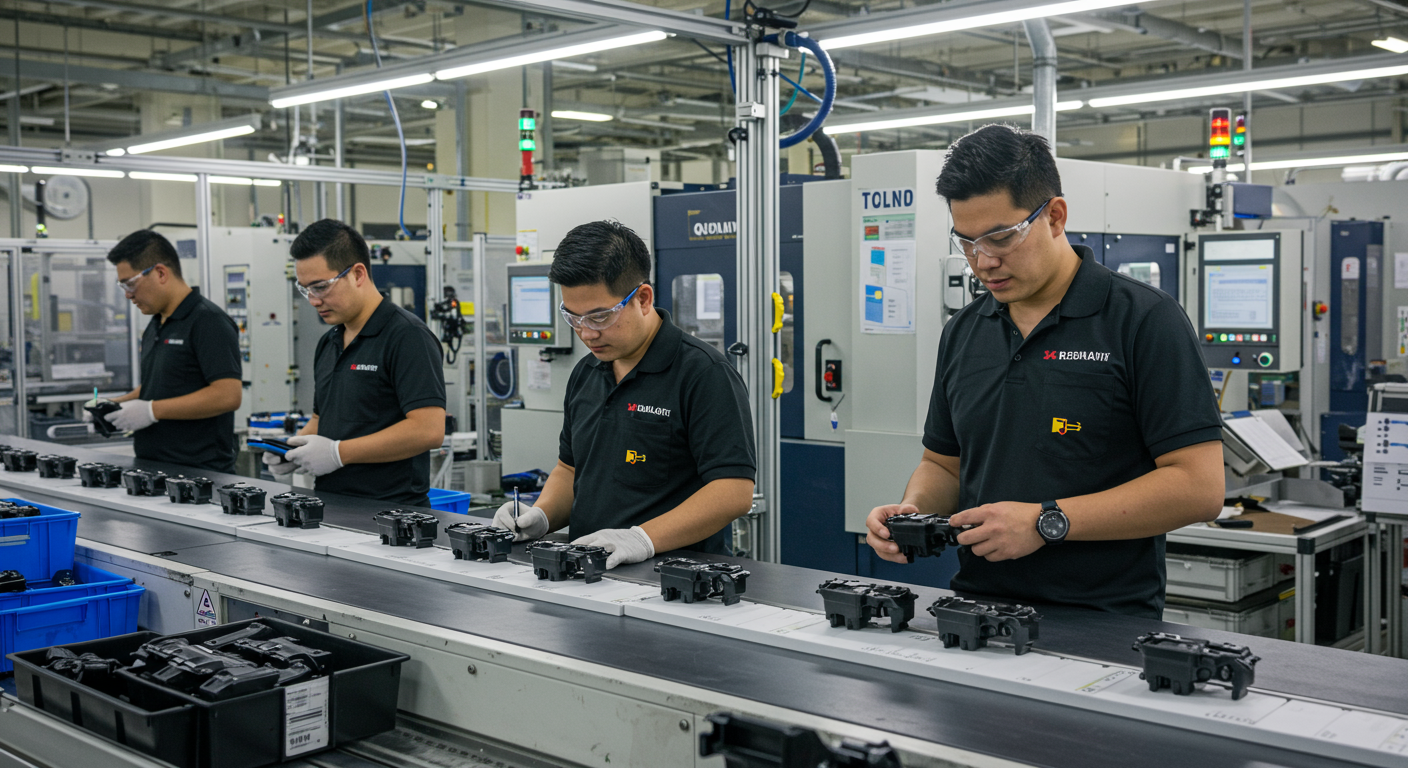
Understanding cost structure in contract manufacturing is essential for building a sustainable business model. Accurate cost analysis helps you determine the right pricing strategy and evaluate manufacturer quotes effectively.
Key Cost Components
1. Raw Material Costs
Typically the largest cost component, representing 40-60% of total production costs. Includes all materials, components, and packaging required to manufacture the product.
2. Labor Costs
Direct labor for production workers, including wages, benefits, and employer contributions. Turkey offers competitive labor costs compared to Western Europe.
3. Overhead and Facility Costs
Factory rent, energy, equipment depreciation, and maintenance costs allocated per unit produced.

4. Quality Control Costs
Laboratory testing, inspection, certification maintenance, and quality assurance personnel.
5. Manufacturer Profit Margin
The manufacturer's margin on top of production costs, typically ranging from 10-30% depending on complexity and volume.
How to Reduce Manufacturing Costs
- Increase Order Volume: Higher quantities result in lower per-unit costs
- Simplify Product Design: Fewer components and simpler assembly reduce labor costs
- Standardize Packaging: Use standard packaging sizes to reduce tooling costs
- Long-term Contracts: Secure better pricing with volume commitments
- Multiple Quotes: Compare offers from multiple manufacturers
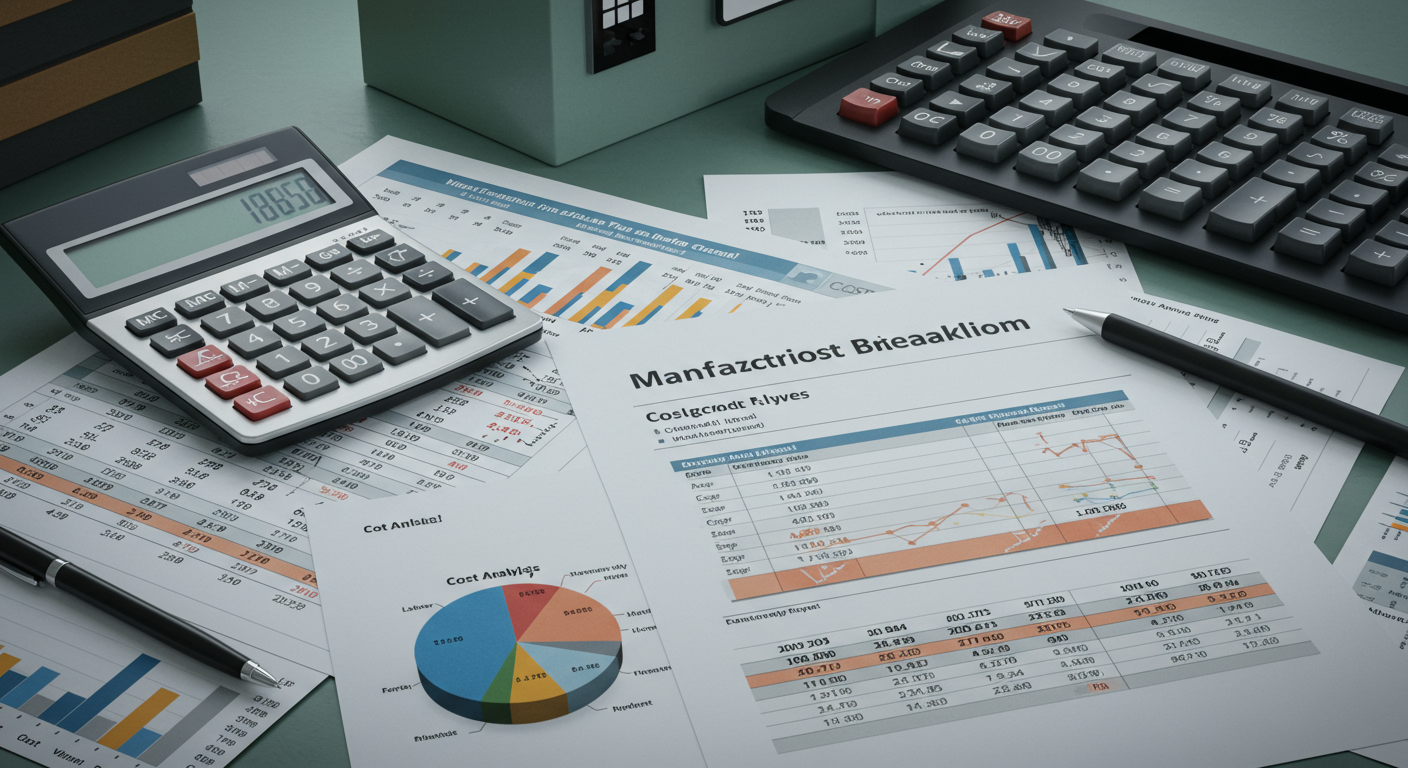
Common Pricing Models
- Cost-Plus Pricing: Total cost + fixed profit margin
- Fixed Price: Agreed price per unit regardless of actual costs
- Volume-Based Pricing: Unit price decreases as order volume increases
Learn more about What is Contract Manufacturing and how to Prepare a Manufacturing Contract.
Cost Calculation in Contract Manufacturing: Supplier Decision Framework
For Contract Manufacturing Guide, Cost Calculation in Contract Manufacturing should reduce ambiguity before the first quote. That means turning Key Cost Components into written scope, evidence and a clear stop-go rule.
When teams rush, they often fall into reading definitions without translating them into evidence, owner, deadline and next action. The fix is simple: separate fact, assumption and open question before the quote is scored.
Questions That Separate Proof from Claims
- written scope: If decision speed is weak, keep Cost Calculation in Contract Manufacturing in clarification rather than approval.
- supplier evidence: Make supplier evidence visible in the file so the next buyer can audit the decision.
- quality or compliance record: Treat supplier fit as the signal that separates a claim from usable proof.
- commercial next step: Score commercial next step against the same rule across every supplier reply.
Next Gate Before Supplier Approval
For Contract Manufacturing Guide, this keeps the page useful for searchers who are already close to a supplier decision.
- First: Write the requirement in buyer language.
- Then: Ask for evidence before comparing price.
- Before approval: Decide the next gate: sample, pilot, quote or stop.
Cost Calculation in Contract Manufacturing: RFQ Translation
Treat Cost Calculation in Contract Manufacturing as RFQ preparation for Contract Manufacturing Guide. A buyer should leave the page with clearer questions, and a supplier should know which information must appear before quotation.
Key Cost Components is the best place to convert reading into action: write the missing inputs, separate sample from volume order and make lead-time assumptions explicit.
| Control | How to use it |
|---|---|
| Scope | Define what Cost Calculation in Contract Manufacturing includes and excludes before supplier contact. |
| Proof | Ask which document, sample or record supports Key Cost Components. |
| Timing | Separate first reply, sample review, pilot order and volume approval for Cost Calculation in Contract Manufacturing. |
| Owner | Assign one person to collect missing data and update the Cost Calculation in Contract Manufacturing file. |
Cost Calculation in Contract Manufacturing: final check
- Write the buyer or supplier objective for Cost Calculation in Contract Manufacturing in one paragraph.
- List the documents that would make Key Cost Components verifiable.
- Compare price only after scope, evidence and timing are written.
- Keep the next action concrete: request data, approve sample, run pilot or stop.
Editorial quality checklist for Contract Manufacturing Guide
Cost Calculation in Contract Manufacturing EN guide should be used as a working decision file, not only as a reading page. The practical check is whether a buyer can leave the article with a clear scope, required evidence, supplier questions, risk owner and next action for Contract Manufacturing Guide.
For stronger SEO and buyer usefulness, this page now connects the topic to proof, implementation and related sourcing paths. That reduces thin-content risk and helps the reader move from general research to a verifiable supplier or operating decision.
- Define the decision: write product or service scope, target market, expected volume, approval owner and the date of the next review.
- Ask for current evidence: request documents that match this exact product, service, batch, process or customer scenario.
- Compare complete answers: score response quality, missing data, correction speed and commercial assumptions before comparing price.
- Keep the first order controlled: connect sample approval, release criteria, logistics, payment terms and corrective action in one note.
| Review area | Quality question |
|---|---|
| Scope | Product, market, volume, owner and release rule are written before supplier comparison. |
| Evidence | Specification, sample, quality record, certificate, label or service proof is checked for date and relevance. |
| Decision | The buyer records what can be approved now, what is blocked and who owns the next correction. |
FAQ for this article
What should be checked first for Contract Manufacturing Guide?
Start with the decision file: scope, evidence, acceptance criteria, delivery assumptions and the person who can approve or stop the next step.
How does this article support supplier or partner selection?
It turns the topic into a checklist of records, questions and comparison rules, so the reader can separate a strong answer from a generic sales reply.
When should the reader move to a related guide?
Move to a related guide when the next risk is outside the current page, such as supplier discovery, contract manufacturing, food safety, logistics or company verification.
Useful cross-site next reads
Read Before Moving Forward
Related checks for Cost Calculation in Contract Manufacturing: review these pages before supplier approval or production release.
- What is Contract Manufacturing? Complete Guide
- Contract Manufacturing: Advantages and Disadvantages
- Contract Manufacturing Processes: Step by Step Guide
- Quality Management in Contract Manufacturing
- How to Prepare a Manufacturing Contract
- Choosing the Right Contract Manufacturing Partner
- What Is MES? Manufacturing Execution Systems for Contract Manufacturing
- OEE Explained: How to Calculate Manufacturing Performance Without Fooling Yourself
Sources and Further Reading
Source check for Cost Calculation in Contract Manufacturing: official standards, regulator pages and sector references are listed below. Validate final legal, medical, food or export decisions against the current primary text.