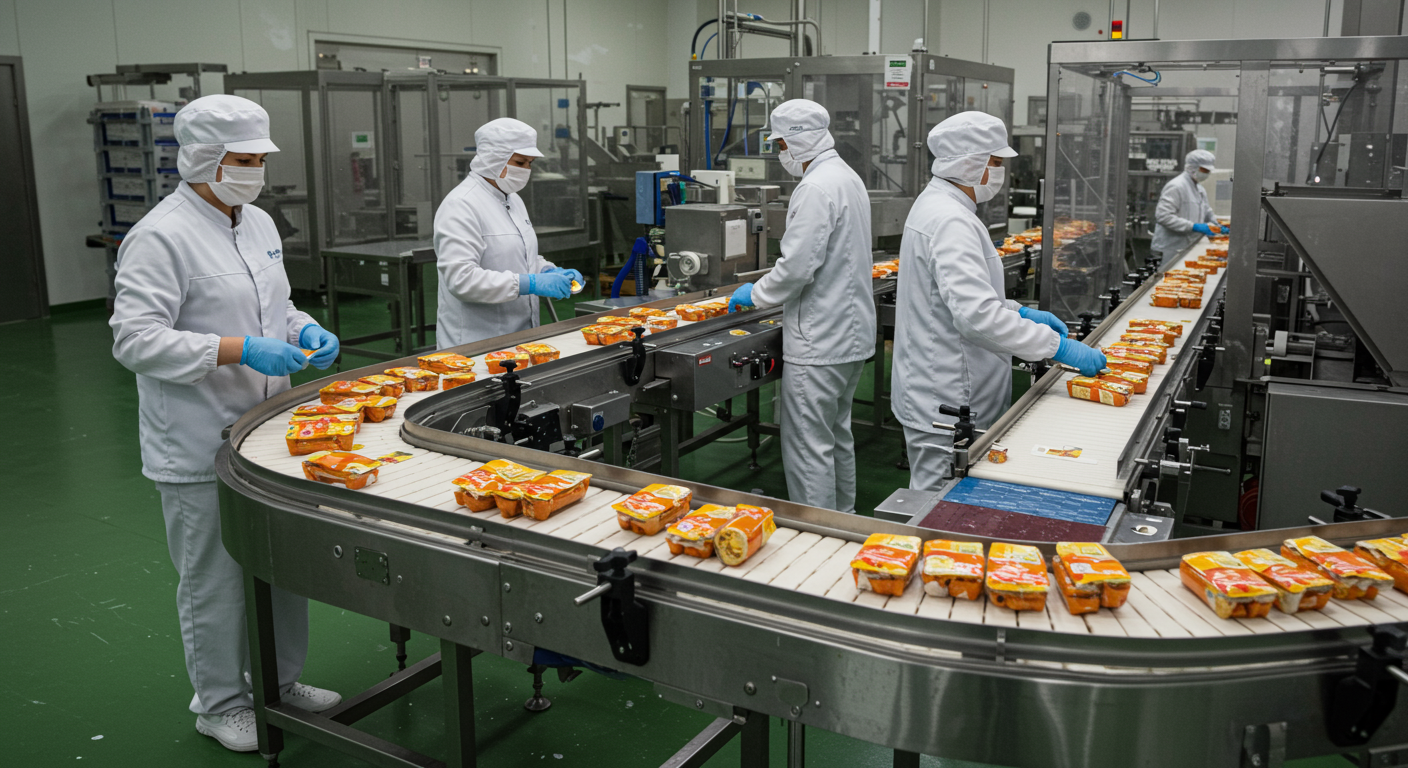
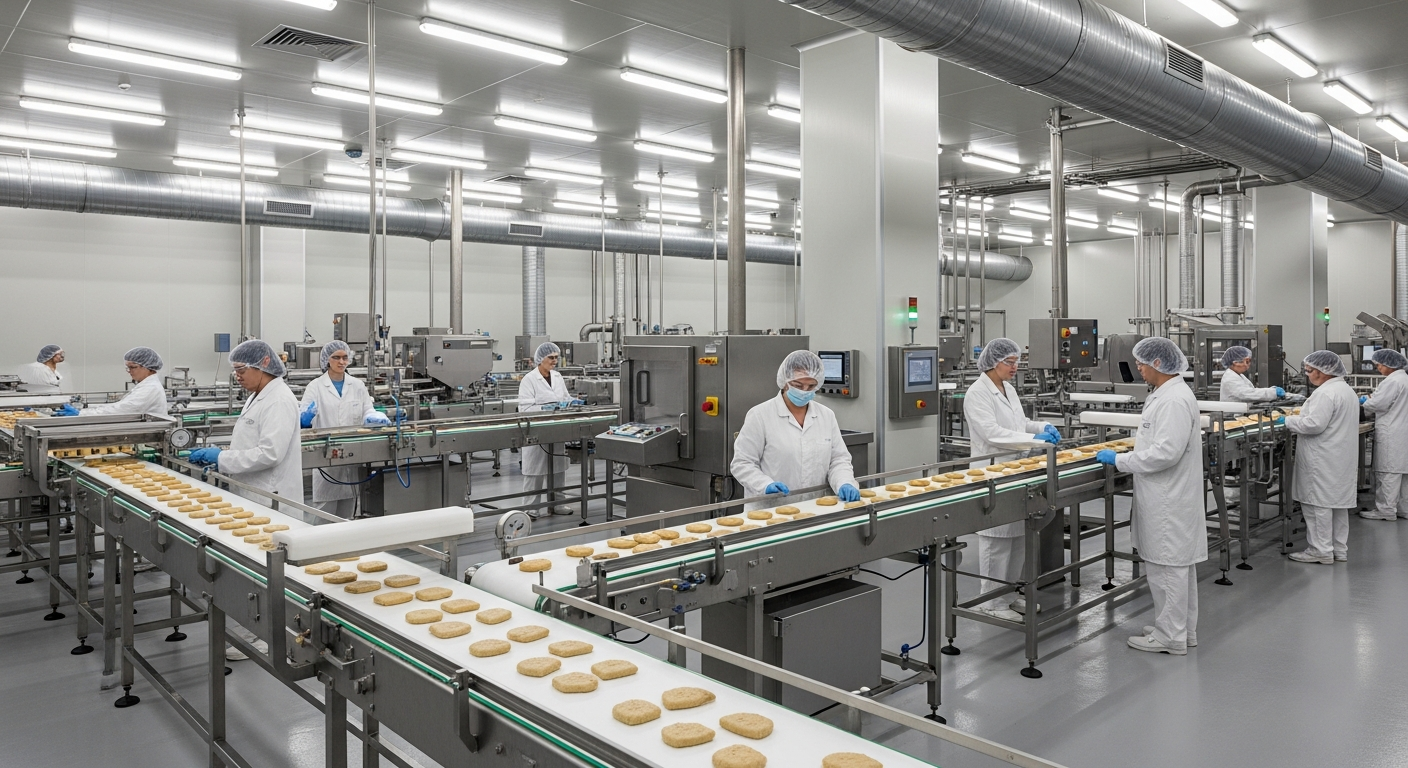
The organic and natural food market is experiencing rapid global growth as consumers increasingly seek healthier and more sustainable food options. Contract manufacturing is the most practical route to launch your own organic food brand without building a production facility.
Organic vs. Natural Food
Organic food has a formal legal definition and requires third-party certification. It prohibits synthetic pesticides, artificial fertilizers, GMOs, and most artificial additives. Natural food has no legally standardized definition in most countries and typically refers to minimally processed foods with no artificial ingredients — but without mandatory certification.
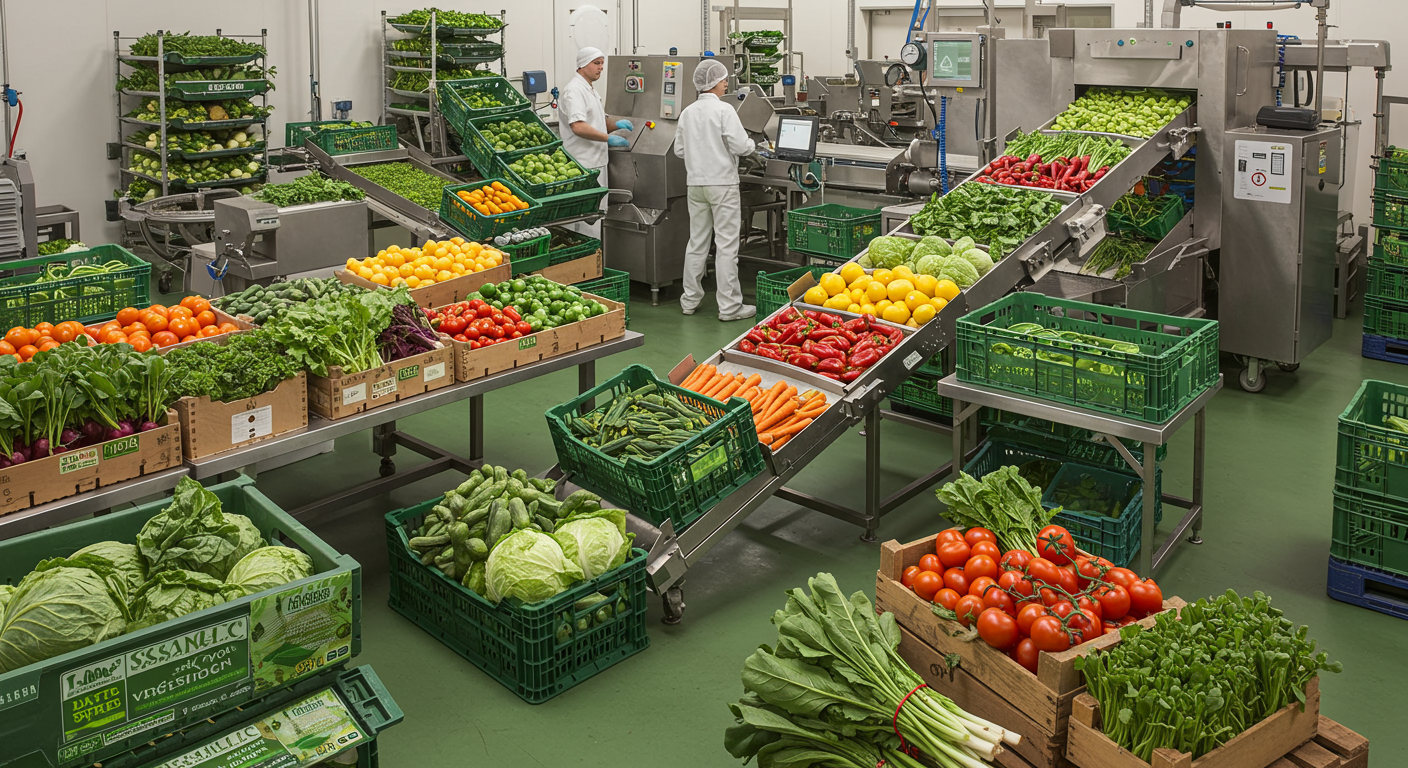
Organic Certification in Turkey
In Turkey, organic production is governed by the Ministry of Agriculture and Forestry and controlled by authorized private inspection and certification bodies. Products sold as "organic" must carry the ministry-approved organic logo and certification number.
Major Organic Certifications
- Turkish Organic (TR): Ministry of Agriculture approval for domestic market
- EU Organic: Required for export to EU member states
- USDA Organic: Required for export to the United States
- Demeter: Biodynamic farming certification
Requirements for Organic Contract Manufacturing
- Organic-certified production facility
- Segregated production lines or thorough cleaning procedures between organic and conventional production
- Traceability documentation for all organic ingredients
- Organic-compatible packaging materials
- Annual inspection and certification renewal
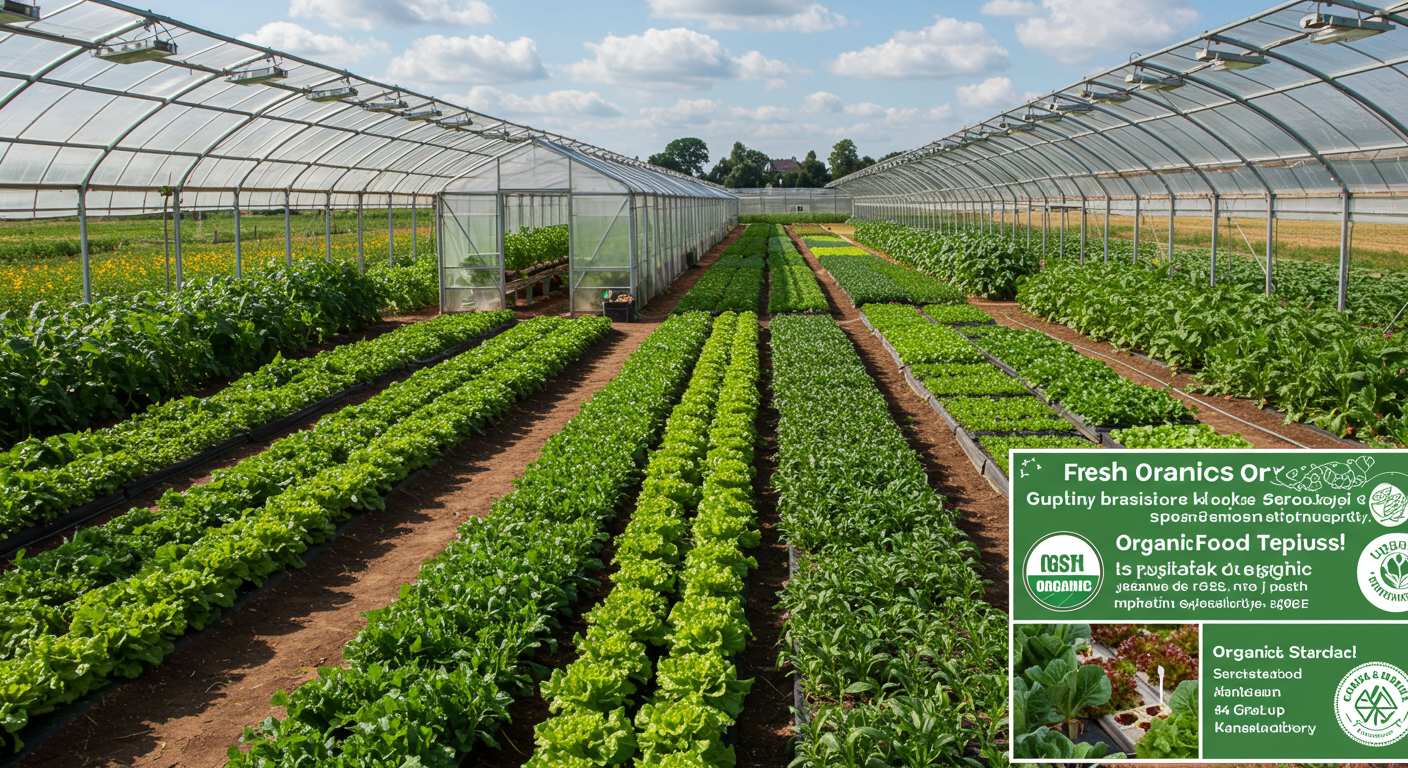
Finding Organic Manufacturers in Turkey
Turkey is one of Europe's largest organic agriculture countries. To connect with certified organic food manufacturers, use the TR2B food manufacturing platform where you can filter by certification and production capability.
Popular Organic Private Label Categories
- Organic baby foods and snacks
- Organic herbs, spices, and teas
- Organic grains, legumes, and flours
- Organic jams, honeys, and spreads
- Organic cold-pressed oils
- Organic dairy and plant-based beverages
For labeling requirements for organic products, see Food Labeling and Packaging and Food Manufacturing Guide.
Organic and Natural Food Contract Manufacturing: Supplier Decision Framework
A serious review of Organic and Natural Food Contract Manufacturing starts with one question: can the reader prove the supplier can control formulation, labeling, packaging, shelf life and batch evidence before a commercial order? The answer should be visible in the supplier file, not only in a sales conversation.
The practical failure mode is accepting a quotation before the regulatory, stability and test-report responsibilities are written down. Before approving a next step, write the evidence that would make the decision defensible.
Supplier Signals Worth Checking
| Evidence | Signal | Decision Use |
|---|---|---|
| ingredient and specification file | sample approval time | If sample approval time is weak, keep Organic and Natural Food Contract Manufacturing in clarification rather than approval. |
| label or claim review | complaint and nonconformance response | Make label or claim review visible in the file so the next buyer can audit the decision. |
| shelf-life or stability rationale | test-report turnaround | Treat test-report turnaround as the signal that separates a claim from usable proof. |
| batch and traceability record | certificate scope | Score batch and traceability record against the same rule across every supplier reply. |
From Reading to Supplier Action
Use the page as a living note; update the supplier file when a new risk, document or market requirement appears.
- Organic and Natural Food Contract Manufacturing: Ask for the exact product form and target market.
- Organic and Natural Food Contract Manufacturing: Request certificate scope and recent test evidence.
- Organic and Natural Food Contract Manufacturing: Define sample, pilot and release criteria before price comparison.
Organic and Natural Food Contract Manufacturing: Supplier Decision Note
For Organic and Natural Food Contract Manufacturing, use the article as a supplier decision note inside Food Contract Manufacturing. The practical question is not whether the topic is interesting; it is whether the buyer can define scope, request proof and decide the next gate without adding guesswork.
Start from Popular Organic Private Label Categories. Then turn the idea into one written brief that names the product or service scope, the acceptance rule, the document owner and the point where the project should pause.
| Control | How to use it |
|---|---|
| Scope | Define what Organic and Natural Food Contract Manufacturing includes and excludes before supplier contact. |
| Proof | Ask which document, sample or record supports Popular Organic Private Label Categories. |
| Timing | Separate first reply, sample review, pilot order and volume approval for Organic and Natural Food Contract Manufacturing. |
| Owner | Assign one person to collect missing data and update the Organic and Natural Food Contract Manufacturing file. |
Organic and Natural Food Contract Manufacturing: final check
- Write the buyer or supplier objective for Organic and Natural Food Contract Manufacturing in one paragraph.
- List the documents that would make Popular Organic Private Label Categories verifiable.
- Compare price only after scope, evidence and timing are written.
- Keep the next action concrete: request data, approve sample, run pilot or stop.
Editorial quality checklist for Food Contract Manufacturing
Organic and Natural Food Contract Manufacturing EN guide should be used as a working decision file, not only as a reading page. The practical check is whether a buyer can leave the article with a clear scope, required evidence, supplier questions, risk owner and next action for Food Contract Manufacturing.
For stronger SEO and buyer usefulness, this page now connects the topic to proof, implementation and related sourcing paths. That reduces thin-content risk and helps the reader move from general research to a verifiable supplier or operating decision.
- Define the decision: write product or service scope, target market, expected volume, approval owner and the date of the next review.
- Ask for current evidence: request documents that match this exact product, service, batch, process or customer scenario.
- Compare complete answers: score response quality, missing data, correction speed and commercial assumptions before comparing price.
- Keep the first order controlled: connect sample approval, release criteria, logistics, payment terms and corrective action in one note.
| Review area | Quality question |
|---|---|
| Scope | Product, market, volume, owner and release rule are written before supplier comparison. |
| Evidence | Specification, sample, quality record, certificate, label or service proof is checked for date and relevance. |
| Decision | The buyer records what can be approved now, what is blocked and who owns the next correction. |
FAQ for this article
What should be checked first for Food Contract Manufacturing?
Start with the decision file: scope, evidence, acceptance criteria, delivery assumptions and the person who can approve or stop the next step.
How does this article support supplier or partner selection?
It turns the topic into a checklist of records, questions and comparison rules, so the reader can separate a strong answer from a generic sales reply.
When should the reader move to a related guide?
Move to a related guide when the next risk is outside the current page, such as supplier discovery, contract manufacturing, food safety, logistics or company verification.
Useful cross-site next reads
Guides That Complete the Food Sourcing Decision
Related checks for Organic and Natural Food Contract Manufacturing: review these pages before supplier approval or production release.
- Food Sector Contract Manufacturing: Complete Guide
- Food Labeling and Packaging in Contract Manufacturing
- How to Find Turkey-Based Food Manufacturers and Contract Manufacturers
- Quality Management in Contract Manufacturing
- How to Prepare a Manufacturing Contract
- What is Contract Manufacturing? Complete Guide
- Contract Manufacturing: Advantages and Disadvantages
- Contract Manufacturing Processes: Step by Step Guide
Sources and Further Reading
Source check for Organic and Natural Food Contract Manufacturing: official standards, regulator pages and sector references are listed below. Validate final legal, medical, food or export decisions against the current primary text.