A HACCP plan is not a certificate to mention in a sales brochure. It is a living food-safety logic that connects hazards, controls, monitoring, corrective action, verification and records.
In contract food manufacturing, HACCP also protects the buyer-manufacturer relationship because it makes responsibilities visible before the first commercial batch.

HACCP should be product-specific enough to matter
The buyer should be suspicious of generic HACCP claims. A real plan should name the product family, process flow, hazards, control points, monitoring method and records.
The strongest suppliers can explain not only that they have HACCP, but how the plan changes for the product, process and packaging in question.
Core elements buyers should review
- Review the process flow diagram with the supplier.
- Check allergen, sanitation and cross-contact controls.
- Ask how deviations are recorded and closed.
- Verify whether preventive controls are written and monitored.
- Connect batch release to food-safety records.
What Codex and FDA sources teach
Codex provides the global HACCP foundation; FDA FSMA preventive controls show the modern risk-based direction. For FasonZon, the interpretation is that food articles should teach buyers to ask for a functioning plan, not a logo or certificate alone.
Contract responsibilities in the food safety plan
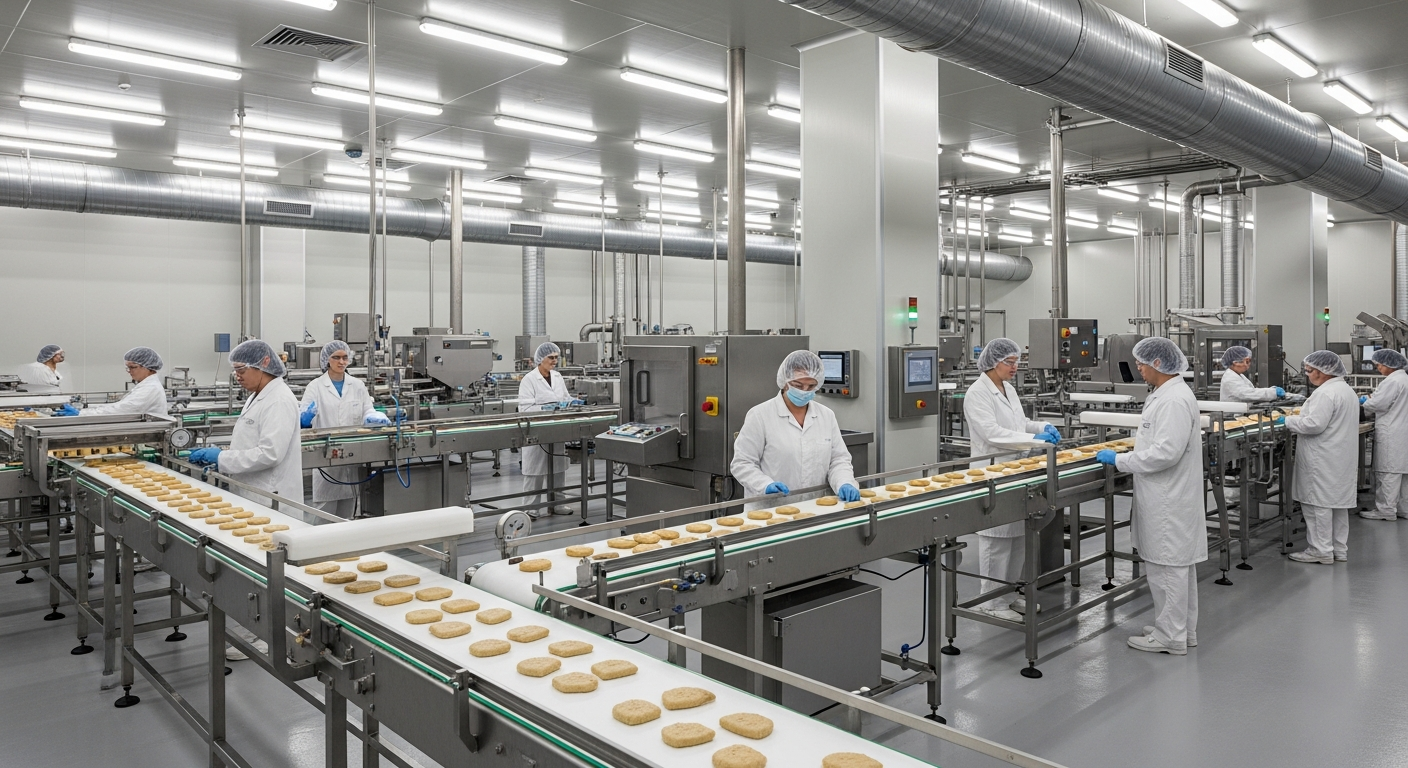
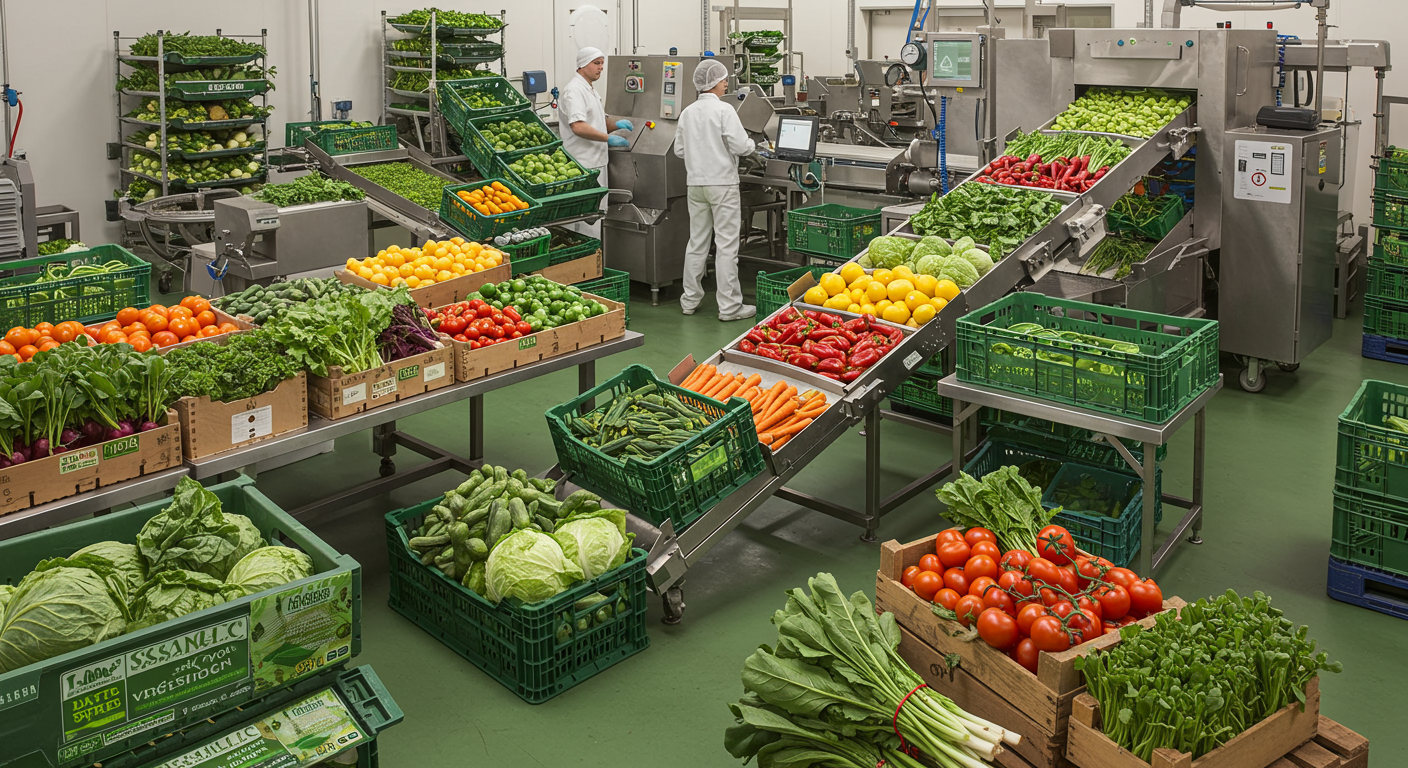
A useful HACCP review for contract food manufacturing should move through the plant, not only through a document list. Raw-material receiving, allergen segregation, sieving or filtration, metal detection, cooking or pasteurization, cooling, filling, sealing, labeling, storage and dispatch each need their own hazard logic.
| Control area | What the buyer should ask | Evidence to request |
|---|---|---|
| Raw material receiving | How are supplier approval, COA review, temperature, damage and lot identity checked? | Approved supplier list, receiving record, COA, temperature log and rejection record. |
| Allergen matrix | Which allergens are handled on the same line and how is cross-contact prevented? | Allergen matrix, scheduling rule, cleaning validation and label review record. |
| CCP or OPRP | Is the control point critical, operational prerequisite or general prerequisite? | Hazard analysis, decision tree, critical limits, monitoring record and corrective action. |
| Foreign-body control | Where are metal detector, magnet, sieve, filter or visual checks located? | Device challenge tests, sieve inspection, rejection logs and maintenance records. |
| Batch release | Who releases the batch and which records must be complete before shipment? | Release checklist, QC approval, nonconformity closure and traceability record. |
| Recall test | Can the supplier trace one batch forward and backward within a defined time? | Mock recall report, lot genealogy and customer dispatch records. |
The buyer and manufacturer should also agree on a responsibility matrix. The manufacturer may control process hygiene and records, while the buyer may own formula approval, claim language, target-market label requirements and final commercial release. If that split is not written, HACCP becomes a factory document instead of a shared risk-control system.
- Request the product-family HACCP summary before sampling.
- Review allergen matrix and cleaning validation logic.
- Define who approves label and ingredient changes.
- Ask for one anonymized corrective action example.
- Use HACCP strength in TR2B food service listings.
Using HACCP evidence in supplier marketing
Food-safety content deserves depth because it attracts buyers who care about avoiding recalls, not only getting a cheaper unit price.
After this preparation, state your scope, evidence, sample process, MOQ and quality records clearly in the supplier profile. Use TR2B contract manufacturing category for the relevant category, the TR2B overview guide for profile setup and TR2B service pages when service listing is the right next step.
HACCP Plan for Contract Food Manufacturing: From Hazard Analysis to Buyer Trust: Supplier Decision Framework
Use HACCP Plan for Contract Food Manufacturing: From Hazard Analysis to Buyer Trust as a short operating brief for Food Contract Manufacturing. The useful output is a cleaner decision around Contract responsibilities in the food safety plan, with fewer assumptions hidden inside price comparison.
Do not let accepting a quotation before the regulatory, stability and test-report responsibilities are written down become normal practice. A useful supplier review should show what is known, what is missing and what must be tested next.
Documents Behind the Next Gate
- ingredient and specification file: Use this line to turn haccp, plan, contract, food from a keyword into a procurement control.
- label or claim review: Score label or claim review against the same rule across every supplier reply.
- shelf-life or stability rationale: Treat sample approval time as the signal that separates a claim from usable proof.
- batch and traceability record: Make batch and traceability record visible in the file so the next buyer can audit the decision.
Shortlist Move to Make Next
If the evidence is thin, slow the project down. If the evidence is clear, move to the next gate with fewer surprises.
- Use Contract responsibilities in the food safety plan to test this action: Ask for the exact product form and target market.
- Use Contract responsibilities in the food safety plan to test this action: Request certificate scope and recent test evidence.
- Use Contract responsibilities in the food safety plan to test this action: Define sample, pilot and release criteria before price comparison.
Related buyer paths across the network
Guides That Complete the Food Sourcing Decision
Related checks for HACCP Plan for Contract Food Manufacturing: From Hazard Analysis to Buyer Trust: review these pages before supplier approval or production release.
- Food Sector Contract Manufacturing: Complete Guide
- Food Labeling and Packaging in Contract Manufacturing
- Organic and Natural Food Contract Manufacturing
- Quality Management in Contract Manufacturing
- How to Prepare a Manufacturing Contract
- What is Contract Manufacturing? Complete Guide
- Contract Manufacturing: Advantages and Disadvantages
- Contract Manufacturing Processes: Step by Step Guide
Sources and Further Reading
Source check for HACCP Plan for Contract Food Manufacturing: From Hazard Analysis to Buyer Trust: official standards, regulator pages and sector references are listed below. Validate final legal, medical, food or export decisions against the current primary text.