Not every RFQ deserves a quote. Some requests are too vague, too risky, too small for the line, too aggressive on timing or too careless with confidential know-how.
Stop-go criteria help the supplier protect margin and capacity while still responding professionally.
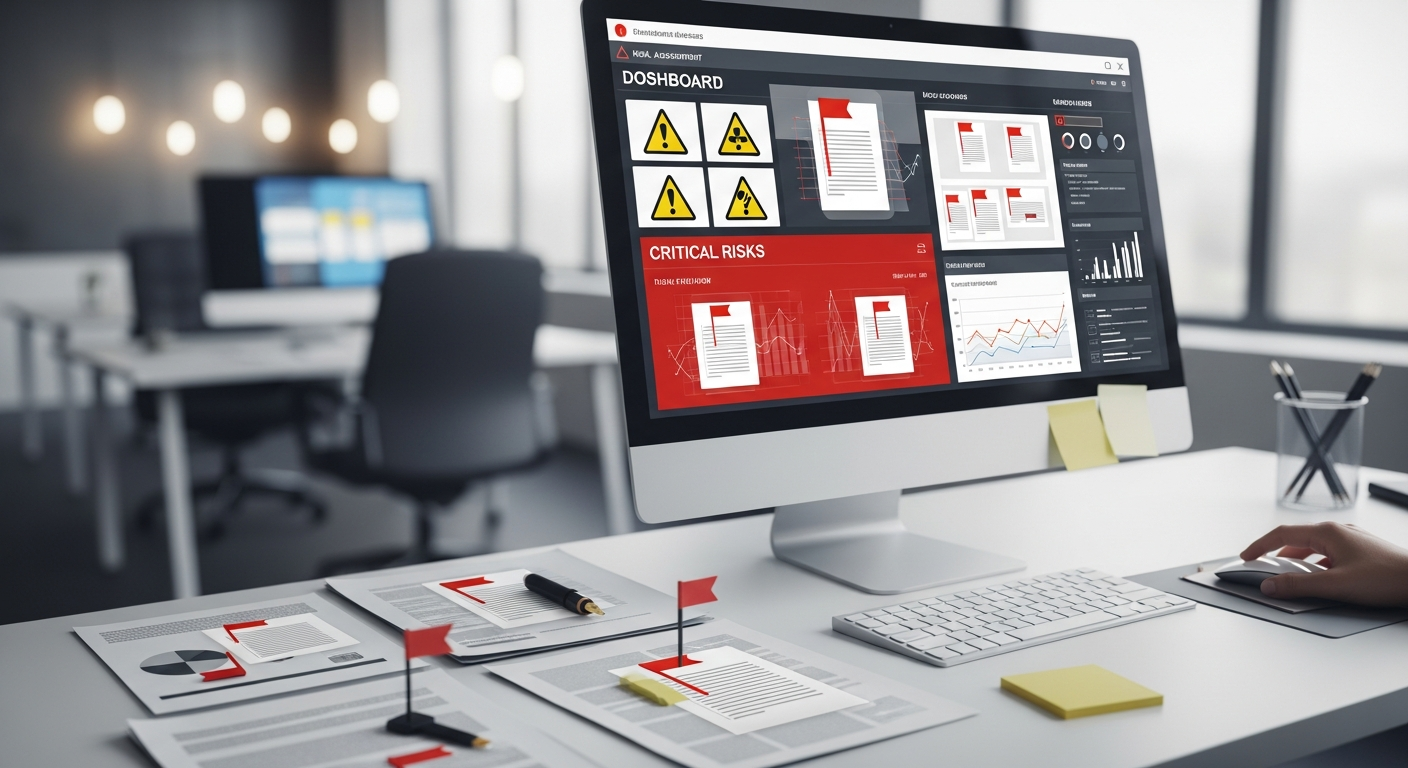
Declining can be a quality decision
The supplier should decide before quoting which combinations of low volume, unclear specification, high liability and weak buyer commitment trigger a pause or decline.
For buyers, visible criteria can also build trust because they show the manufacturer is disciplined rather than opportunistic.
Commercial and operational stop signs
- Set minimum information requirements for every quote.
- Define capacity, margin, regulatory and liability red flags.
- Use NDA before sharing sensitive process detail.
- Offer a paid feasibility or pilot when the project is promising but unclear.
- Keep rejection language helpful and specific.
Know-how and confidentiality boundaries
ISO quality language supports controlled decision-making, while WIPO trade secret material reminds suppliers to protect know-how deliberately. Helpful-content guidance suggests that even a refusal can be useful when it explains the next realistic step.
How to explain no without burning the lead
- Build a stop-go scorecard for sales and technical teams.
- Create standard responses for missing specification, low volume and NDA needs.
- Route promising unclear projects to paid feasibility.
- Review stopped RFQs monthly for pattern learning.
- Publish capability boundaries in supplier profiles.
TR2B profile signals that reduce mismatch
This article strengthens trust content because it treats quoting as a risk decision, not just a sales reflex.
After this preparation, state your scope, evidence, sample process, MOQ and quality records clearly in the supplier profile. Use TR2B contract manufacturing category for the relevant category, the TR2B overview guide for profile setup and TR2B service pages when service listing is the right next step.
Complete These Before Quoting
Related checks for Stop-Go Criteria Before Quoting: Protecting Margin, Capacity and Know-How: review these pages before supplier approval or production release.
- Contract Manufacturing Quote Template: Scope, MOQ and Lead Time
- Trusted Supplier Profile on B2B Platforms
- MOQ, Samples and Lead Time in Contract Manufacturing
- How Contract Manufacturers Find Customers
- Supplier Profile for Contract Manufacturing Jobs
- Cost Calculation in Contract Manufacturing
- How to Prepare a Manufacturing Contract
- What is Contract Manufacturing? Complete Guide
Sources and Further Reading
Source check for Stop-Go Criteria Before Quoting: Protecting Margin, Capacity and Know-How: official standards, regulator pages and sector references are listed below. Validate final legal, medical, food or export decisions against the current primary text.