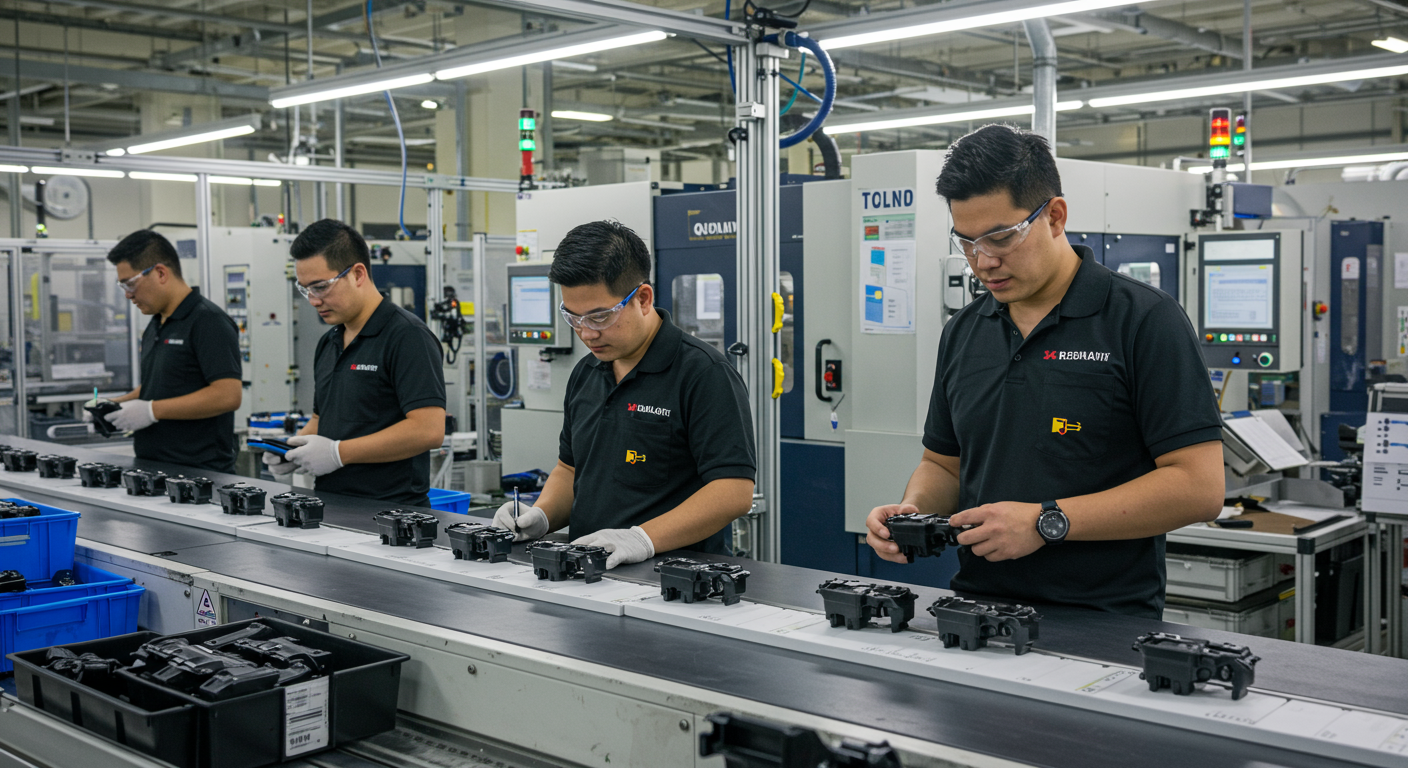
Sample approval is not the same thing as production readiness. A pilot run proves whether the approved sample can survive real materials, real operators, real changeovers and real release checks.
Open quality and smart manufacturing sources point to the same discipline: define the process, capture evidence and learn before volume. In contract manufacturing, that discipline protects both the brand owner and the supplier.

Why the pilot is a release gate
The decision is whether the sample is repeatable, not whether the sample looked good once. Repeatability requires material lot control, operator instructions, in-process limits, rework rules and final release criteria.
A useful pilot plan is small enough to learn quickly, but strict enough to expose the risks that would otherwise appear only after the first commercial order.
What the pilot record must contain
- Freeze the approved sample, specification version and packaging assumption before the pilot.
- Record material lots, equipment settings, operator names, inspection results and deviations.
- Separate cosmetic defects, functional defects and regulatory defects in the acceptance log.
- Define what happens if the pilot passes with concessions rather than clean approval.
- Use pilot findings to adjust the quote, lead time and control plan before series volume.
How the sources shape the plan
NIST smart manufacturing material emphasizes trustworthy data and measurement. ISO quality guidance frames control as a system, not a final inspection habit. GS1 traceability language helps the pilot record show which event and which data element created each decision.
A practical pilot run checklist
- Create a one-page pilot protocol before production starts.
- Run the pilot on the real line, not only in an R&D corner.
- Hold samples from start, middle and end of the run.
- Review deviations with purchasing, quality and production together.
- Approve series production only after the record, not only after visual review.
Turning pilot evidence into supplier trust
This topic adds practical depth because it gives buyers and suppliers a shared bridge between product idea and controlled production.
After this preparation, state your scope, evidence, sample process, MOQ and quality records clearly in the supplier profile. Use TR2B contract manufacturing category for the relevant category, the TR2B overview guide for profile setup and TR2B service pages when service listing is the right next step.
Read Before Moving Forward
Related checks for Pilot Run Plan: Moving from Sample Approval to Series Production: review these pages before supplier approval or production release.
- What is Contract Manufacturing? Complete Guide
- Contract Manufacturing: Advantages and Disadvantages
- Contract Manufacturing Processes: Step by Step Guide
- Quality Management in Contract Manufacturing
- Cost Calculation in Contract Manufacturing
- How to Prepare a Manufacturing Contract
- Choosing the Right Contract Manufacturing Partner
- What Is MES? Manufacturing Execution Systems for Contract Manufacturing
Sources and Further Reading
Source check for Pilot Run Plan: Moving from Sample Approval to Series Production: official standards, regulator pages and sector references are listed below. Validate final legal, medical, food or export decisions against the current primary text.