A batch record is the memory of a production run. It connects raw material lots, equipment, people, process parameters, deviations, inspections and release decisions into a file that can be reviewed after the product leaves the factory.
Traceability is not only a recall tool. It is a trust tool. When a buyer asks whether a nonconforming lot can be isolated, the supplier should be able to answer with records, not confidence alone.
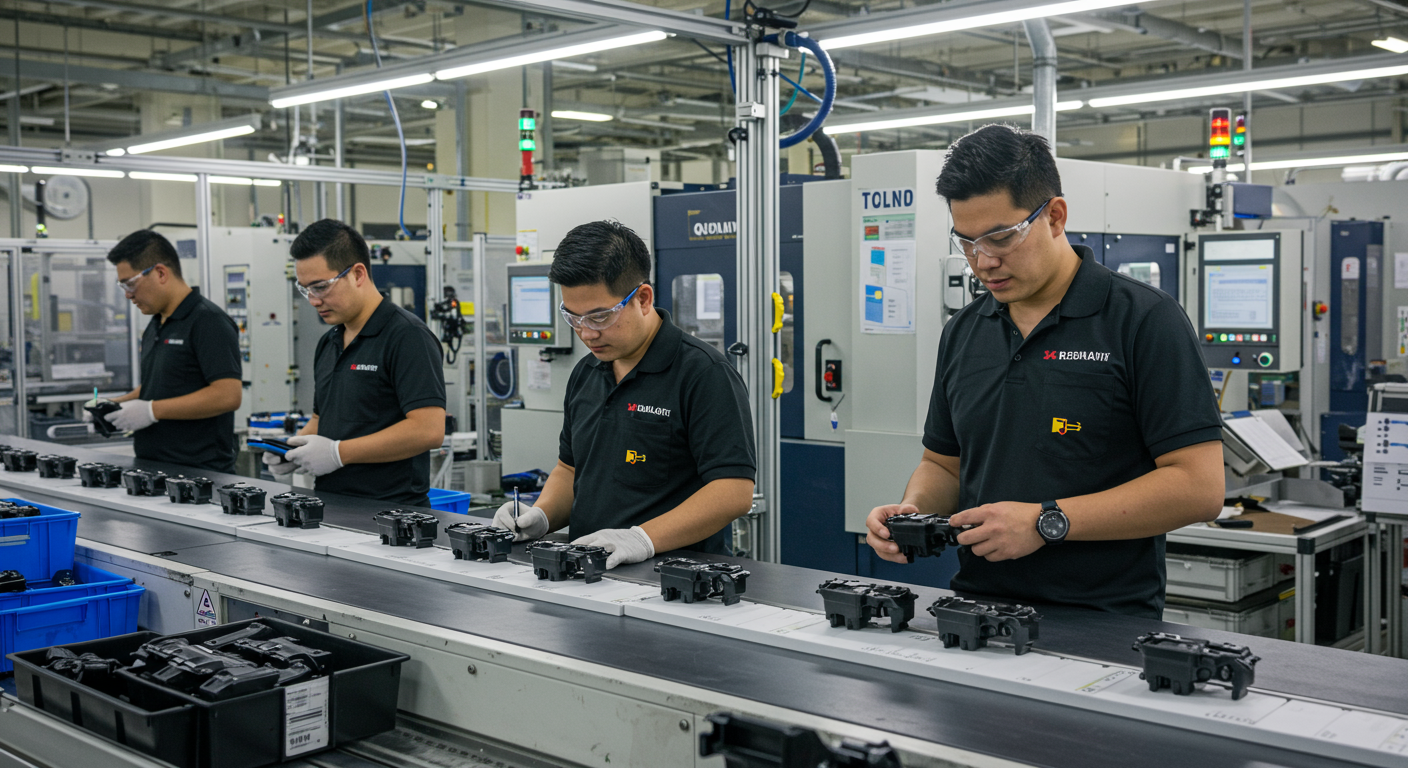
The record should follow the product, not the department chart
The best batch record is usable under pressure. If it takes days to reconstruct a lot history, the system is not ready for serious B2B buyers.
For contract manufacturers, the batch record is also a commercial asset because it proves discipline without exposing every confidential detail of the process.
What a strong batch file contains
- Identify product, batch, material lot and supplier lot at the right level.
- Keep process parameters and quality checks in the same review trail.
- Document deviations even when the batch is eventually accepted.
- Separate confidential know-how from buyer-facing release evidence.
- Test the system with a mock trace at least once a year.
What open standards teach about traceability
GS1 frames traceability as identify, capture and share. FDA and eCFR requirements show why records must be complete enough to support quality decisions. The FasonZon interpretation is that traceability should be designed before scale, because retrofitting lot logic after customer growth is expensive and risky.
A practical release workflow
- List the minimum batch data required by product family.
- Assign one release owner and one back-up reviewer.
- Create a deviation template with cause, decision and evidence fields.
- Keep supplier certificates linked to incoming material lots.
- Use traceability strength in buyer-facing service descriptions.
Turning records into a stronger offer
This topic can pull high-intent traffic because buyers who search for traceability are usually closer to vendor qualification than casual awareness.
After this preparation, state your scope, evidence, sample process, MOQ and quality records clearly in the supplier profile. Use TR2B contract manufacturing category for the relevant category, the TR2B overview guide for profile setup and TR2B service pages when service listing is the right next step.
Batch Records and Traceability: The Quality File Every Contract Manufacturer Needs: Supplier Decision Framework
Treat Batch Records and Traceability: The Quality File Every Contract Manufacturer Needs as a buyer-side decision aid. The article becomes stronger when A practical release workflow and What a strong batch file contains are converted into questions a supplier can answer with documents.
A common mistake is collecting company names without comparing scope, documentation, communication speed and risk. Keep the discussion practical by asking what would change the decision: a sample, a certificate scope, a pilot result or a written exception.
Supplier Signals Worth Checking
| Evidence | Signal | Decision Use |
|---|---|---|
| company and category fit | shortlist quality | Treat shortlist quality as the signal that separates a claim from usable proof. |
| export or market experience | sample-to-order readiness | Make export or market experience visible in the file so the next buyer can audit the decision. |
| certificates and test records | document completeness | If document completeness is weak, keep Batch Records and Traceability: The Quality File Every Contract Manufacturer Needs in clarification rather than approval. |
| RFQ response quality | supplier response time | Ask who owns RFQ response quality and how supplier response time will be checked. |
From Reading to Supplier Action
Use the page as a living note; update the supplier file when a new risk, document or market requirement appears.
- Batch Records and Traceability: The Quality File Every Contract Manufacturer Needs: Start with a narrow category, not a generic factory search.
- Batch Records and Traceability: The Quality File Every Contract Manufacturer Needs: Score every supplier against the same evidence list.
- Batch Records and Traceability: The Quality File Every Contract Manufacturer Needs: Keep the first RFQ structured and easy to answer.
Editorial quality checklist for Contract Manufacturing Guide
Batch Records and Traceability: The Quality File Every EN guide should be used as a working decision file, not only as a reading page. The practical check is whether a buyer can leave the article with a clear scope, required evidence, supplier questions, risk owner and next action for Contract Manufacturing Guide.
For stronger SEO and buyer usefulness, this page now connects the topic to proof, implementation and related sourcing paths. That reduces thin-content risk and helps the reader move from general research to a verifiable supplier or operating decision.
- Define the decision: write product or service scope, target market, expected volume, approval owner and the date of the next review.
- Ask for current evidence: request documents that match this exact product, service, batch, process or customer scenario.
- Compare complete answers: score response quality, missing data, correction speed and commercial assumptions before comparing price.
- Keep the first order controlled: connect sample approval, release criteria, logistics, payment terms and corrective action in one note.
| Review area | Quality question |
|---|---|
| Scope | Product, market, volume, owner and release rule are written before supplier comparison. |
| Evidence | Specification, sample, quality record, certificate, label or service proof is checked for date and relevance. |
| Decision | The buyer records what can be approved now, what is blocked and who owns the next correction. |
FAQ for this article
What should be checked first for Contract Manufacturing Guide?
Start with the decision file: scope, evidence, acceptance criteria, delivery assumptions and the person who can approve or stop the next step.
How does this article support supplier or partner selection?
It turns the topic into a checklist of records, questions and comparison rules, so the reader can separate a strong answer from a generic sales reply.
When should the reader move to a related guide?
Move to a related guide when the next risk is outside the current page, such as supplier discovery, contract manufacturing, food safety, logistics or company verification.
Useful cross-site next reads
Read Before Moving Forward
Related checks for Batch Records and Traceability: The Quality File Every Contract Manufacturer Needs: review these pages before supplier approval or production release.
- What is Contract Manufacturing? Complete Guide
- Contract Manufacturing: Advantages and Disadvantages
- Contract Manufacturing Processes: Step by Step Guide
- Quality Management in Contract Manufacturing
- Cost Calculation in Contract Manufacturing
- How to Prepare a Manufacturing Contract
- Choosing the Right Contract Manufacturing Partner
- What Is MES? Manufacturing Execution Systems for Contract Manufacturing
Sources and Further Reading
Source check for Batch Records and Traceability: The Quality File Every Contract Manufacturer Needs: official standards, regulator pages and sector references are listed below. Validate final legal, medical, food or export decisions against the current primary text.