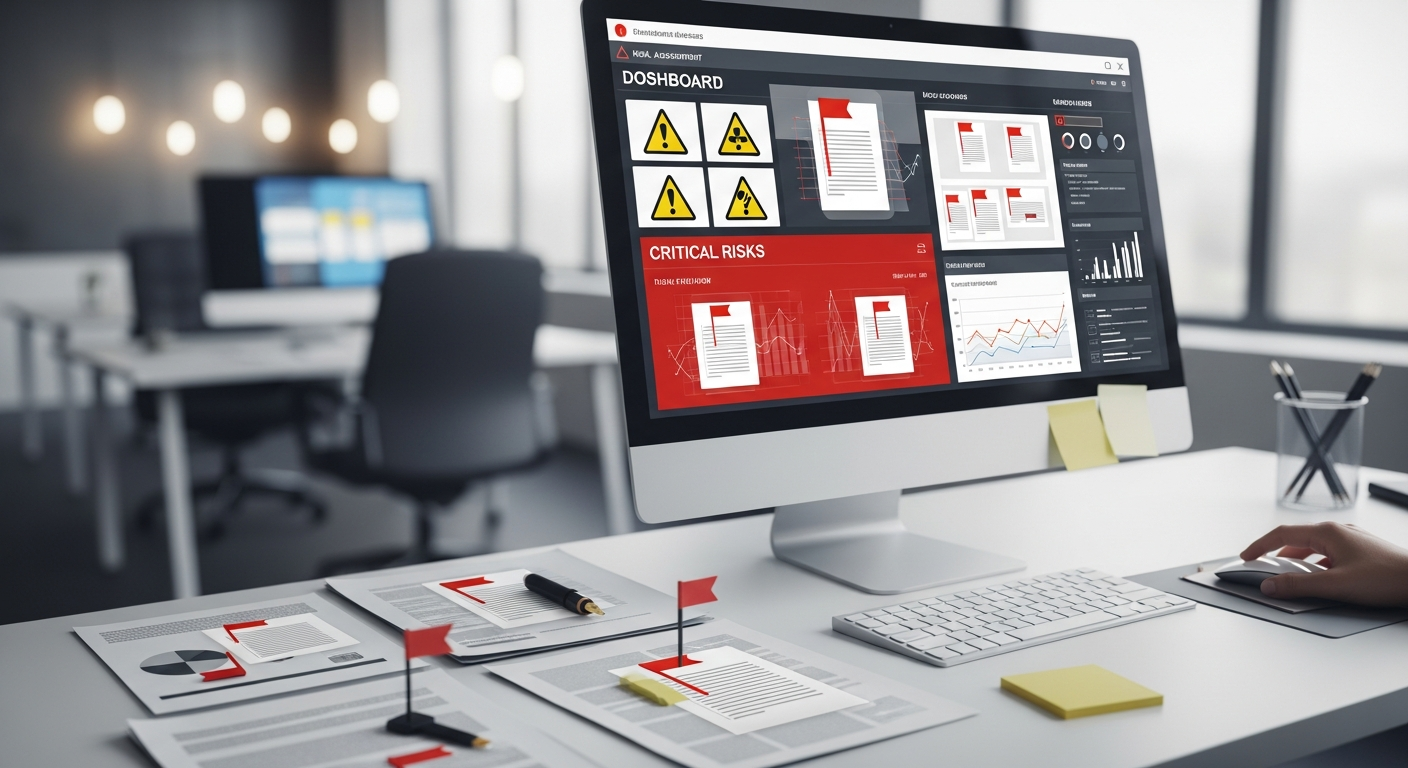
Most contract manufacturing disputes do not begin with bad intent. They begin with a contract that names the product but leaves the production reality outside the document.
A specification annex is the place where the commercial promise becomes operational: formula or drawing version, packaging, tolerances, inspection method, acceptance criteria, samples, labels, change rules and release documents.
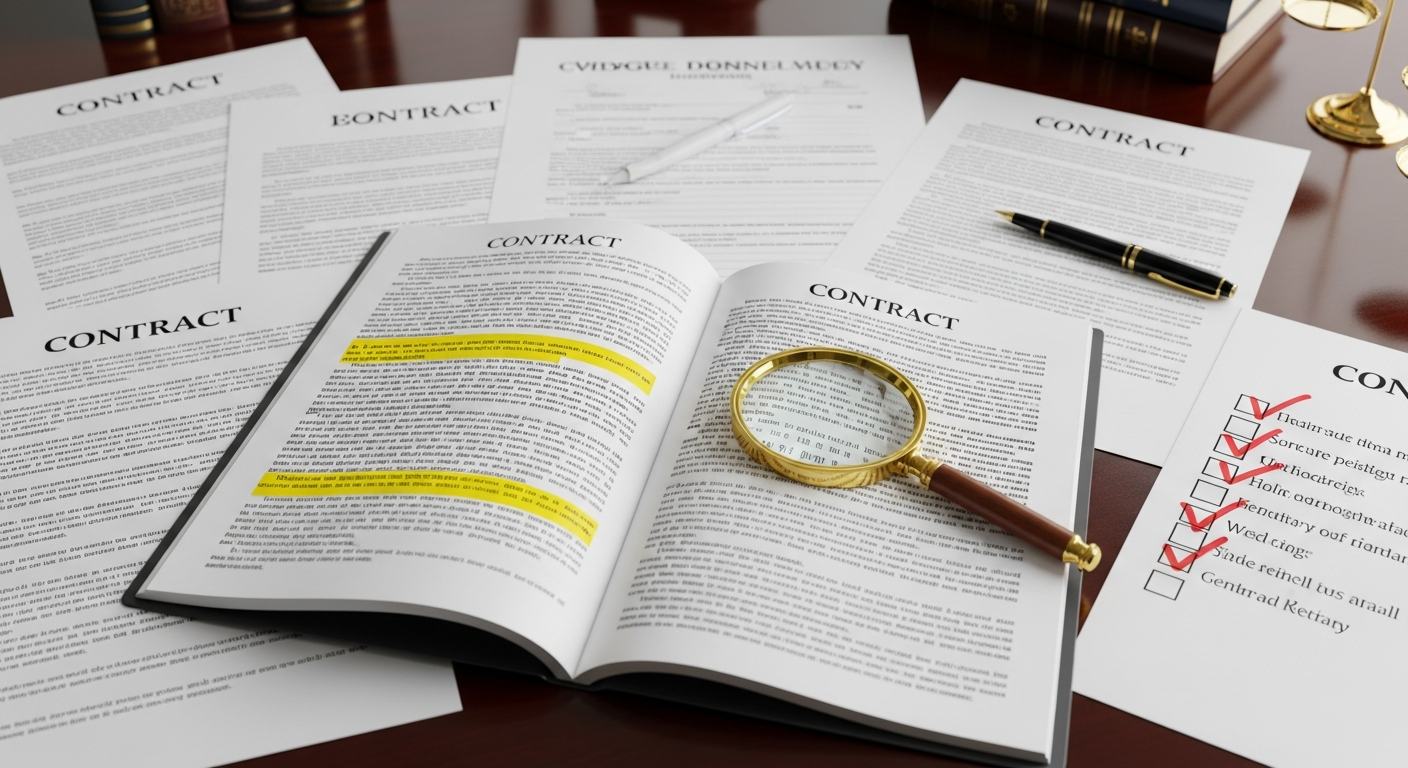
The annex is the contract s operating system
A specification annex should be drafted by operations and quality before it is polished by legal. Otherwise the document may look professional while leaving the factory without usable instructions.
When the annex is strong, the legal text does not need to guess what the production team meant.
What must be written before signature
- Name the controlled version of every drawing, formula, artwork or bill of material.
- Define acceptance criteria with test method, sampling logic and responsibility.
- Attach approved reference samples or describe how they are stored.
- State which documents are delivered with each lot.
- Add a rule for conflicts between the contract, purchase order and annex.
How source guidance changes the drafting mindset
ISO 9001 emphasizes documented quality requirements; GS1 shows why identification and traceability cannot be improvised later; WIPO and USPTO remind us that confidential information must be handled deliberately. The annex should therefore be precise without giving away more know-how than the production relationship requires.
A buyer-supplier review routine
- Hold a pre-signature annex review with quality, production, purchasing and sales.
- Mark open items instead of hiding them in vague words.
- Create a change log table directly in the annex.
- Require written approval for any material, process or packaging change.
- Use the same annex when comparing supplier quotes.
Using the annex to reduce quotation noise
A serious annex is not bureaucracy. It is how a brand buys repeatability and how a manufacturer protects itself from unclear expectations.
After this preparation, state your scope, evidence, sample process, MOQ and quality records clearly in the supplier profile. Use TR2B contract manufacturing category for the relevant category, the TR2B overview guide for profile setup and TR2B service pages when service listing is the right next step.
Specification Annex: Turning a Contract Manufacturing Scope into Enforceable Detail: Supplier Decision Framework
The commercial value of Specification Annex: Turning a Contract Manufacturing Scope into Enforceable Detail is not the definition itself. It is the way buyers, suppliers and operations teams can use A buyer-supplier review routine to screen suppliers before time is spent on samples or negotiation.
The easiest way to weaken the decision is reading definitions without translating them into evidence, owner, deadline and next action. Use the article to turn that weak point into a checklist item with an owner.
Evidence to Put in the File
| Evidence | Signal | Decision Use |
|---|---|---|
| written scope | supplier fit | Connect written scope to supplier fit before price becomes the main filter. |
| supplier evidence | risk closure | Ask who owns supplier evidence and how risk closure will be checked. |
| quality or compliance record | decision speed | If decision speed is weak, keep Specification Annex: Turning a Contract Manufacturing Scope into Enforceable Detail in clarification rather than approval. |
| commercial next step | document completeness | Make commercial next step visible in the file so the next buyer can audit the decision. |
How to Use This in Manufacturing Contracts
This is the point where content becomes operational: a better question, a clearer RFQ and a cleaner shortlist.
- Specification Annex: Turning a Contract Manufacturing Scope into Enforceable Detail: Write the requirement in buyer language.
- Specification Annex: Turning a Contract Manufacturing Scope into Enforceable Detail: Ask for evidence before comparing price.
- Specification Annex: Turning a Contract Manufacturing Scope into Enforceable Detail: Decide the next gate: sample, pilot, quote or stop.
Editorial quality checklist for Manufacturing Contracts
Specification Annex: Turning a Contract Manufacturing EN guide should be used as a working decision file, not only as a reading page. The practical check is whether a buyer can leave the article with a clear scope, required evidence, supplier questions, risk owner and next action for Manufacturing Contracts.
For stronger SEO and buyer usefulness, this page now connects the topic to proof, implementation and related sourcing paths. That reduces thin-content risk and helps the reader move from general research to a verifiable supplier or operating decision.
- Define the decision: write product or service scope, target market, expected volume, approval owner and the date of the next review.
- Ask for current evidence: request documents that match this exact product, service, batch, process or customer scenario.
- Compare complete answers: score response quality, missing data, correction speed and commercial assumptions before comparing price.
- Keep the first order controlled: connect sample approval, release criteria, logistics, payment terms and corrective action in one note.
| Review area | Quality question |
|---|---|
| Scope | Product, market, volume, owner and release rule are written before supplier comparison. |
| Evidence | Specification, sample, quality record, certificate, label or service proof is checked for date and relevance. |
| Decision | The buyer records what can be approved now, what is blocked and who owns the next correction. |
FAQ for this article
What should be checked first for Manufacturing Contracts?
Start with the decision file: scope, evidence, acceptance criteria, delivery assumptions and the person who can approve or stop the next step.
How does this article support supplier or partner selection?
It turns the topic into a checklist of records, questions and comparison rules, so the reader can separate a strong answer from a generic sales reply.
When should the reader move to a related guide?
Move to a related guide when the next risk is outside the current page, such as supplier discovery, contract manufacturing, food safety, logistics or company verification.
Useful cross-site next reads
Read Before Signing
Related checks for Specification Annex: Turning a Contract Manufacturing Scope into Enforceable Detail: review these pages before supplier approval or production release.
- How to Prepare a Manufacturing Contract
- The Importance of Manufacturing Contracts
- Legal Issues and Solutions in Contract Manufacturing
- Contract Manufacturing Processes: Step by Step Guide
- Choosing the Right Contract Manufacturing Partner
- Quality Management in Contract Manufacturing
- Cost Calculation in Contract Manufacturing
- What is Contract Manufacturing? Complete Guide
Sources and Further Reading
Source check for Specification Annex: Turning a Contract Manufacturing Scope into Enforceable Detail: official standards, regulator pages and sector references are listed below. Validate final legal, medical, food or export decisions against the current primary text.