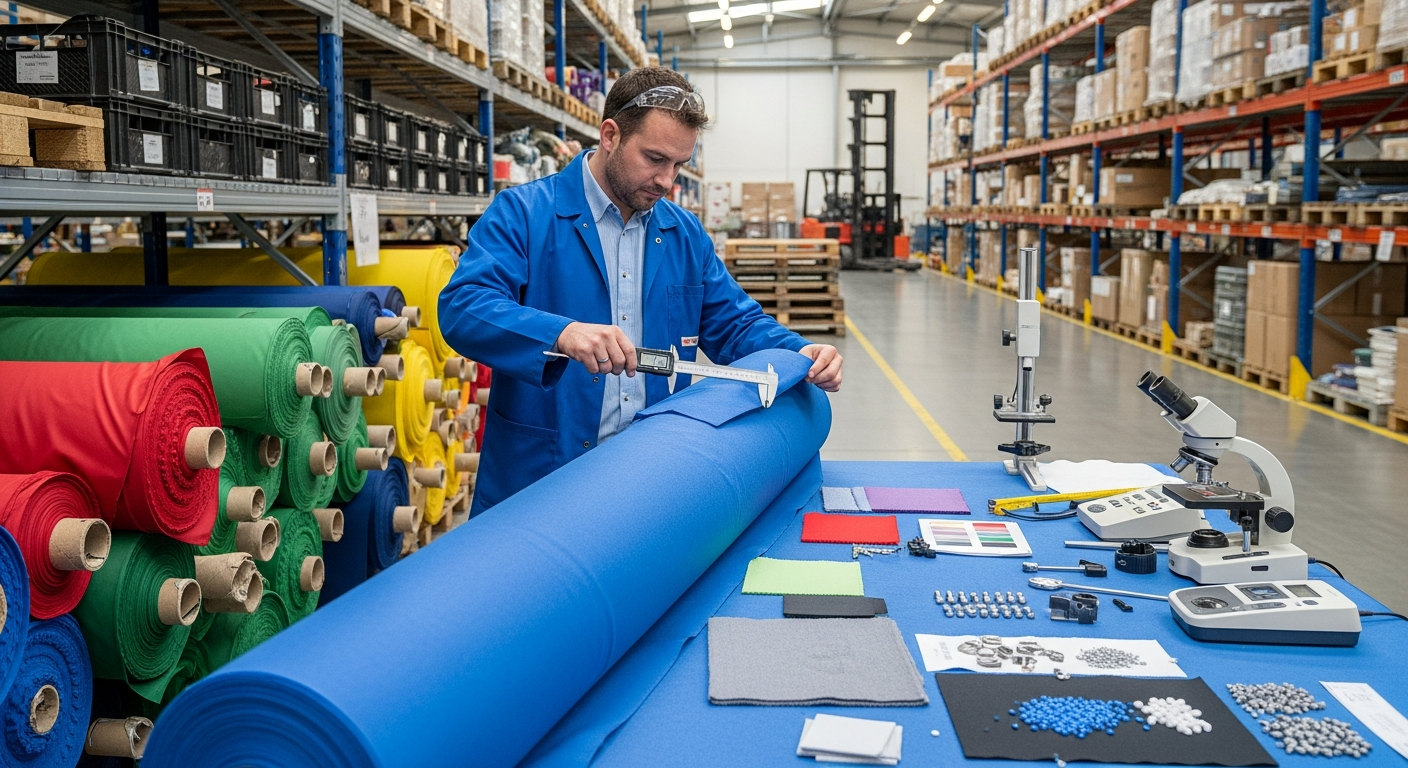
Fabric selection is one of the most impactful decisions in textile product development. The fabric defines your product's quality, feel, durability, and cost. Understanding how to select and source the right fabric for contract manufacturing is essential.
Key Fabric Properties to Evaluate
- Fiber Content: Cotton, polyester, wool, linen, silk, or blends
- Weight (GSM): Grams per square meter determines thickness and drape
- Weave/Knit Structure: Plain, twill, satin, jersey, interlock, etc.
- Shrinkage Rate: Pre-wash shrinkage must be within acceptable tolerances
- Color Fastness: Resistance to washing, rubbing, light, and sweat
- Pilling Resistance: Important for knitwear and fleece
- Tensile Strength: Load capacity before tearing
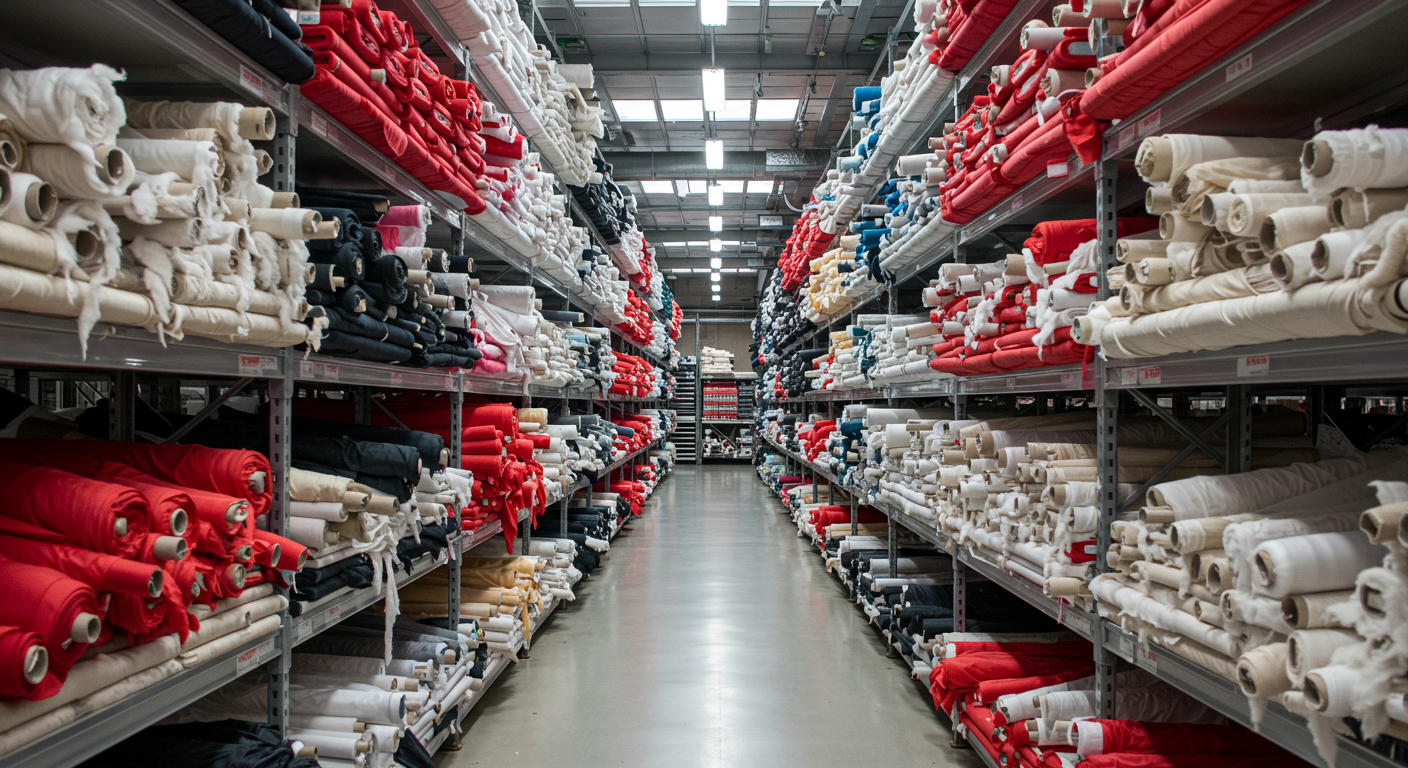
Fabric Sourcing Models
CMT (Cut-Make-Trim) - You Supply the Fabric
You purchase and send fabric to the manufacturer. Gives maximum control over fabric quality and source, but requires more capital and logistics management.
Full Package (FPP) - Manufacturer Sources Fabric
The manufacturer sources all materials. Easier for you, but requires trust in the manufacturer's sourcing capabilities and regular quality checks.
Sustainable Fabric Sourcing
Sustainability is increasingly important to consumers and retailers. Consider:
- GOTS-certified organic cotton
- Recycled polyester (rPET) from plastic bottles
- Tencel/Lyocell from sustainably managed forests (FSC certified)
- Deadstock and surplus fabric programs
- Bluesign certified fabrics (reduced environmental impact in dyeing)
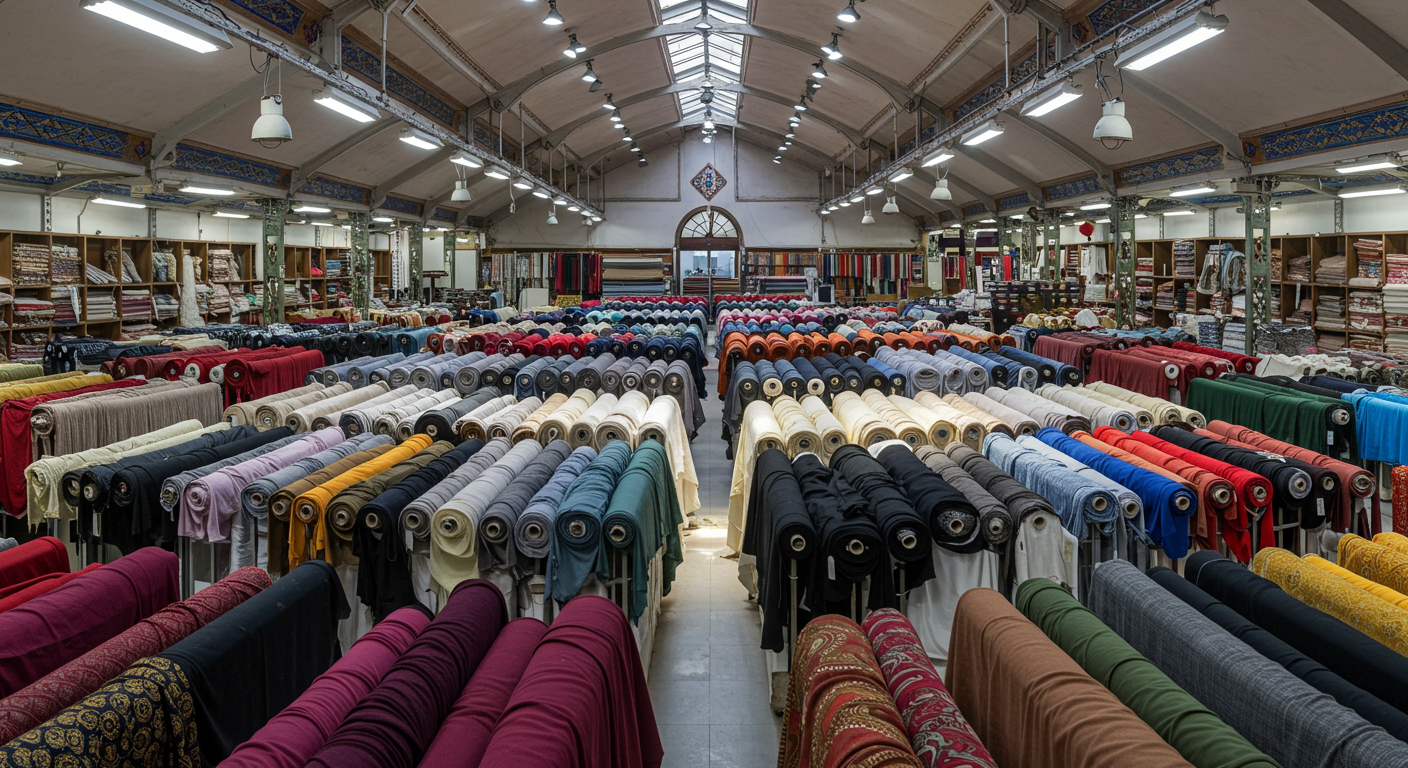
Fabric Testing Requirements
- Request lab test reports (Oeko-Tex Standard 100 for safety)
- Test shrinkage before pattern making
- Evaluate color consistency across fabric rolls
- Conduct wear testing for garments in use
For more about textile manufacturing, see Textile Manufacturing Guide and Sustainability in Textile Manufacturing.
Fabric Selection and Sourcing for Contract Manufacturing: Supplier Decision Framework
Fabric Selection and Sourcing for Contract Manufacturing is most valuable when it changes the next supplier message. The buyer should leave with a sharper request around Fabric Testing Requirements, while the supplier should know which proof has to be prepared.
The easiest way to weaken the decision is treating fabric choice, labeling and final inspection as separate topics instead of one release system. Use the article to turn that weak point into a checklist item with an owner.
Evidence to Put in the File
| Evidence | Signal | Decision Use |
|---|---|---|
| fabric composition and care-label basis | fabric shrinkage tolerance | Use this line to turn fabric, selection, sourcing from a keyword into a procurement control. |
| AQL or inspection plan | sample revision count | Score AQL or inspection plan against the same rule across every supplier reply. |
| restricted-substance test scope | defect rate by operation | Treat defect rate by operation as the signal that separates a claim from usable proof. |
| sample and size-set approval record | shipment inspection result | Make sample and size-set approval record visible in the file so the next buyer can audit the decision. |
How to Use This in Textile Contract Manufacturing
The page earns its place when it turns broad research into one visible sourcing action.
- Fabric Selection and Sourcing for Contract Manufacturing: Confirm material identity before sampling.
- Fabric Selection and Sourcing for Contract Manufacturing: Tie inspection checkpoints to the buyer specification.
- Fabric Selection and Sourcing for Contract Manufacturing: Keep test reports and care-label logic in the same supplier file.
Fabric Selection and Sourcing for Contract Manufacturing: Evidence Map
Fabric Selection and Sourcing for Contract Manufacturing becomes useful when every claim is tied to a record. In Textile Contract Manufacturing, price discussion should follow evidence, not replace it.
Use Fabric Sourcing Models as the first evidence checkpoint. If the supplier cannot show a sample, certificate scope, test report, process record or written assumption, the project needs one more clarification round.
| Control | How to use it |
|---|---|
| Scope | Define what Fabric Selection and Sourcing for Contract Manufacturing includes and excludes before supplier contact. |
| Proof | Ask which document, sample or record supports Fabric Sourcing Models. |
| Timing | Separate first reply, sample review, pilot order and volume approval for Fabric Selection and Sourcing for Contract Manufacturing. |
| Owner | Assign one person to collect missing data and update the Fabric Selection and Sourcing for Contract Manufacturing file. |
Fabric Selection and Sourcing for Contract Manufacturing: final check
- Write the buyer or supplier objective for Fabric Selection and Sourcing for Contract Manufacturing in one paragraph.
- List the documents that would make Fabric Sourcing Models verifiable.
- Compare price only after scope, evidence and timing are written.
- Keep the next action concrete: request data, approve sample, run pilot or stop.
Editorial quality checklist for Textile Contract Manufacturing
Fabric Selection and Sourcing for Contract Manufacturing EN guide should be used as a working decision file, not only as a reading page. The practical check is whether a buyer can leave the article with a clear scope, required evidence, supplier questions, risk owner and next action for Textile Contract Manufacturing.
For stronger SEO and buyer usefulness, this page now connects the topic to proof, implementation and related sourcing paths. That reduces thin-content risk and helps the reader move from general research to a verifiable supplier or operating decision.
- Define the decision: write product or service scope, target market, expected volume, approval owner and the date of the next review.
- Ask for current evidence: request documents that match this exact product, service, batch, process or customer scenario.
- Compare complete answers: score response quality, missing data, correction speed and commercial assumptions before comparing price.
- Keep the first order controlled: connect sample approval, release criteria, logistics, payment terms and corrective action in one note.
| Review area | Quality question |
|---|---|
| Scope | Product, market, volume, owner and release rule are written before supplier comparison. |
| Evidence | Specification, sample, quality record, certificate, label or service proof is checked for date and relevance. |
| Decision | The buyer records what can be approved now, what is blocked and who owns the next correction. |
FAQ for this article
What should be checked first for Textile Contract Manufacturing?
Start with the decision file: scope, evidence, acceptance criteria, delivery assumptions and the person who can approve or stop the next step.
How does this article support supplier or partner selection?
It turns the topic into a checklist of records, questions and comparison rules, so the reader can separate a strong answer from a generic sales reply.
When should the reader move to a related guide?
Move to a related guide when the next risk is outside the current page, such as supplier discovery, contract manufacturing, food safety, logistics or company verification.
Useful cross-site next reads
Read Before Moving Forward
Related checks for Fabric Selection and Sourcing for Contract Manufacturing: review these pages before supplier approval or production release.
- Textile Contract Manufacturing Guide
- Garment Contract Manufacturing: CMT, MOQ and Quality Control
- Quality Control in Textile Manufacturing: AQL and Inspection Guide
- How to Prepare a Manufacturing Contract
- Choosing the Right Contract Manufacturing Partner
- What is Contract Manufacturing? Complete Guide
- Contract Manufacturing: Advantages and Disadvantages
- Contract Manufacturing Processes: Step by Step Guide
Sources and Further Reading
Source check for Fabric Selection and Sourcing for Contract Manufacturing: official standards, regulator pages and sector references are listed below. Validate final legal, medical, food or export decisions against the current primary text.