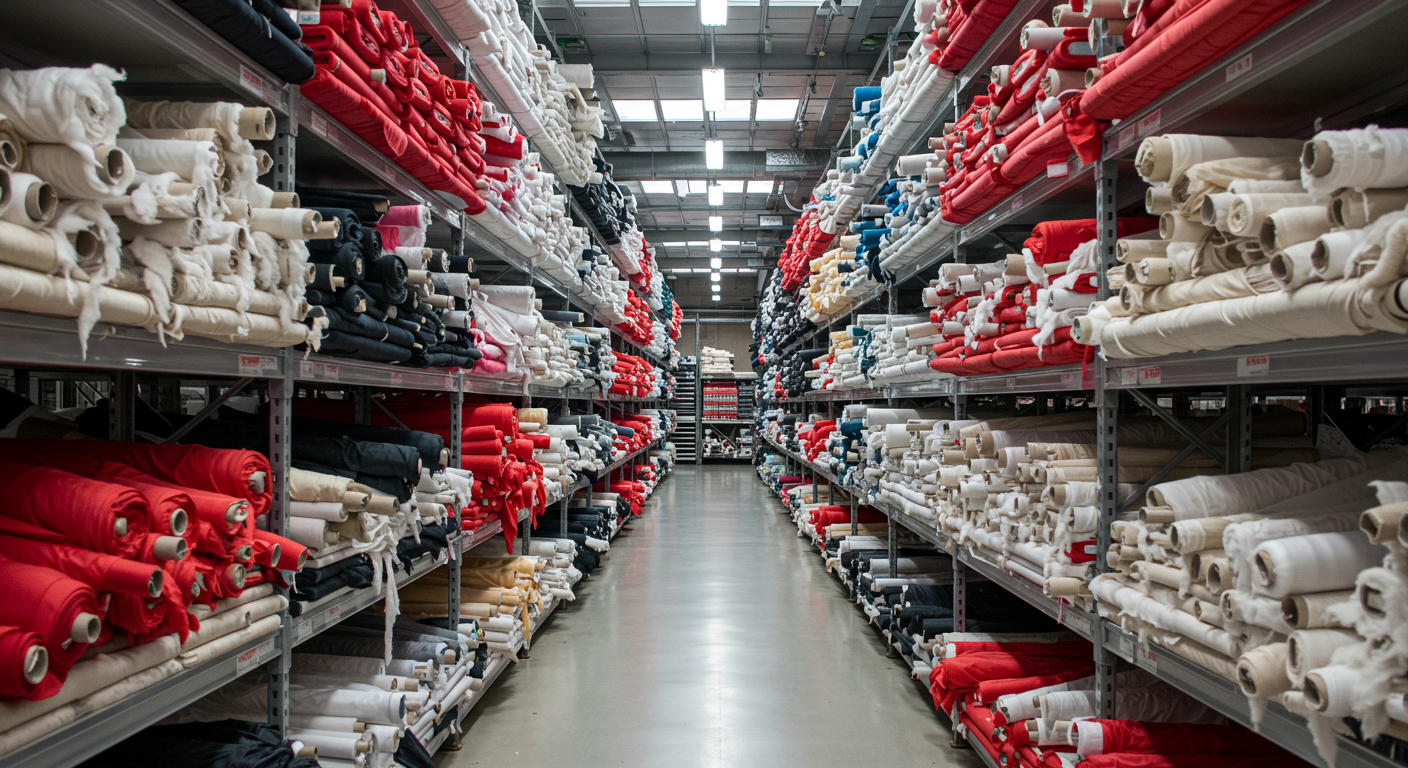
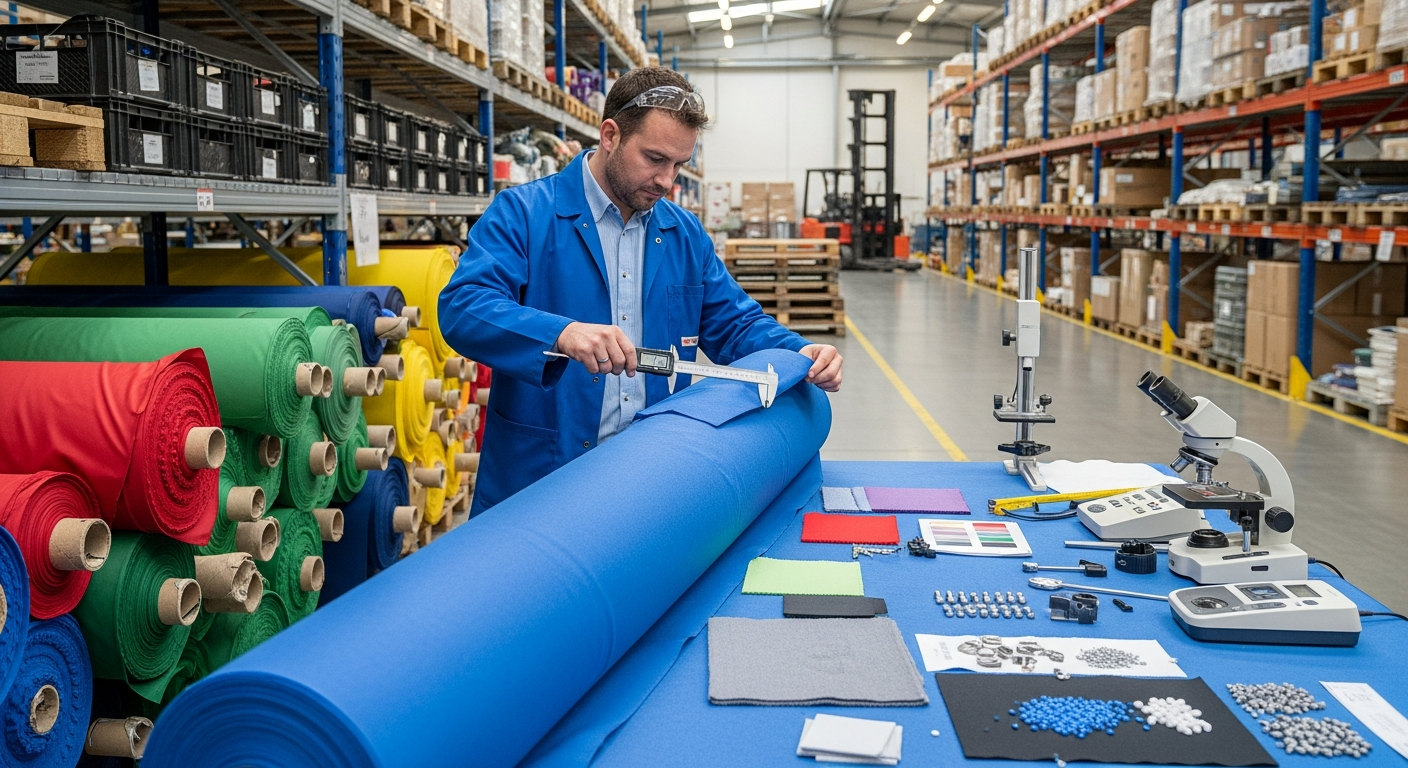
The textile industry is one of the world's largest polluters, responsible for approximately 10% of global carbon emissions. As consumer awareness grows and regulations tighten, sustainability in contract manufacturing has shifted from a nice-to-have to a business imperative.
Why Sustainability Matters in Textiles
- Growing consumer demand for ethical and eco-friendly products
- EU sustainability regulations (CSRD, Green Deal) affecting supply chains
- Major retailers (H&M, Zara, Marks & Spencer) setting supplier sustainability requirements
- Carbon reporting and Scope 3 emissions accounting
- Brand risk from negative media coverage of environmental issues

Key Sustainability Certifications
GOTS (Global Organic Textile Standard)
The world's leading organic textile standard. Covers fiber sourcing, processing, manufacturing, trading, and labeling. Requires ≥70% certified organic fibers.
Bluesign
Focuses on responsible use of resources in the dyeing and finishing process. Reduces water, energy, and chemical use.
Fair Trade Certified
Ensures fair wages and safe working conditions throughout the supply chain.
Recycled Content Standard (RCS) / Global Recycled Standard (GRS)
Certifies the presence and chain of custody of recycled materials in products.
Practical Steps for Brands
- Map your supply chain to identify environmental and social hotspots
- Set measurable sustainability targets (water reduction, carbon footprint, waste)
- Require suppliers to have or work toward relevant certifications
- Conduct regular social audits (SMETA, WRAP)
- Communicate sustainability progress transparently to customers
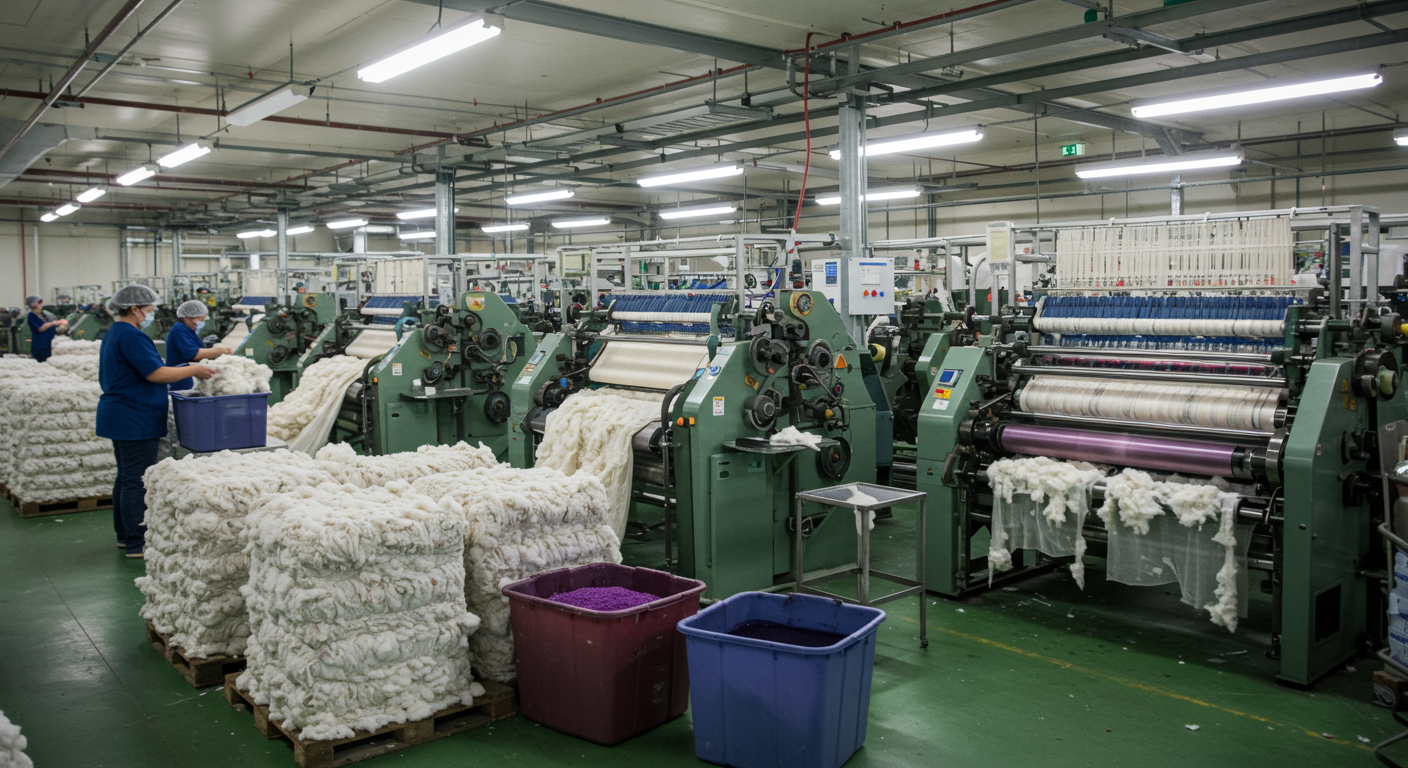
For fabric sourcing, see Fabric Selection and Sourcing. For general manufacturing processes, see Manufacturing Processes.
Sustainability in Textile Contract Manufacturing: Supplier Decision Framework
Use Sustainability in Textile Contract Manufacturing as a short operating brief for Textile Contract Manufacturing. The useful output is a cleaner decision around GOTS (Global Organic Textile Standard), with fewer assumptions hidden inside price comparison.
The risk to watch is treating fabric choice, labeling and final inspection as separate topics instead of one release system. Put that risk into the RFQ so every supplier responds against the same evidence standard.
Questions That Separate Proof from Claims
- fabric composition and care-label basis: If fabric shrinkage tolerance is weak, keep Sustainability in Textile Contract Manufacturing in clarification rather than approval.
- AQL or inspection plan: Ask who owns AQL or inspection plan and how shipment inspection result will be checked.
- restricted-substance test scope: Connect restricted-substance test scope to defect rate by operation before price becomes the main filter.
- sample and size-set approval record: Use sample revision count to decide whether Sustainability in Textile Contract Manufacturing is ready for supplier comparison.
Next Gate Before Supplier Approval
If the evidence is thin, slow the project down. If the evidence is clear, move to the next gate with fewer surprises.
- Use GOTS (Global Organic Textile Standard) to test this action: Confirm material identity before sampling.
- Use GOTS (Global Organic Textile Standard) to test this action: Tie inspection checkpoints to the buyer specification.
- Use GOTS (Global Organic Textile Standard) to test this action: Keep test reports and care-label logic in the same supplier file.
Sustainability in Textile Contract Manufacturing: Evidence Map
Sustainability in Textile Contract Manufacturing becomes useful when every claim is tied to a record. In Textile Contract Manufacturing, price discussion should follow evidence, not replace it.
Use Fair Trade Certified as the first evidence checkpoint. If the supplier cannot show a sample, certificate scope, test report, process record or written assumption, the project needs one more clarification round.
| Control | How to use it |
|---|---|
| Scope | Define what Sustainability in Textile Contract Manufacturing includes and excludes before supplier contact. |
| Proof | Ask which document, sample or record supports Fair Trade Certified. |
| Timing | Separate first reply, sample review, pilot order and volume approval for Sustainability in Textile Contract Manufacturing. |
| Owner | Assign one person to collect missing data and update the Sustainability in Textile Contract Manufacturing file. |
Sustainability in Textile Contract Manufacturing: final check
- Write the buyer or supplier objective for Sustainability in Textile Contract Manufacturing in one paragraph.
- List the documents that would make Fair Trade Certified verifiable.
- Compare price only after scope, evidence and timing are written.
- Keep the next action concrete: request data, approve sample, run pilot or stop.
Editorial quality checklist for Textile Contract Manufacturing
Sustainability in Textile Contract Manufacturing EN guide should be used as a working decision file, not only as a reading page. The practical check is whether a buyer can leave the article with a clear scope, required evidence, supplier questions, risk owner and next action for Textile Contract Manufacturing.
For stronger SEO and buyer usefulness, this page now connects the topic to proof, implementation and related sourcing paths. That reduces thin-content risk and helps the reader move from general research to a verifiable supplier or operating decision.
- Define the decision: write product or service scope, target market, expected volume, approval owner and the date of the next review.
- Ask for current evidence: request documents that match this exact product, service, batch, process or customer scenario.
- Compare complete answers: score response quality, missing data, correction speed and commercial assumptions before comparing price.
- Keep the first order controlled: connect sample approval, release criteria, logistics, payment terms and corrective action in one note.
| Review area | Quality question |
|---|---|
| Scope | Product, market, volume, owner and release rule are written before supplier comparison. |
| Evidence | Specification, sample, quality record, certificate, label or service proof is checked for date and relevance. |
| Decision | The buyer records what can be approved now, what is blocked and who owns the next correction. |
FAQ for this article
What should be checked first for Textile Contract Manufacturing?
Start with the decision file: scope, evidence, acceptance criteria, delivery assumptions and the person who can approve or stop the next step.
How does this article support supplier or partner selection?
It turns the topic into a checklist of records, questions and comparison rules, so the reader can separate a strong answer from a generic sales reply.
When should the reader move to a related guide?
Move to a related guide when the next risk is outside the current page, such as supplier discovery, contract manufacturing, food safety, logistics or company verification.
Useful cross-site next reads
Read Before Moving Forward
Related checks for Sustainability in Textile Contract Manufacturing: review these pages before supplier approval or production release.
- Textile Contract Manufacturing Guide
- Garment Contract Manufacturing: CMT, MOQ and Quality Control
- Quality Control in Textile Manufacturing: AQL and Inspection Guide
- Fabric Selection and Sourcing for Contract Manufacturing
- How to Prepare a Manufacturing Contract
- Choosing the Right Contract Manufacturing Partner
- What is Contract Manufacturing? Complete Guide
- Contract Manufacturing: Advantages and Disadvantages
Sources and Further Reading
Source check for Sustainability in Textile Contract Manufacturing: official standards, regulator pages and sector references are listed below. Validate final legal, medical, food or export decisions against the current primary text.