Gummies look simple to consumers and complicated to manufacturers. Texture, water activity, active stability, flavor, color, coating, packaging and regulatory claims all pull on one another.
The pectin-versus-gelatin decision is not only a preference question. It affects process window, vegan positioning, heat sensitivity, texture, cost and shelf-life behavior.
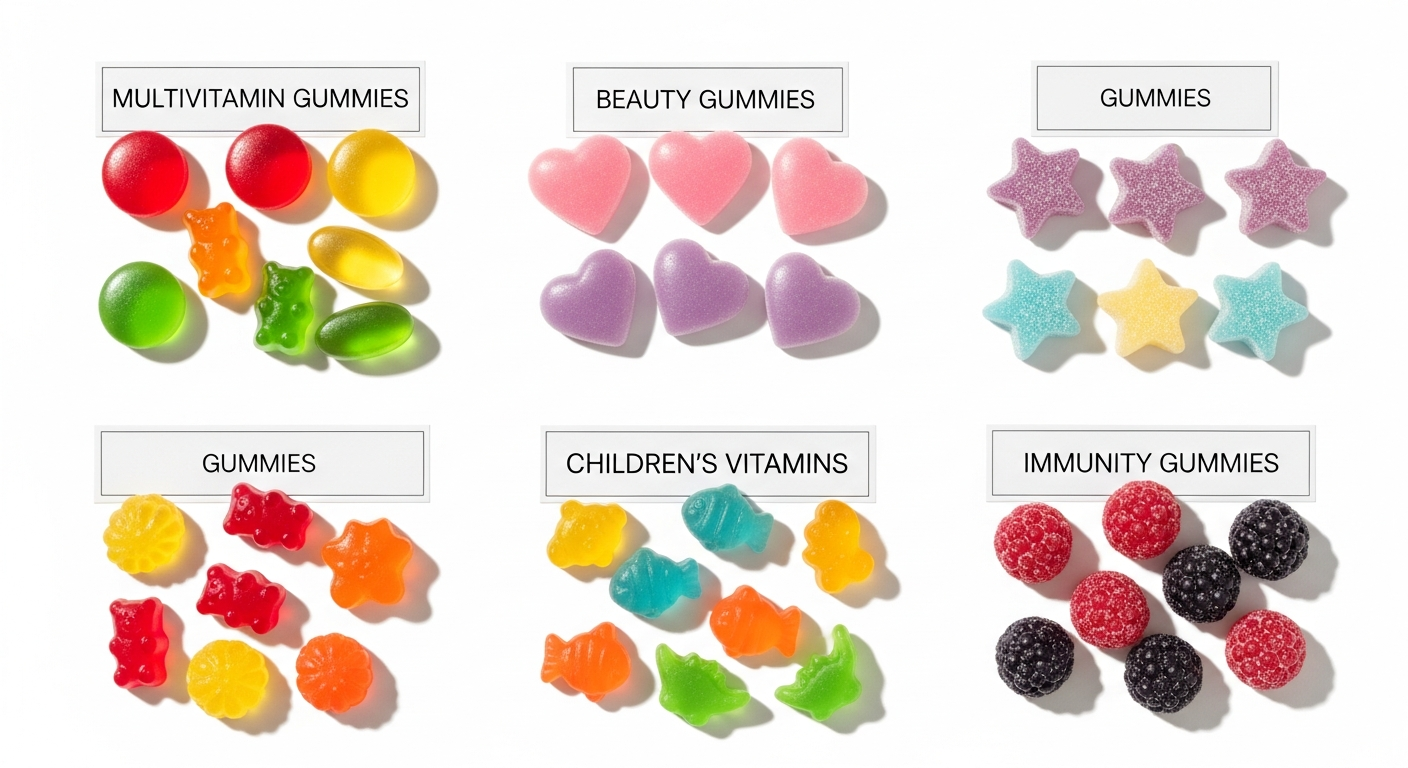
A gummy is a delivery system, not only candy
The buyer should ask whether the manufacturer has experience with the active ingredient, not only the gummy base.
A supplement gummy supplier should be able to explain how active overage is justified, measured and controlled.
Formulation choices that change manufacturing risk
- Clarify pectin, gelatin or hybrid base before costing.
- Check heat and moisture sensitivity of actives.
- Define target active level at end of shelf life.
- Review packaging barrier and storage condition.
- Keep claims aligned with target-market supplement rules.
Regulatory sources and active control
FDA, eCFR and EU supplement sources all point to a careful boundary: a supplement is not allowed to become a casual promise machine. Stability, dose, label and claim discipline are central. That makes gummy manufacturing a strong content topic for qualified supplier traffic.
Questions to ask before sampling
For gummies, the buyer brief should be technical before it is commercial. The manufacturer needs the active target per serving, target market, desired claim language, gelatin or pectin preference, flavor direction, sugar or sweetener strategy, target pack, expected shelf life and storage condition before a serious quote can be trusted.
| Decision point | Why it matters | What to define before sampling |
|---|---|---|
| Pectin or gelatin | Changes texture, setting behavior, vegan positioning, heat window and cost. | Base type, texture target, dietary positioning and process tolerance. |
| pH, Brix and aw | Controls gel structure, microbial stability, stickiness, drying and shelf-life behavior. | Target pH range, soluble solids, water activity and moisture limit. |
| Active overage | Protects the label claim at end of shelf life, but must be justified and tested. | Release target, end-of-shelf-life target, analytical method and overage rationale. |
| Heat-sensitive actives | Vitamins, probiotics, botanicals and flavors may degrade if added at the wrong step. | Addition point, maximum exposure temperature, mixing time and hold time. |
| Ingredient compatibility | Minerals, acids, colors, flavors and botanicals can affect taste, texture or stability. | Incompatibility review, masking strategy and pilot stability plan. |
| Packaging barrier | Moisture and oxygen can change texture and active content after release. | HDPE bottle, alu blister, stick pack, flowpack or pouch logic with desiccant needs. |
A weak gummy project asks for a price before defining the dose and shelf-life target. A strong project asks how the supplier will protect the active through cooking, depositing, drying, coating, packing and storage. That is where a real supplement gummy manufacturer separates itself from a generic candy producer.
- Prepare a formula brief with active target, serving size and market.
- Ask for stability approach before choosing final flavor.
- Request packaging recommendations from the manufacturer.
- Define pilot batch and analytical test plan.
- Link TR2B gummy service pages where buyers can act.
How gummy suppliers should list services
Gummy content should be specific enough to filter serious manufacturers from generic candy producers.
After this preparation, state your scope, evidence, sample process, MOQ and quality records clearly in the supplier profile. Use TR2B contract manufacturing category for the relevant category, the TR2B overview guide for profile setup and TR2B service pages when service listing is the right next step.
Gummies Manufacturing: Pectin, Gelatin, Stability and Active Overage: Supplier Decision Framework
For Dietary Supplement Manufacturing, Gummies Manufacturing: Pectin, Gelatin, Stability and Active Overage should reduce ambiguity before the first quote. That means turning A gummy is a delivery system, not only candy into written scope, evidence and a clear stop-go rule.
When teams rush, they often fall into accepting a quotation before the regulatory, stability and test-report responsibilities are written down. The fix is simple: separate fact, assumption and open question before the quote is scored.
Documents Behind the Next Gate
- ingredient and specification file: If sample approval time is weak, keep Gummies Manufacturing: Pectin, Gelatin, Stability and Active Overage in clarification rather than approval.
- label or claim review: Make label or claim review visible in the file so the next buyer can audit the decision.
- shelf-life or stability rationale: Treat test-report turnaround as the signal that separates a claim from usable proof.
- batch and traceability record: Score batch and traceability record against the same rule across every supplier reply.
Next Gate Before Supplier Approval
For Dietary Supplement Manufacturing, this keeps the page useful for searchers who are already close to a supplier decision.
- First: Ask for the exact product form and target market.
- Then: Request certificate scope and recent test evidence.
- Before approval: Define sample, pilot and release criteria before price comparison.
Editorial quality checklist for Dietary Supplement Manufacturing
Gummies Manufacturing: Pectin, Gelatin, Stability and EN guide should be used as a working decision file, not only as a reading page. The practical check is whether a buyer can leave the article with a clear scope, required evidence, supplier questions, risk owner and next action for Dietary Supplement Manufacturing.
For stronger SEO and buyer usefulness, this page now connects the topic to proof, implementation and related sourcing paths. That reduces thin-content risk and helps the reader move from general research to a verifiable supplier or operating decision.
- Define the decision: write product or service scope, target market, expected volume, approval owner and the date of the next review.
- Ask for current evidence: request documents that match this exact product, service, batch, process or customer scenario.
- Compare complete answers: score response quality, missing data, correction speed and commercial assumptions before comparing price.
- Keep the first order controlled: connect sample approval, release criteria, logistics, payment terms and corrective action in one note.
| Review area | Quality question |
|---|---|
| Scope | Product, market, volume, owner and release rule are written before supplier comparison. |
| Evidence | Specification, sample, quality record, certificate, label or service proof is checked for date and relevance. |
| Decision | The buyer records what can be approved now, what is blocked and who owns the next correction. |
FAQ for this article
What should be checked first for Dietary Supplement Manufacturing?
Start with the decision file: scope, evidence, acceptance criteria, delivery assumptions and the person who can approve or stop the next step.
How does this article support supplier or partner selection?
It turns the topic into a checklist of records, questions and comparison rules, so the reader can separate a strong answer from a generic sales reply.
When should the reader move to a related guide?
Move to a related guide when the next risk is outside the current page, such as supplier discovery, contract manufacturing, food safety, logistics or company verification.
Useful cross-site next reads
Guides That Complete the Supplement Decision
Related checks for Gummies Manufacturing: Pectin, Gelatin, Stability and Active Overage: review these pages before supplier approval or production release.
- Vitamin Gummy Market and Manufacturing Opportunities
- Dietary Supplement Contract Manufacturing Guide
- Dietary Supplement Regulations and Licensing
- Quality Management in Contract Manufacturing
- How to Prepare a Manufacturing Contract
- What is Contract Manufacturing? Complete Guide
- Contract Manufacturing: Advantages and Disadvantages
- Contract Manufacturing Processes: Step by Step Guide
Sources and Further Reading
Source check for Gummies Manufacturing: Pectin, Gelatin, Stability and Active Overage: official standards, regulator pages and sector references are listed below. Validate final legal, medical, food or export decisions against the current primary text.