Fabric selection is one of the most impactful decisions in textile product development. The fabric defines your product's quality, feel, durability, and cost. Understanding how to select and source the right fabric for contract manufacturing is essential.
Key Fabric Properties to Evaluate
- Fiber Content: Cotton, polyester, wool, linen, silk, or blends
- Weight (GSM): Grams per square meter determines thickness and drape
- Weave/Knit Structure: Plain, twill, satin, jersey, interlock, etc.
- Shrinkage Rate: Pre-wash shrinkage must be within acceptable tolerances
- Color Fastness: Resistance to washing, rubbing, light, and sweat
- Pilling Resistance: Important for knitwear and fleece
- Tensile Strength: Load capacity before tearing
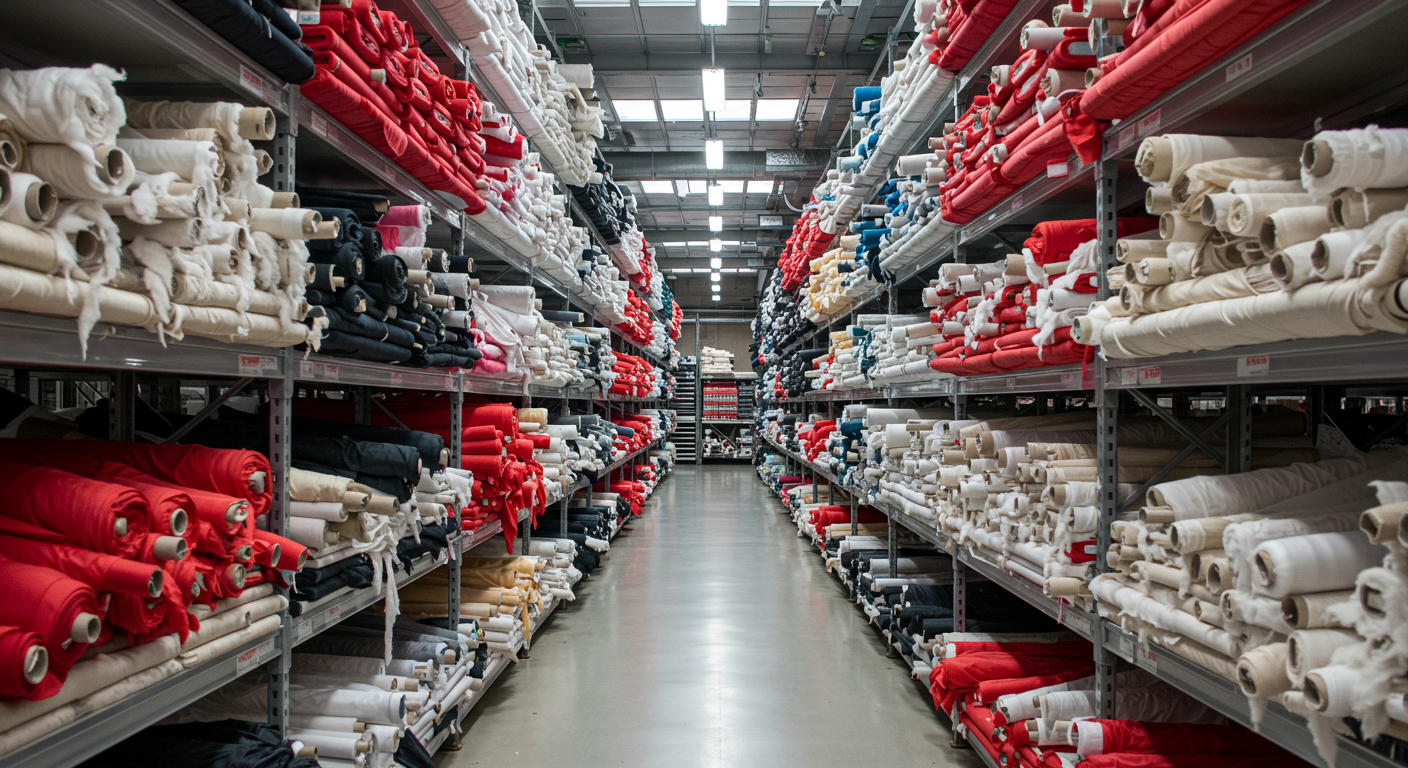
Fabric Sourcing Models
CMT (Cut-Make-Trim) - You Supply the Fabric
You purchase and send fabric to the manufacturer. Gives maximum control over fabric quality and source, but requires more capital and logistics management.
Full Package (FPP) - Manufacturer Sources Fabric
The manufacturer sources all materials. Easier for you, but requires trust in the manufacturer's sourcing capabilities and regular quality checks.
Sustainable Fabric Sourcing
Sustainability is increasingly important to consumers and retailers. Consider:
- GOTS-certified organic cotton
- Recycled polyester (rPET) from plastic bottles
- Tencel/Lyocell from sustainably managed forests (FSC certified)
- Deadstock and surplus fabric programs
- Bluesign certified fabrics (reduced environmental impact in dyeing)
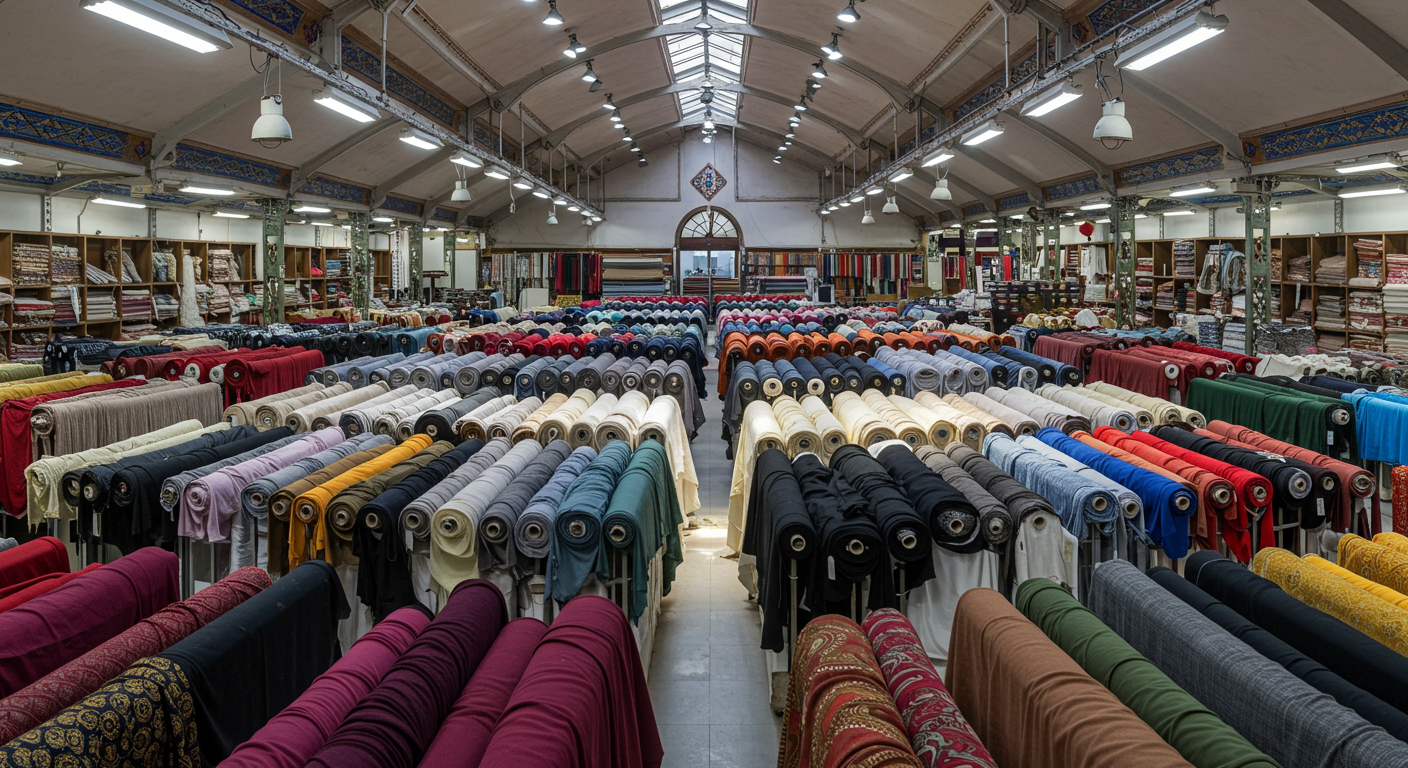
Fabric Testing Requirements
- Request lab test reports (Oeko-Tex Standard 100 for safety)
- Test shrinkage before pattern making
- Evaluate color consistency across fabric rolls
- Conduct wear testing for garments in use
For more about textile manufacturing, see Textile Manufacturing Guide and Sustainability in Textile Manufacturing.