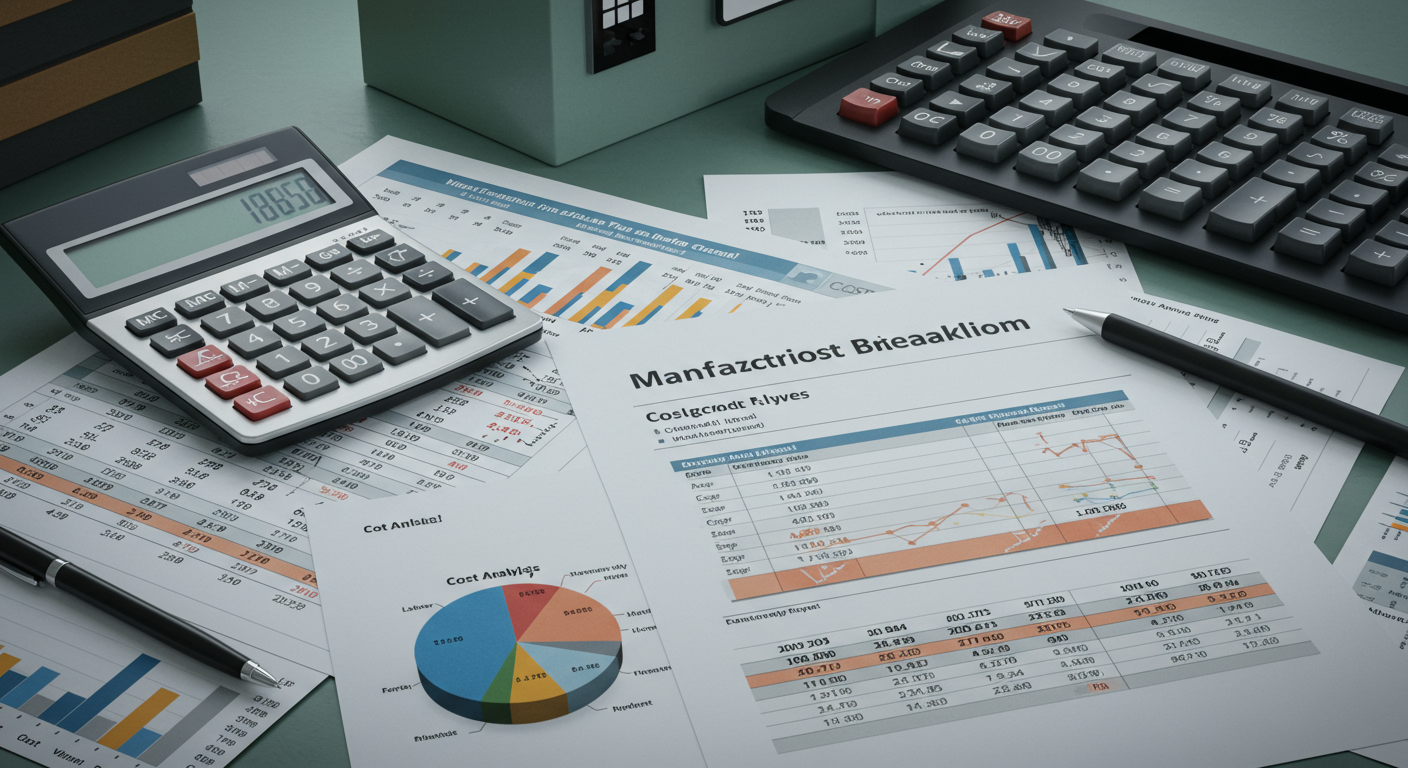
Understanding cost structure in contract manufacturing is essential for building a sustainable business model. Accurate cost analysis helps you determine the right pricing strategy and evaluate manufacturer quotes effectively.
Key Cost Components
1. Raw Material Costs
Typically the largest cost component, representing 40-60% of total production costs. Includes all materials, components, and packaging required to manufacture the product.
2. Labor Costs
Direct labor for production workers, including wages, benefits, and employer contributions. Turkey offers competitive labor costs compared to Western Europe.
3. Overhead and Facility Costs
Factory rent, energy, equipment depreciation, and maintenance costs allocated per unit produced.

4. Quality Control Costs
Laboratory testing, inspection, certification maintenance, and quality assurance personnel.
5. Manufacturer Profit Margin
The manufacturer's margin on top of production costs, typically ranging from 10-30% depending on complexity and volume.
How to Reduce Manufacturing Costs
- Increase Order Volume: Higher quantities result in lower per-unit costs
- Simplify Product Design: Fewer components and simpler assembly reduce labor costs
- Standardize Packaging: Use standard packaging sizes to reduce tooling costs
- Long-term Contracts: Secure better pricing with volume commitments
- Multiple Quotes: Compare offers from multiple manufacturers
Common Pricing Models
- Cost-Plus Pricing: Total cost + fixed profit margin
- Fixed Price: Agreed price per unit regardless of actual costs
- Volume-Based Pricing: Unit price decreases as order volume increases
Learn more about What is Contract Manufacturing and how to Prepare a Manufacturing Contract.