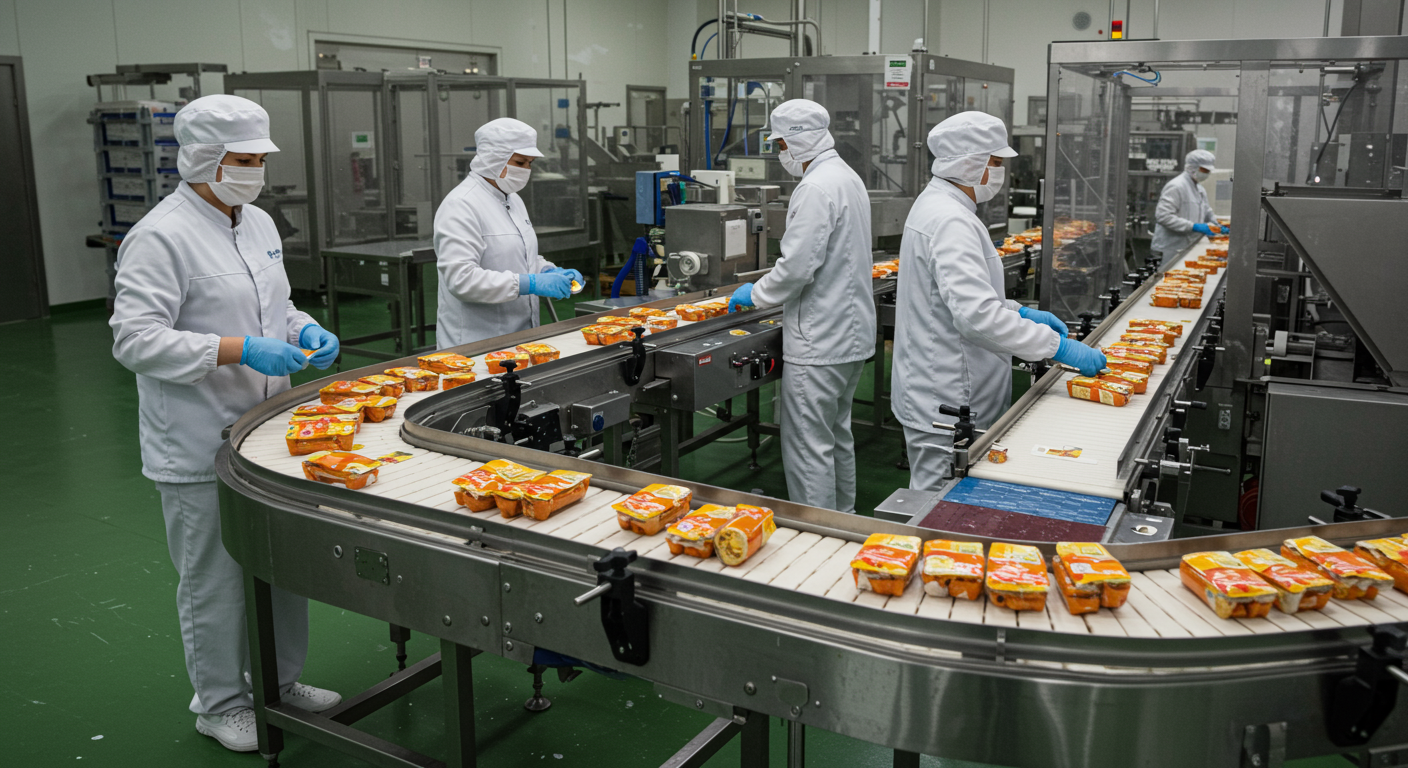
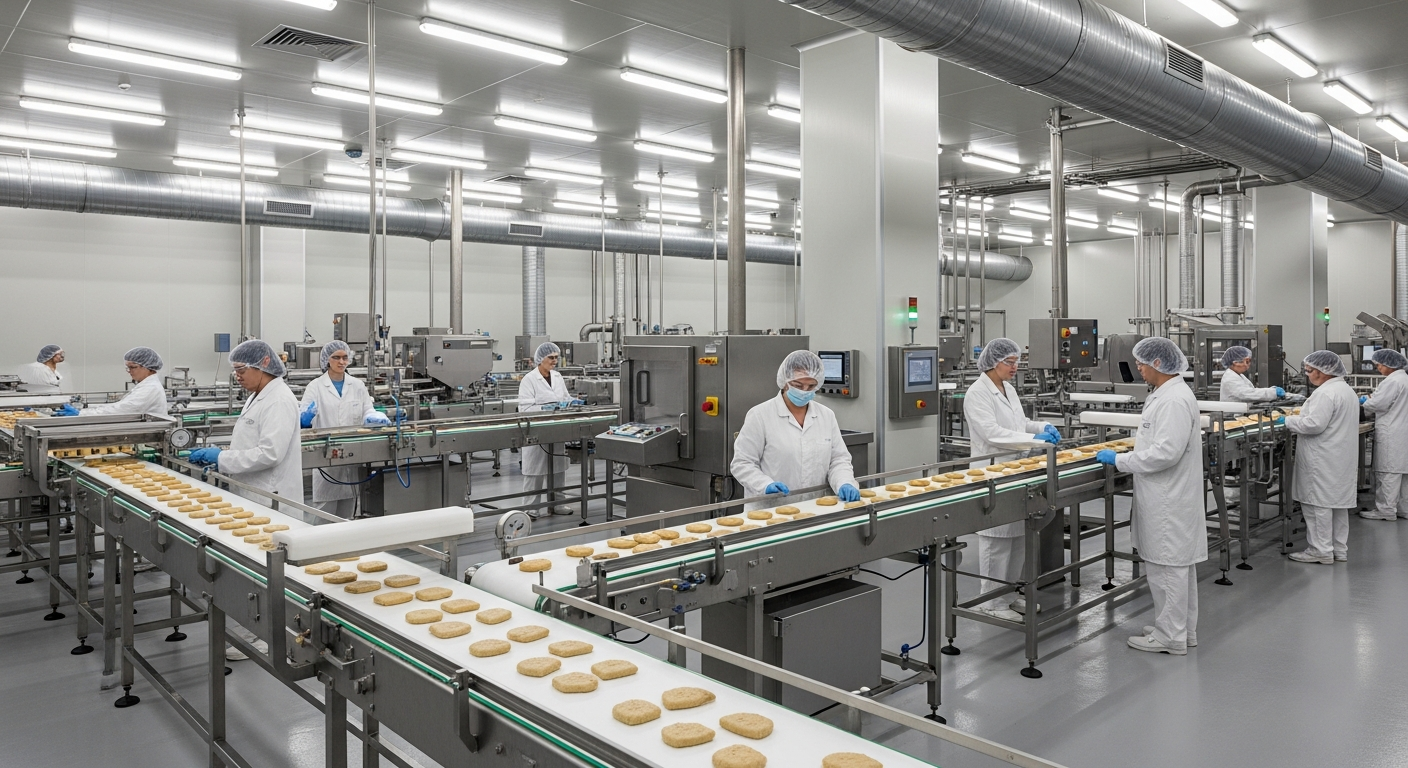
The organic and natural food market is experiencing rapid global growth as consumers increasingly seek healthier and more sustainable food options. Contract manufacturing is the most practical route to launch your own organic food brand without building a production facility.
Organic vs. Natural Food
Organic food has a formal legal definition and requires third-party certification. It prohibits synthetic pesticides, artificial fertilizers, GMOs, and most artificial additives. Natural food has no legally standardized definition in most countries and typically refers to minimally processed foods with no artificial ingredients — but without mandatory certification.
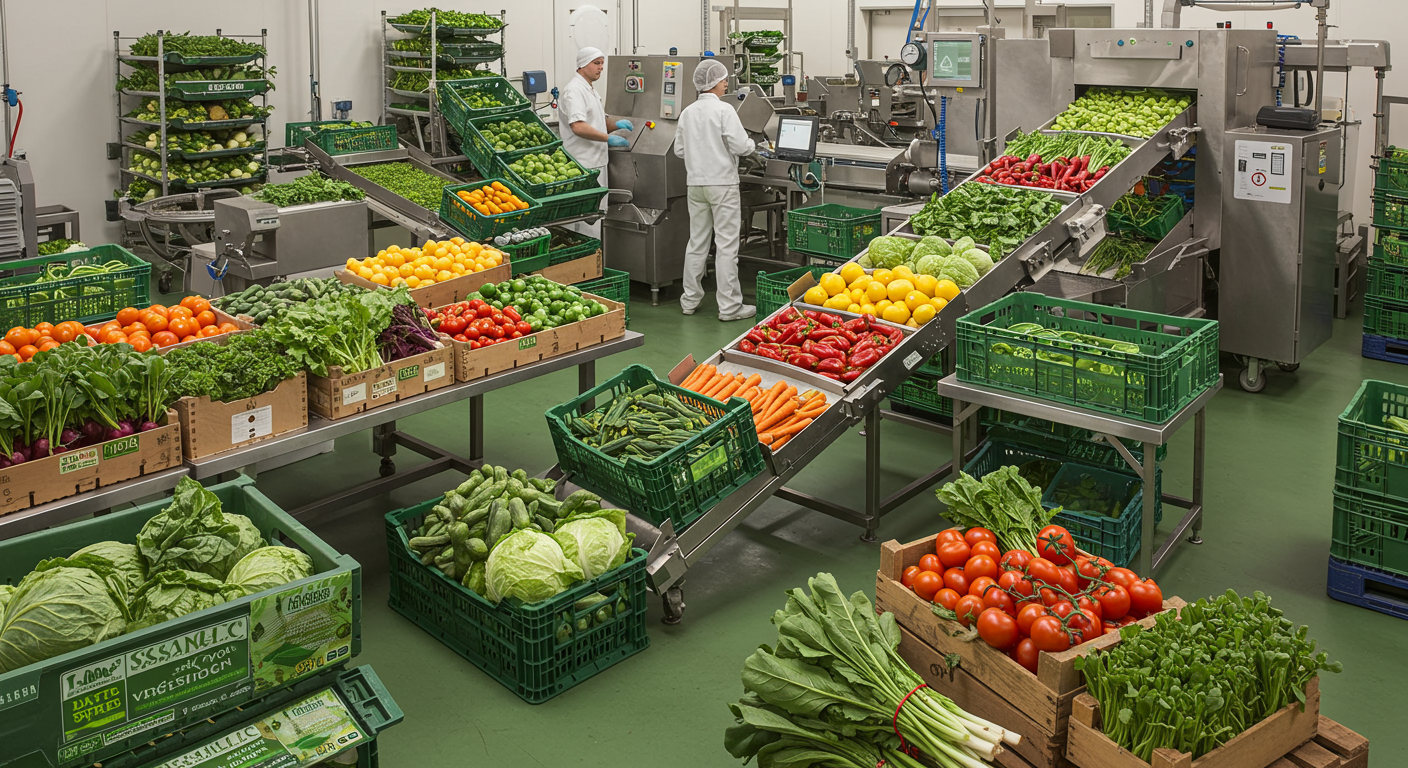
Organic Certification in Turkey
In Turkey, organic production is governed by the Ministry of Agriculture and Forestry and controlled by authorized private inspection and certification bodies. Products sold as "organic" must carry the ministry-approved organic logo and certification number.
Major Organic Certifications
- Turkish Organic (TR): Ministry of Agriculture approval for domestic market
- EU Organic: Required for export to EU member states
- USDA Organic: Required for export to the United States
- Demeter: Biodynamic farming certification
Requirements for Organic Contract Manufacturing
- Organic-certified production facility
- Segregated production lines or thorough cleaning procedures between organic and conventional production
- Traceability documentation for all organic ingredients
- Organic-compatible packaging materials
- Annual inspection and certification renewal
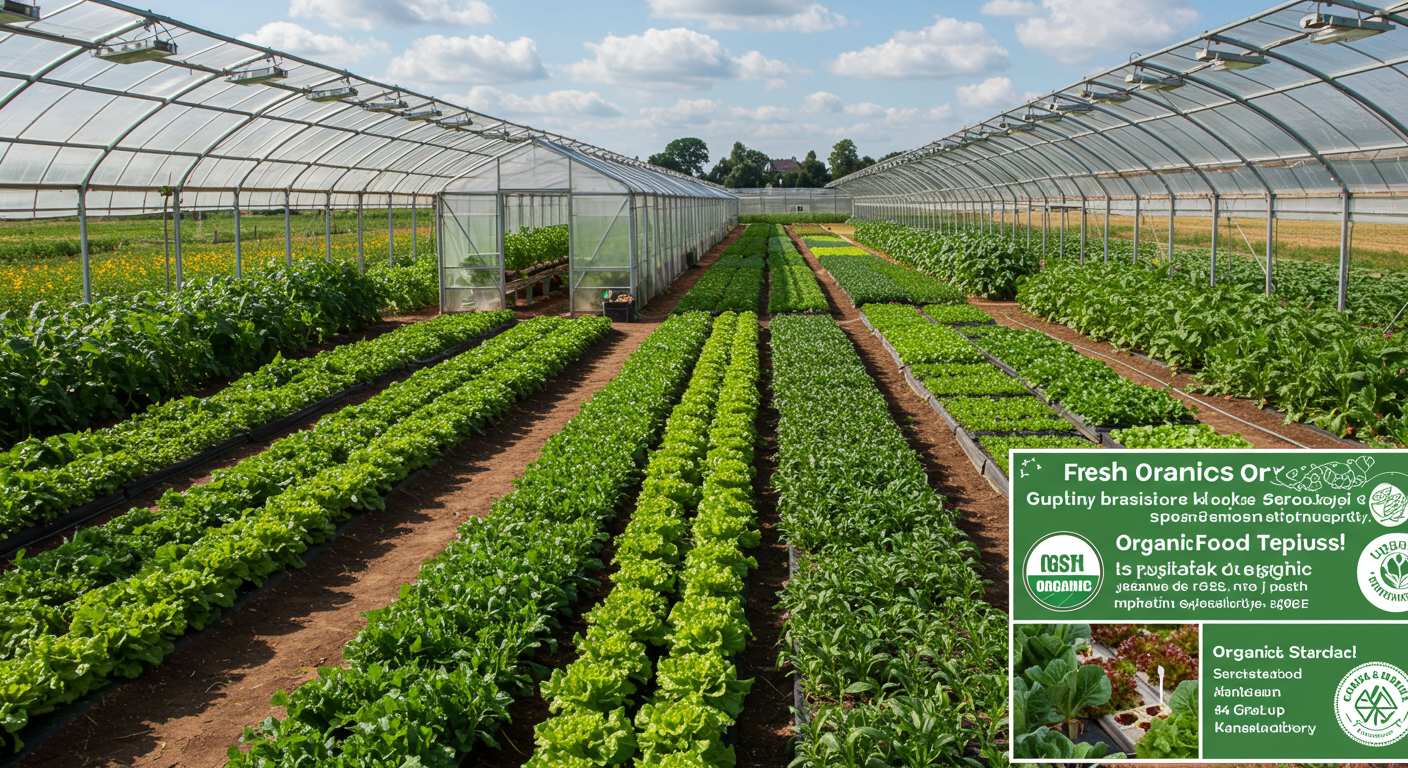
Finding Organic Manufacturers in Turkey
Turkey is one of Europe's largest organic agriculture countries. To connect with certified organic food manufacturers, use the TR2B food manufacturing platform where you can filter by certification and production capability.
Popular Organic Private Label Categories
- Organic baby foods and snacks
- Organic herbs, spices, and teas
- Organic grains, legumes, and flours
- Organic jams, honeys, and spreads
- Organic cold-pressed oils
- Organic dairy and plant-based beverages
For labeling requirements for organic products, see Food Labeling and Packaging and Food Manufacturing Guide.
Before the next supplier discussion
Request the following evidence and record any gaps before approving a quote or production run.
- Ingredient and specification file
- Label or claim review
- Shelf-life or stability rationale
- Batch and traceability record
Next steps
- Ask for the exact product form and target market.
- Request certificate scope and recent test evidence.
- Define sample, pilot and release criteria before price comparison.
Related internal checks
To strengthen the decision on Organic and Natural Food Contract Manufacturing, continue with these related checks before choosing a supplier or approving production.
- Food Sector Contract Manufacturing: Complete Guide
- Food Labeling and Packaging in Contract Manufacturing
- How to Find Turkey-Based Food Manufacturers and Contract Manufacturers
- Quality Management in Contract Manufacturing
- How to Prepare a Manufacturing Contract
- What is Contract Manufacturing? Complete Guide
- Contract Manufacturing: Advantages and Disadvantages
- Contract Manufacturing Processes: Step by Step Guide
Sources and further reading
Further reading for Organic and Natural Food Contract Manufacturing: consult the relevant standards and regulator guidance for the product and target market.