Probiotic and prebiotic production requires different technical controls. For a supplier decision, focus on ingredient identity, evidence for the intended use, formulation, stability and target-market requirements rather than an unsourced market forecast.
Probiotics vs. Prebiotics
Probiotics
Live microorganisms that, when administered in adequate amounts, confer a health benefit on the host (WHO definition). Most probiotics belong to the Lactobacillus and Bifidobacterium genera.

Prebiotics
Non-digestible food ingredients that selectively feed beneficial gut bacteria. Inulin, FOS (fructooligosaccharides), GOS (galactooligosaccharides), and resistant starch are the most common prebiotics.
Synbiotics
Products combining both probiotics and prebiotics. The prebiotic selectively feeds the probiotic strain(s) in the formula, potentially enhancing efficacy.
Probiotic Manufacturing Process
Strain Selection
Choose clinically studied strains with documented health benefits relevant to your product. Strains are sourced from licensed culture banks (ATCC, DSM, etc.).
Fermentation
Selected strains are grown under controlled conditions of temperature, pH, and oxygen level. Scale-up from lab to commercial fermentation requires careful process validation.
Freeze-Drying (Lyophilization)
Freeze-drying removes water from frozen cultures under vacuum. Whether the resulting powder remains viable through shelf life depends on the strain, formulation, packaging and storage conditions.
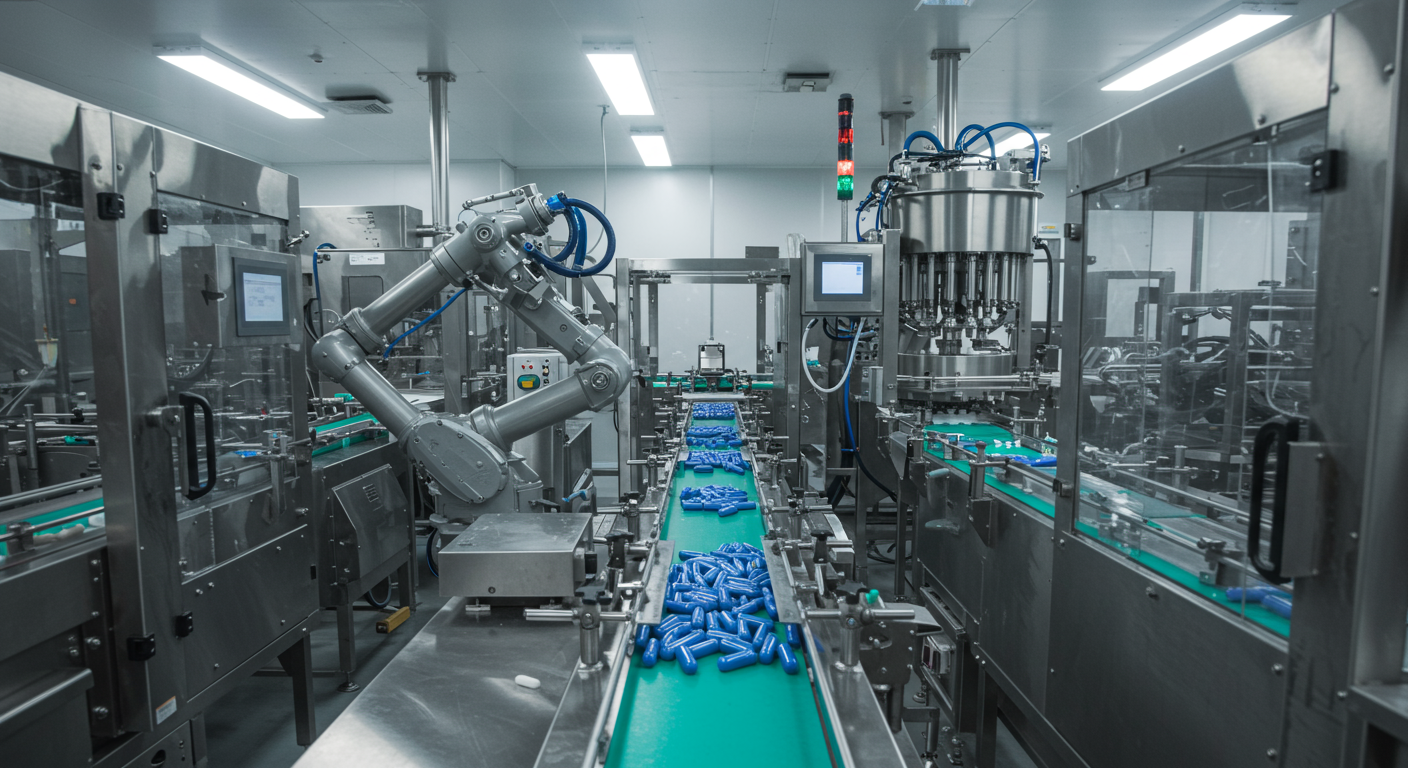
Encapsulation and Packaging
Freeze-dried probiotic powder is filled into capsules or sachets under low-humidity conditions. Moisture control is critical at this stage.
Key Technical Specifications
- CFU Count: Colony Forming Units guaranteed at end of shelf life (not just at manufacture)
- Strain Identity: Use an identification method that resolves the required strain; 16S rRNA sequencing alone may not distinguish closely related strains.
- Stability: Shelf life study at target storage conditions
- Moisture: Define and validate moisture and water-activity limits for the actual strain, formula and packaging.
Finding Probiotic Manufacturers
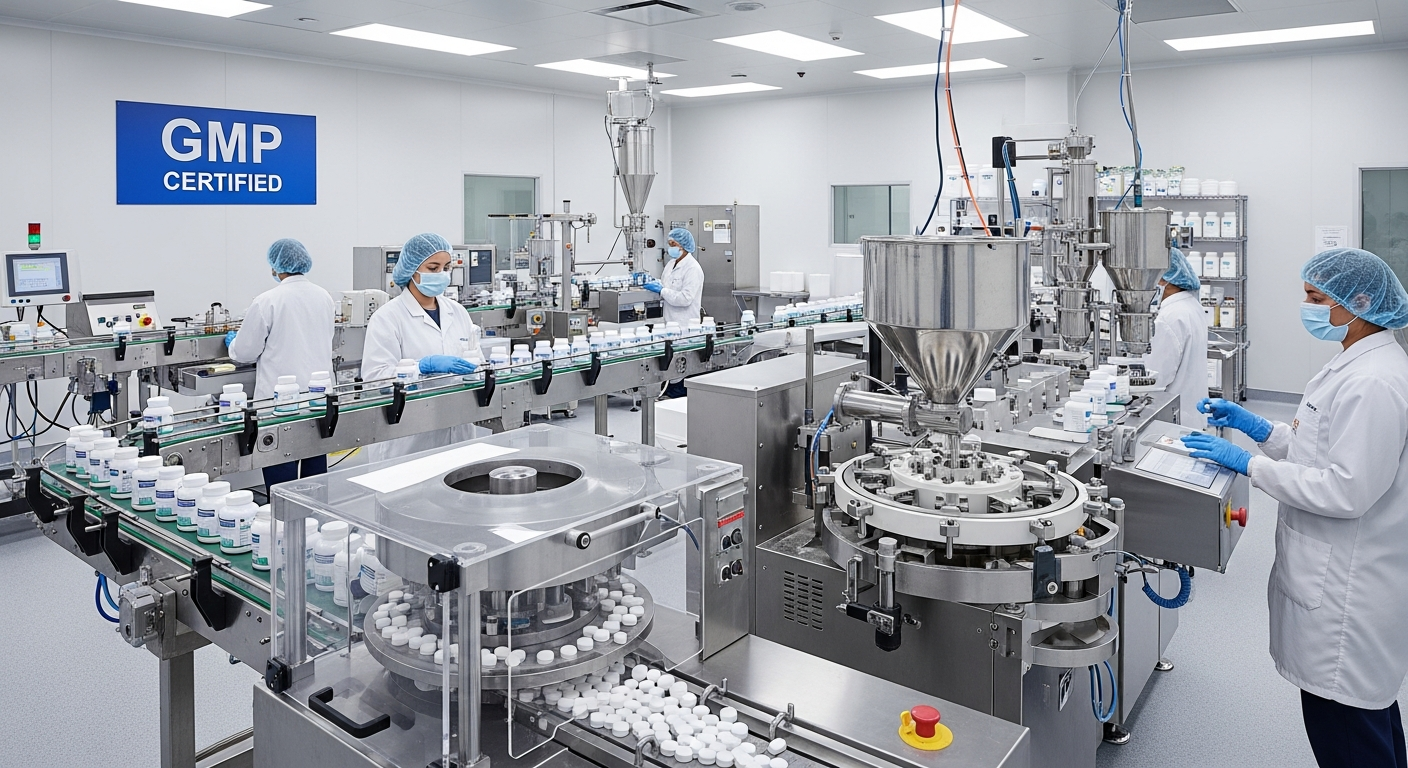
Turkey has growing capabilities in probiotic manufacturing, particularly for capsule and sachet formats. Use TR2B's dietary supplement platform to connect with GMP-certified manufacturers specializing in probiotic products.
For regulatory requirements for probiotic supplements, see Supplement Regulations and Licensing and the Supplement Manufacturing Guide.
Before the next supplier discussion
Request the following evidence and record any gaps before approving a quote or production run.
- Ingredient and specification file
- Label or claim review
- Shelf-life or stability rationale
- Batch and traceability record
Next steps
- Ask for the exact product form and target market.
- Request certificate scope and recent test evidence.
- Define sample, pilot and release criteria before price comparison.
Related internal checks
To strengthen the decision on Probiotic and Prebiotic Contract Manufacturing Guide, continue with these related checks before choosing a supplier or approving production.
- Vitamin Gummy Market and Manufacturing Opportunities
- Dietary Supplement Contract Manufacturing Guide
- Dietary Supplement Regulations and Licensing
- Quality Management in Contract Manufacturing
- How to Prepare a Manufacturing Contract
- What is Contract Manufacturing? Complete Guide
- Contract Manufacturing: Advantages and Disadvantages
- Contract Manufacturing Processes: Step by Step Guide
Sources and further reading
Further reading for Probiotic and Prebiotic Contract Manufacturing Guide: consult the relevant standards and regulator guidance for the product and target market.