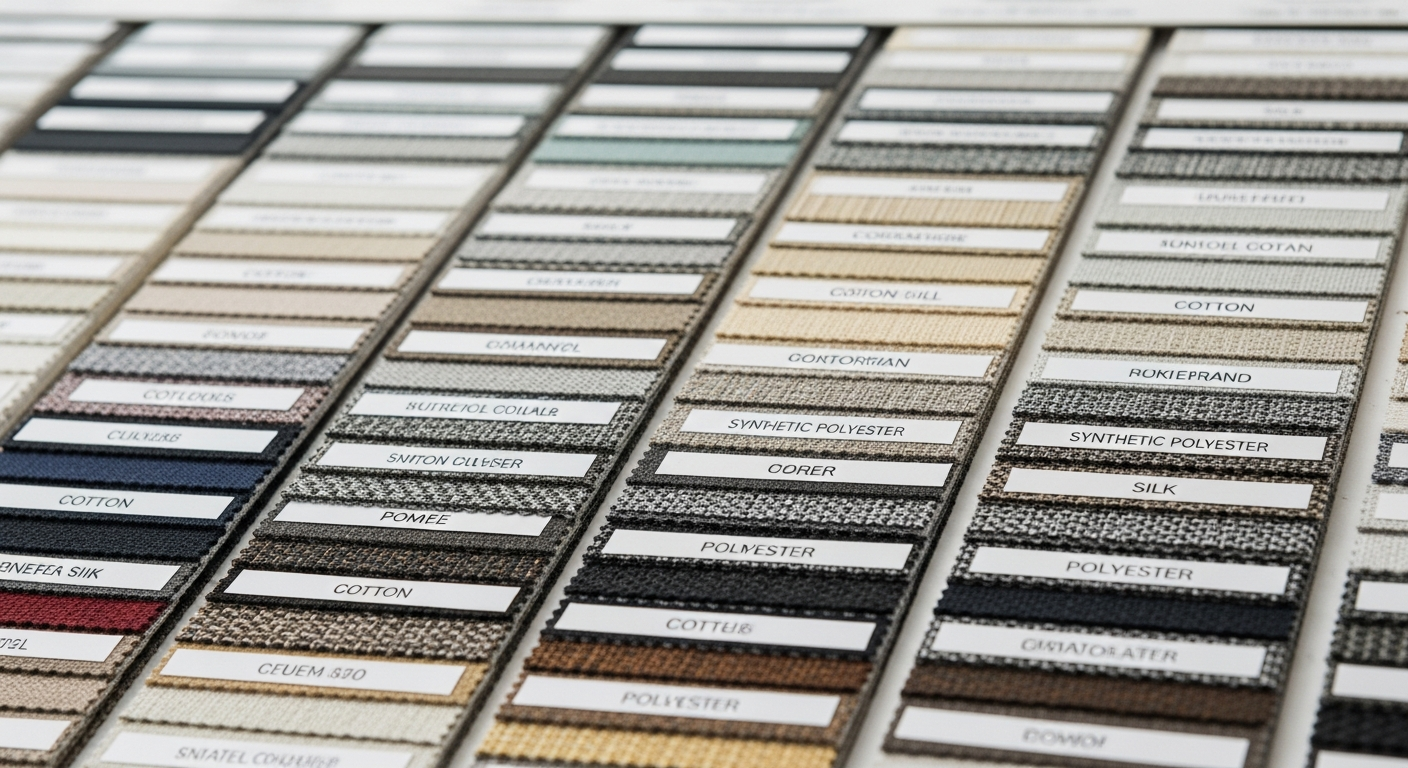
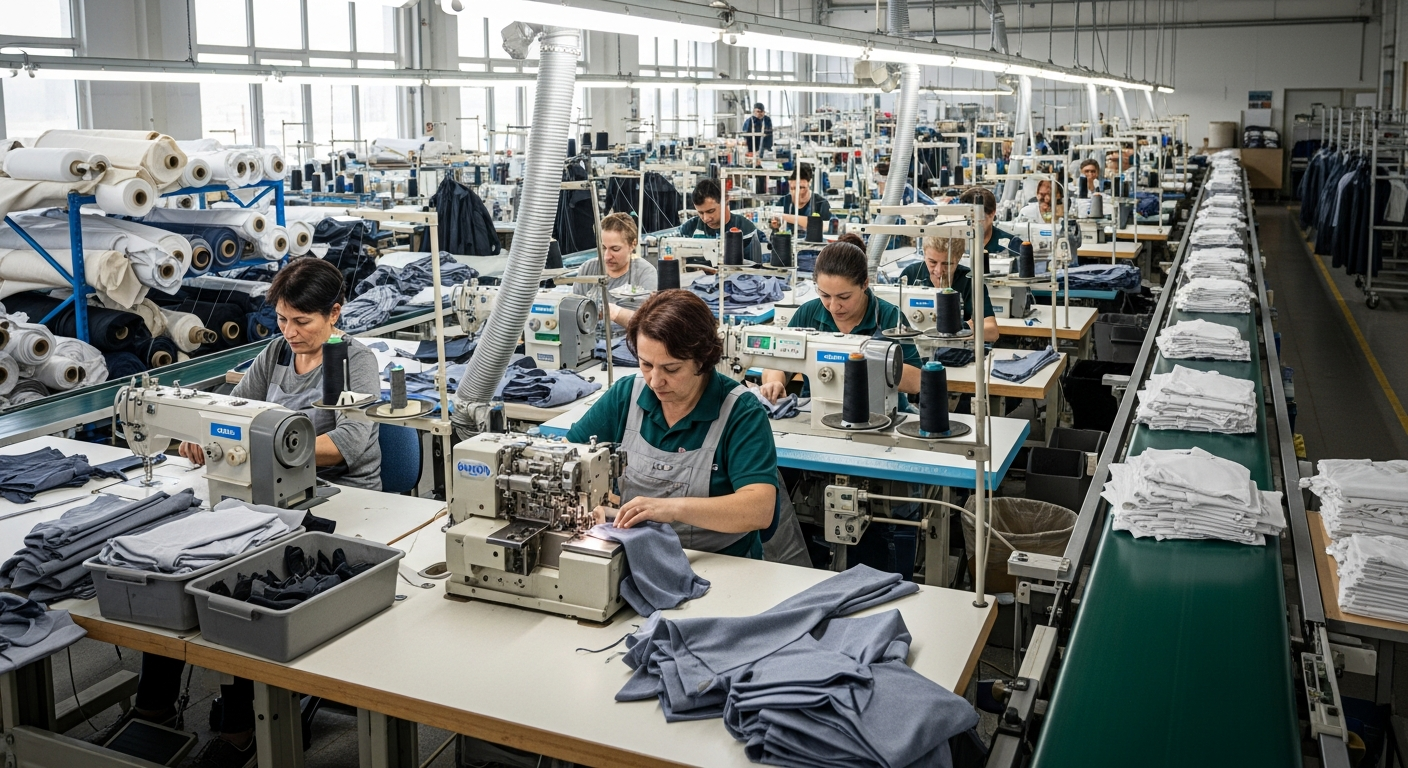
A test report is not automatically a pass. Buyers need to know the sample, method, limit, date, laboratory scope and product coverage behind the result.
Restricted-substance control is especially important when fabric, trims, prints, coatings and washes come from different suppliers. One missing component can break the compliance story.

The report must match the product
The buyer should decide which components require current testing before bulk approval. High-risk dyes, coatings, prints, metal trims and special finishes should not be covered by a generic fabric certificate.
The practical goal is to make chemical compliance part of supplier selection, not a panic after shipment.
Components that create hidden risk
- Match the report sample description to the exact product component.
- Check test date, laboratory accreditation and method reference.
- Compare limits against the target market, not only supplier habit.
- Review trims, labels, prints, embroidery and wash effects separately.
- Keep failed reports and corrective action records in the supplier file.
How REACH and due diligence sources guide review
ECHA restricted-substance information gives the regulatory anchor, while OECD and UNECE sources push suppliers toward traceable, responsible value chains. ISO adds the need for controlled records and corrective action.
A buyer-friendly report checklist
- Build a component-level test matrix.
- Request reports before bulk material release.
- Flag old, incomplete or mismatched reports for retest.
- Ask suppliers to explain failures, not only replace the document.
- Use chemical-compliance evidence in supplier scoring.
When to retest
This article gives the textile category a sharper compliance angle without becoming a legal manual.
After this preparation, state your scope, evidence, sample process, MOQ and quality records clearly in the supplier profile. Use TR2B contract manufacturing category for the relevant category, the TR2B overview guide for profile setup and TR2B service pages when service listing is the right next step.
Related internal checks
To strengthen the decision on Restricted Substances in Textiles: How to Read Test Reports, continue with these related checks before choosing a supplier or approving production.
- Textile Contract Manufacturing Guide
- Garment Contract Manufacturing
- Quality Control in Textile Manufacturing
- Fabric Selection and Sourcing for Contract Manufacturing
- How to Prepare a Manufacturing Contract
- Choosing the Right Contract Manufacturing Partner
- What is Contract Manufacturing? Complete Guide
- Contract Manufacturing: Advantages and Disadvantages
Sources and further reading
Further reading for Restricted Substances in Textiles: How to Read Test Reports: consult the relevant standards and regulator guidance for the product and target market.