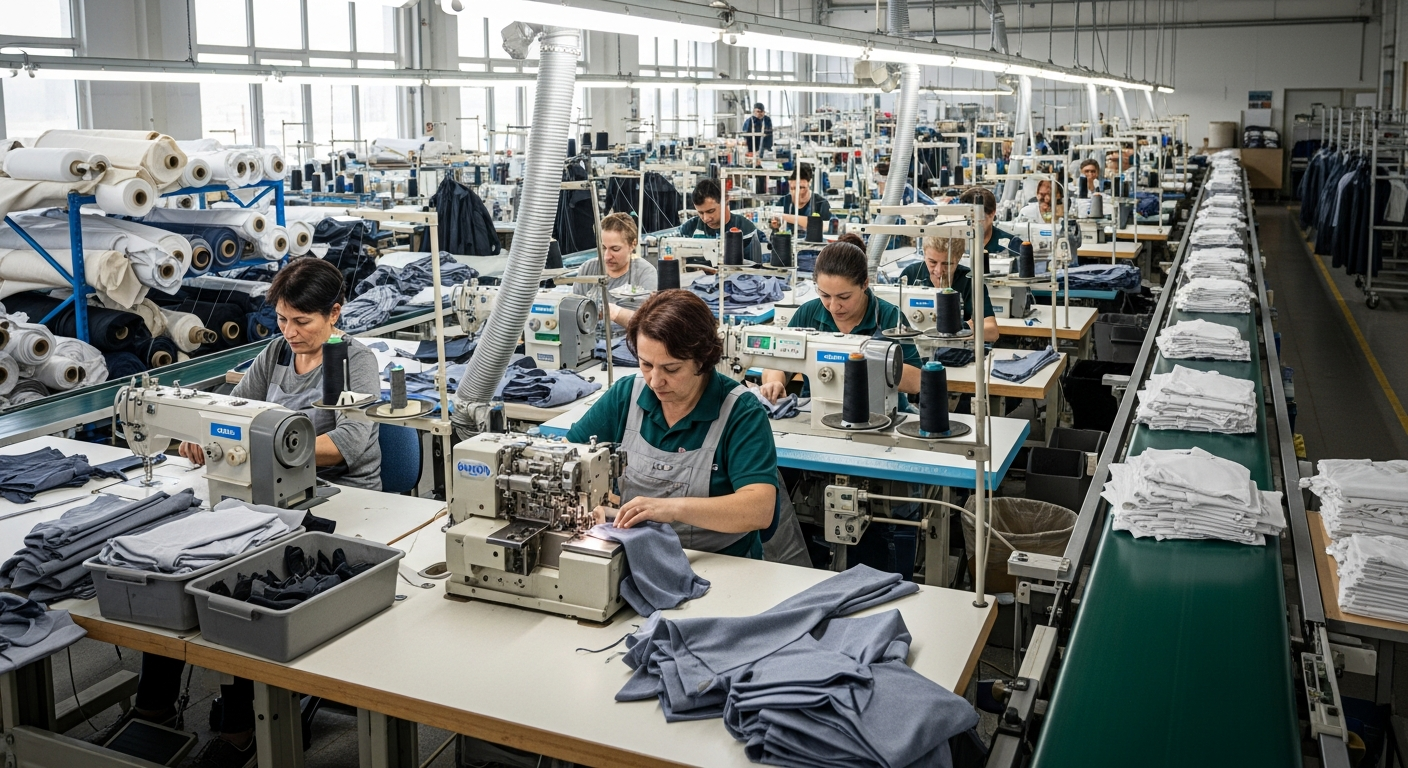
Fiber content is a commercial claim, a compliance requirement and a production control point at the same time. A beautiful garment can still fail the buyer if the label language or fibre declaration is wrong.
Textile sourcing should therefore connect fabric purchasing, lab testing, care label approval and final inspection in one evidence trail.
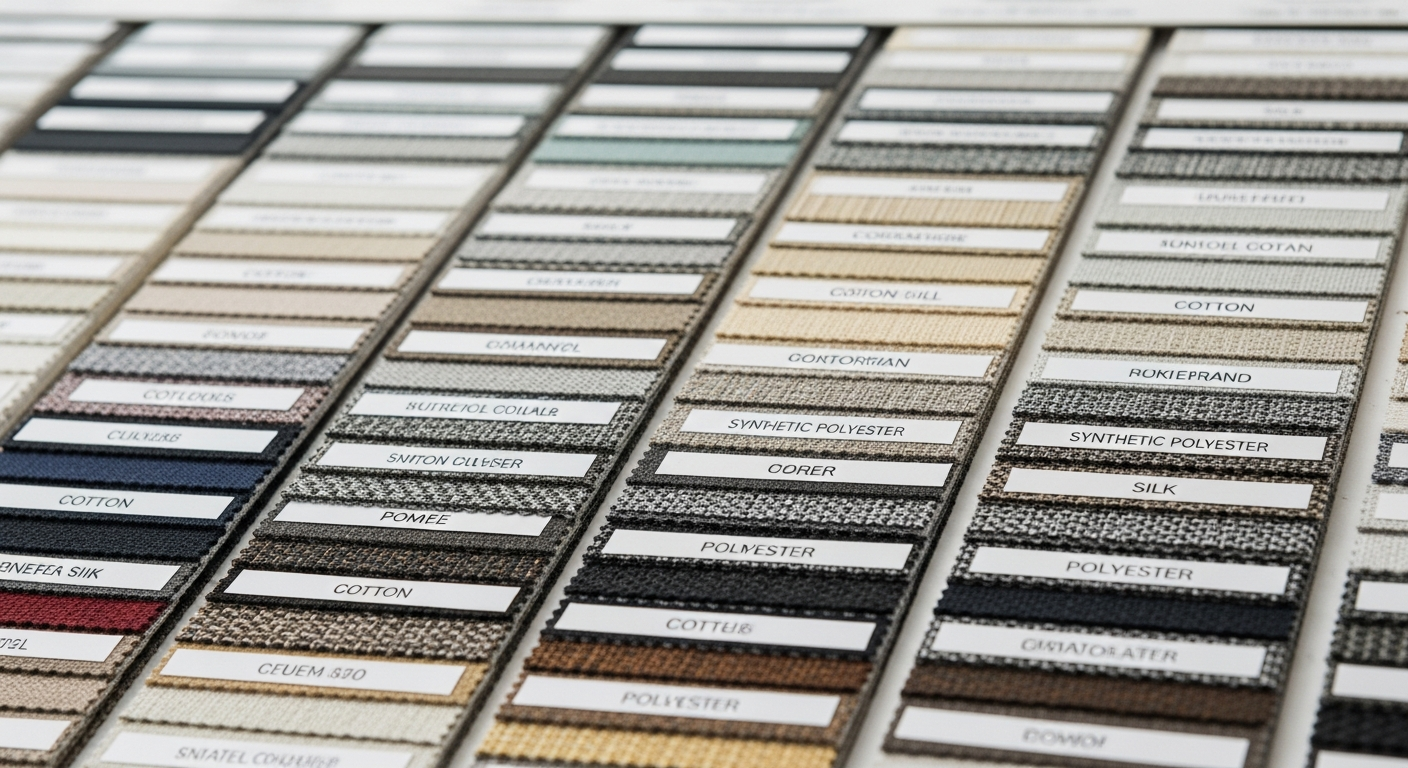
Label risk starts at fabric sourcing
The buyer should decide the target market and label language before bulk fabric purchasing. Otherwise the manufacturer may produce a technically acceptable garment with a commercially unusable label.
This article turns labelling from a final artwork task into an early manufacturing decision.
Documents behind fiber claims
- Verify fiber names against the target-market naming rules.
- Ask for fabric composition test reports where the risk is material.
- Keep trim, lining and non-textile animal-origin parts separate in the label review.
- Translate mandatory label text before final artwork approval.
- Connect label approval to the approved sample and purchase order.
What EU and traceability sources imply
EU textile label guidance makes fiber composition and language a market-access issue. UNECE and OECD sources broaden the view: traceability and due diligence are not decoration; they are how a supplier proves where textile claims came from.
Care label approval workflow
- Create a label approval checklist by target market.
- Request supplier documents before cutting bulk fabric.
- Review fiber, care, size, country and animal-origin notes together.
- Keep approved label artwork in the production file.
- Audit final goods against the approved label, not against memory.
Supplier questions before production
This textile article is useful because it ties compliance to everyday production files rather than abstract regulation.
After this preparation, state your scope, evidence, sample process, MOQ and quality records clearly in the supplier profile. Use TR2B contract manufacturing category for the relevant category, the TR2B overview guide for profile setup and TR2B service pages when service listing is the right next step.
Related internal checks
To strengthen the decision on Fiber Content and Care Label Compliance in Textile Manufacturing, continue with these related checks before choosing a supplier or approving production.
- Textile Contract Manufacturing Guide
- Garment Contract Manufacturing
- Quality Control in Textile Manufacturing
- Fabric Selection and Sourcing for Contract Manufacturing
- How to Prepare a Manufacturing Contract
- Choosing the Right Contract Manufacturing Partner
- What is Contract Manufacturing? Complete Guide
- Contract Manufacturing: Advantages and Disadvantages
Sources and further reading
Further reading for Fiber Content and Care Label Compliance in Textile Manufacturing: consult the relevant standards and regulator guidance for the product and target market.