Low-MOQ Apparel Production: Cost, Quality and Supplier Risk for New Brands

For Low-MOQ Apparel Production: Cost, Quality and Supplier Risk for New Brands, the strongest approach is to connect operational needs, cost, quality and supplier control into one verifiable decision. Read this section as a decision file: expected output, commercial limits, responsible owners, quality proof and stop points should be clear before volume approval.

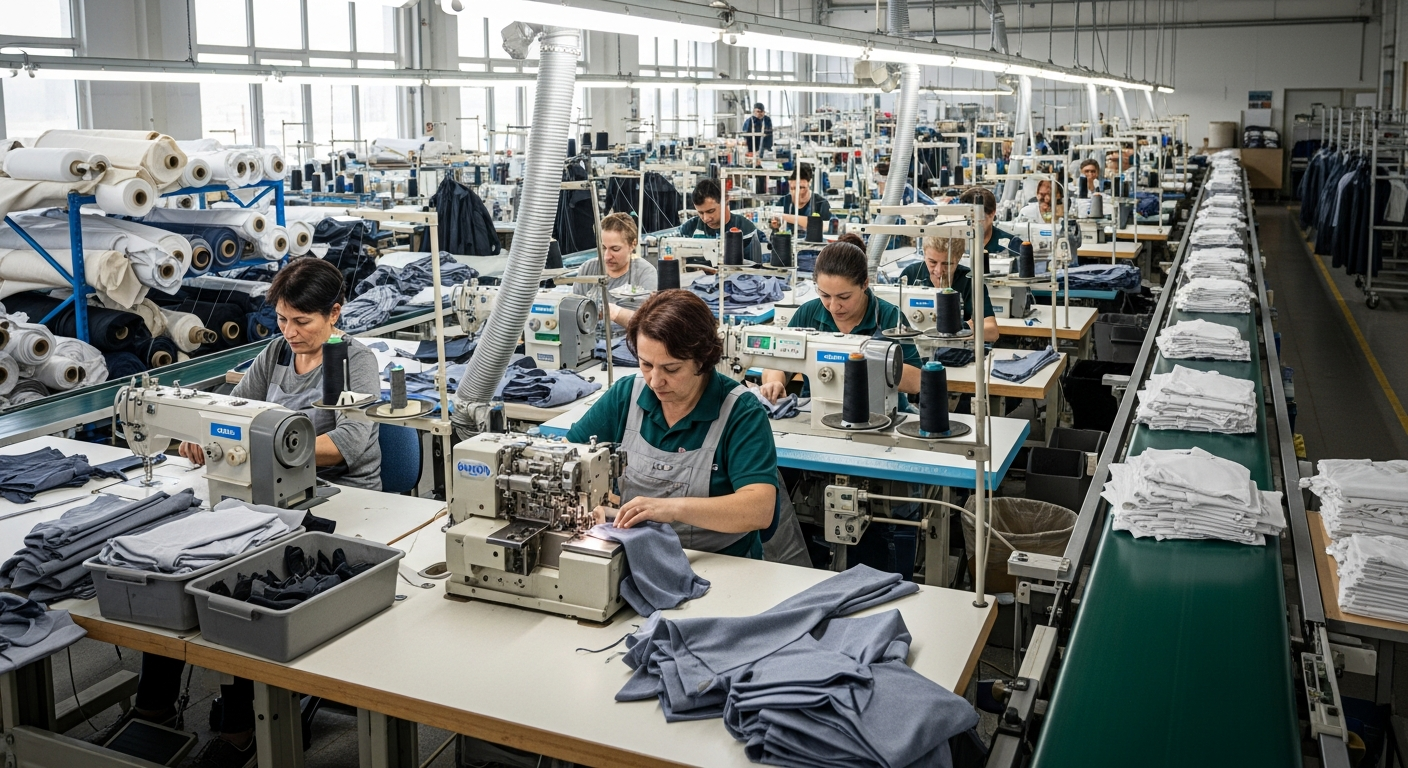
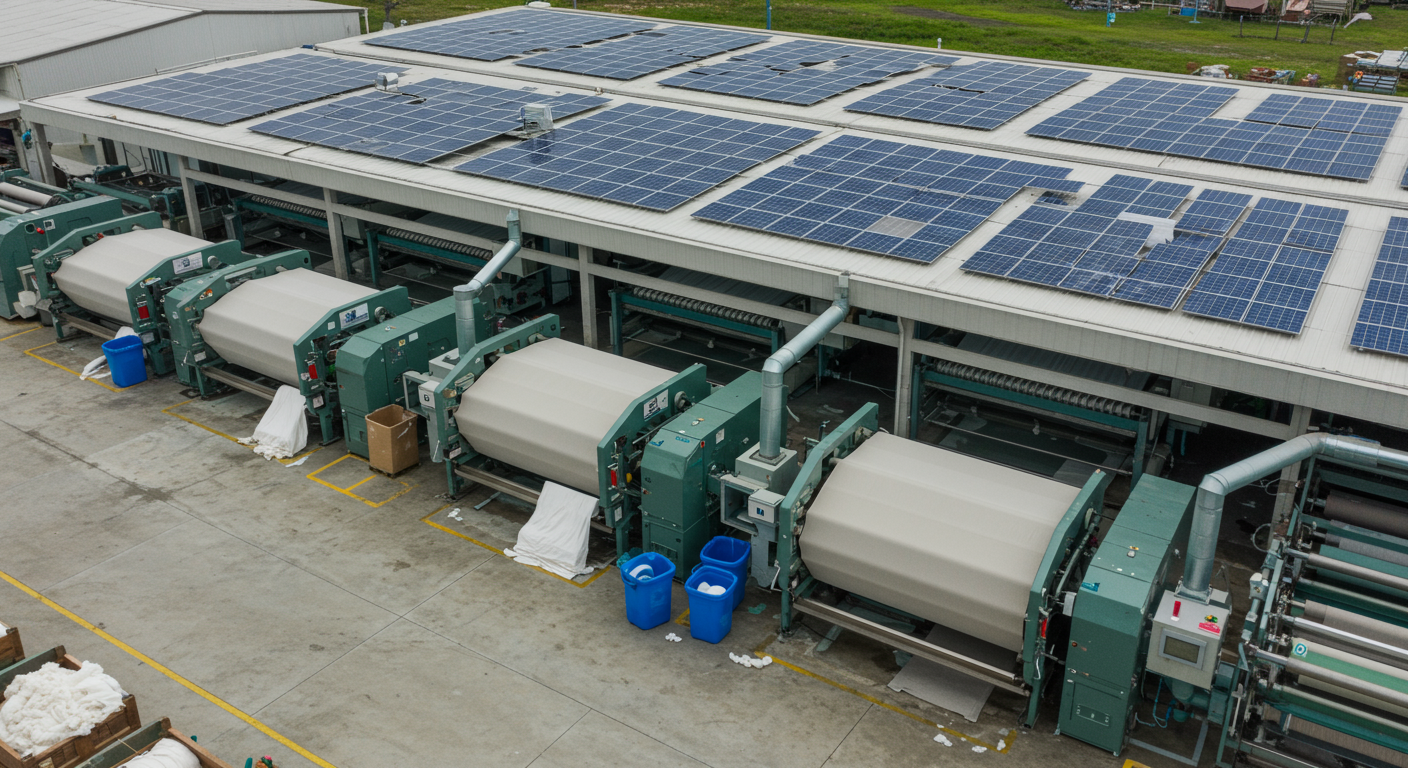
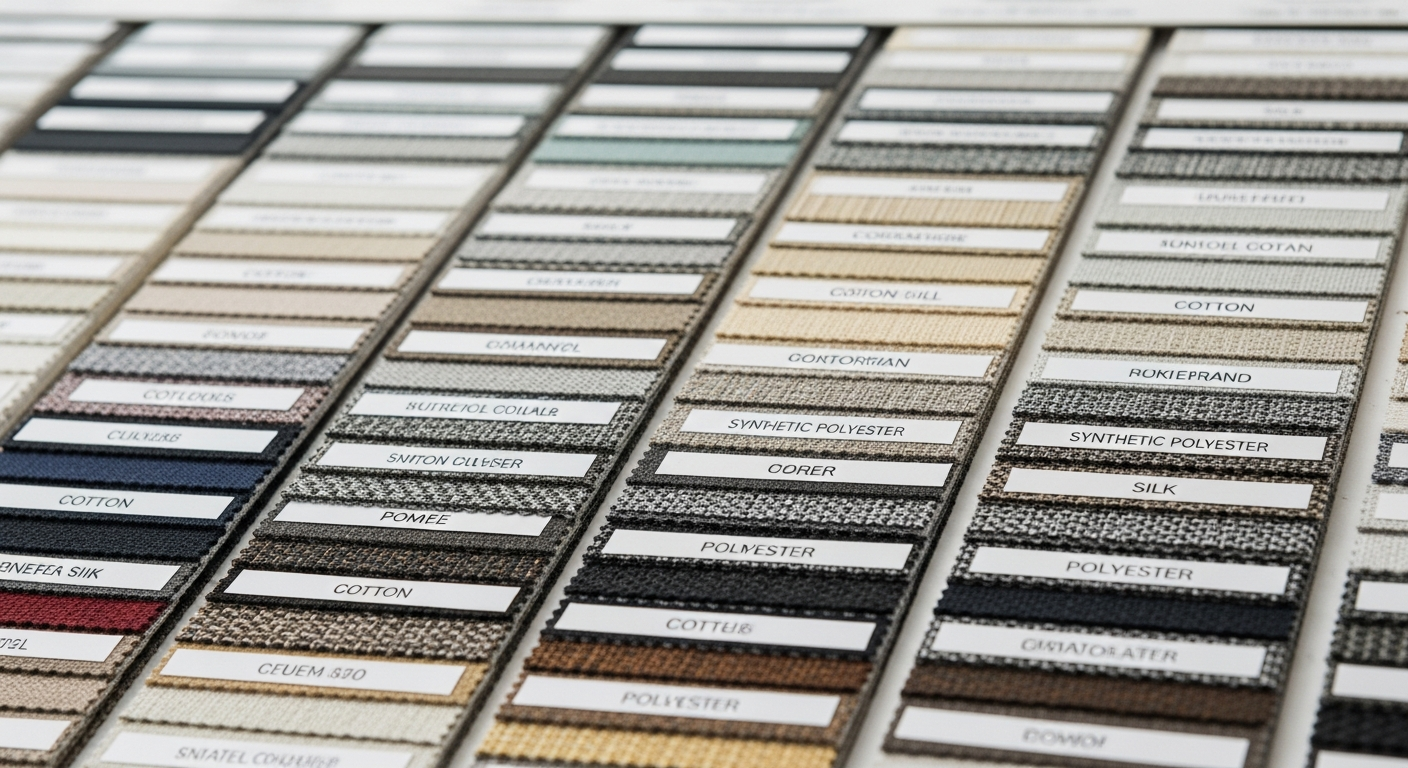
Low-MOQ Apparel Production: Cost, Quality and Supplier Risk for New Brands visual guide for Textile Contract Manufacturing

What must be clear first

Treat Low-MOQ Apparel Production: Cost, Quality and Supplier Risk for New Brands as a manufacturing decision, not only as a quick price search. In Textile Contract Manufacturing, expected output, volume, tolerances, packaging, target market, documents, timing and acceptance criteria should be clear before commercial negotiation.

How to evaluate the manufacturer

A strong manufacturer shows comparable product experience, a stable quality team, certificates with the right scope, available capacity and consistent technical answers. A low price rarely compensates for weak documentation or poor traceability.

Documents that reduce risk

  • Approved product specification or technical file
  • Applicable certificates and exact certificate scope
  • Quality plan, test method and acceptance criteria
  • Example inspection report or batch certificate
  • Price, MOQ, sample, lead time, payment and change rules

Key points to watch

The main risks in Low-MOQ Apparel Production: Cost, Quality and Supplier Risk for New Brands are vague requirements, unchecked certificates, undocumented changes, incomplete testing and unclear responsibility sharing. Every important requirement should be supported by a document, measurement, approved sample or quality record.

How to move forward with control

Move in stages: screening, technical discussion, sample, document validation, pilot order, quality review and then volume increase. This sequence protects the buyer and gives the manufacturer a clear execution path.

Where TR2B fits into the process

When the topic involves supplier visibility, supplier profiles or B2B demand, TR2B is the natural next step: complete the company profile, publish services in the right category and receive better qualified inquiries.

TR2B Fason Üretim TR2B pricing

Operational conclusion

Low-MOQ Apparel Production: Cost, Quality and Supplier Risk for New Brands becomes more reliable when decisions are based on evidence, not promises. Before signing or approving production, keep requirements, controls, responsibilities and response paths in writing.

Practical review framework

What must be clear first

Treat Low-MOQ Apparel Production: Cost, Quality and Supplier Risk for New Brands as a manufacturing decision, not only as a quick price search. In Textile Contract Manufacturing, expected output, volume, tolerances, packaging, target market, documents, timing and acceptance criteria should be clear before commercial negotiation.

Read this section as a decision file: expected output, commercial limits, responsible owners, quality proof and stop points should be clear before volume approval.

Documents that reduce risk

AreaQuestionExpected proof
ScopeIs the product, service, tolerance, target market and delivery expectation clear enough for Low-MOQ Apparel Production: Cost, Quality and Supplier Risk for New Brands?Technical specification, product file, approved sample or service scope.
EvidenceWhat document, record, test or reference supports the supplier claim?Certificate scope, analysis report, quality plan, batch record or customer reference.
ProcessHow will changes, nonconformities, delays and sample revisions be handled?Revision procedure, named owner, delivery calendar and acceptance criteria.
Commercial stepWhich missing detail would weaken the quotation decision?MOQ, payment, delivery terms, cost breakdown, packaging and logistics assumptions.

Key points to watch

The main risks in Low-MOQ Apparel Production: Cost, Quality and Supplier Risk for New Brands are vague requirements, unchecked certificates, undocumented changes, incomplete testing and unclear responsibility sharing. Every important requirement should be supported by a document, measurement, approved sample or quality record.

Practical Checklist

  • Read the headline as a decision guide, not as a dictionary definition.
  • Ask for a document, measurement, sample or official source behind every claim.
  • Write the target market and acceptance criteria before the first supplier call.
  • Do not separate price from quality, delivery, compliance and traceability.
  • Do not close uncertainty with verbal reassurance; request one more proof point.

How to move forward with control

Move in stages: screening, technical discussion, sample, document validation, pilot order, quality review and then volume increase. This sequence protects the buyer and gives the manufacturer a clear execution path.

Low-MOQ Apparel Production: Cost, Quality and Supplier Risk for New Brands becomes more reliable when decisions are based on evidence, not promises. Before signing or approving production, keep requirements, controls, responsibilities and response paths in writing.

  • Approved product specification or technical file
  • Applicable certificates and exact certificate scope
  • Quality plan, test method and acceptance criteria
  • Example inspection report or batch certificate
  • Price, MOQ, sample, lead time, payment and change rules

Read this section as a decision file: expected output, commercial limits, responsible owners, quality proof and stop points should be clear before volume approval.

Low-MOQ Apparel Production: Cost, Quality and Supplier Risk for New Brands becomes more reliable when decisions are based on evidence, not promises. Before signing or approving production, keep requirements, controls, responsibilities and response paths in writing.

To strengthen the decision on Low-MOQ Apparel Production: Cost, Quality and Supplier Risk for New Brands, continue with these related checks before choosing a supplier or approving production.

Practical review framework

For Low-MOQ Apparel Production: Cost, Quality and Supplier Risk for New Brands, the strongest approach is to connect operational needs, cost, quality and supplier control into one verifiable decision. Read this section as a decision file: expected output, commercial limits, responsible owners, quality proof and stop points should be clear before volume approval.

Documents that reduce risk

  • Approved product specification or technical file
  • Applicable certificates and exact certificate scope
  • Quality plan, test method and acceptance criteria
  • Example inspection report or batch certificate
  • Price, MOQ, sample, lead time, payment and change rules

Key points to watch

The main risks in Low-MOQ Apparel Production: Cost, Quality and Supplier Risk for New Brands are vague requirements, unchecked certificates, undocumented changes, incomplete testing and unclear responsibility sharing. Every important requirement should be supported by a document, measurement, approved sample or quality record.

How to move forward with control

Move in stages: screening, technical discussion, sample, document validation, pilot order, quality review and then volume increase. This sequence protects the buyer and gives the manufacturer a clear execution path.

Practical quality checklist

Before using Low-MOQ Apparel Production: Cost, Quality and Supplier Risk for New Brands in purchasing or production, turn the advice into measurable acceptance criteria.

  • Request current certificates and verify their scope.
  • Define samples, tolerances, tests and delivery in writing.
  • Compare at least two suppliers before committing volume.
  • Keep regulatory review separate from commercial negotiation.

Sources and further reading

Low-MOQ Apparel Production: Cost, Quality and Supplier Risk for New Brands was reviewed against official standards, regulatory pages and sector references. Always verify legal, medical, food or export decisions against the latest official text.