Unused production capacity is not automatically a sales opportunity. Empty hours on a line become demand only when the manufacturer can describe which work fits that capacity without damaging margin, quality or existing commitments.
The mistake is to market available capacity as a discount signal. Buyers hear urgency; good buyers still need scope, evidence and delivery discipline.
This guide treats idle capacity as an operating product: define it, package it, publish it, qualify it and measure whether it produces profitable work.

Name the capacity before selling it
A factory may have free time on one line, one shift, one team or one machine family. Each situation creates a different commercial offer. The supplier should translate available time into service packages rather than announce broad availability.
A buyer needs to know what can be accepted quickly and what would still require tooling, formulation, artwork, raw material approval or staffing.
- Define line, process, product family and available time window.
- Separate quick-turn work from work that needs development.
- Protect reserved capacity for existing customers.
- Decide which projects are too small or too risky even when the line is free.
Do not let idle time erase margin discipline
Unused capacity tempts suppliers to accept weak projects. That may fill the calendar but damage profitability, quality focus or customer service.
The better approach is to set stop-go rules before publishing the offer. Minimum order, material responsibility, change rules and target margin should be known before the first buyer message.
- Set minimum viable order value, not only minimum quantity.
- Define which materials the buyer must supply or approve.
- Keep rush fees, overtime and change costs visible.
- Decline projects that consume technical time without a realistic order path.
Make the offer concrete enough for search
A page titled available production capacity is less useful than a page titled small-batch pouch filling, overflow garment sewing or pilot food packing support. Search and platform discovery both reward specificity.
The service title should connect capacity with a buyer use case. That helps the manufacturer attract projects that are compatible with the free window.
- Use service names tied to product form or process.
- Mention timeline windows only when they can be honored.
- Add examples of suitable buyer situations.
- Avoid promising emergency delivery without a defined intake rule.
Measure demand quality, not only demand volume
A successful capacity campaign should be judged by qualified RFQs, accepted jobs, margin and repeat potential. Raw message count can be misleading.
When low-fit inquiries arrive, the profile should be adjusted. Better language improves the lead mix over time.
- Tag every capacity inquiry by fit, value and reason for rejection.
- Update service descriptions after repeated weak requests.
- Compare quoted jobs with accepted jobs.
- Retire capacity offers that attract the wrong demand.
TR2B as a capacity-to-demand surface
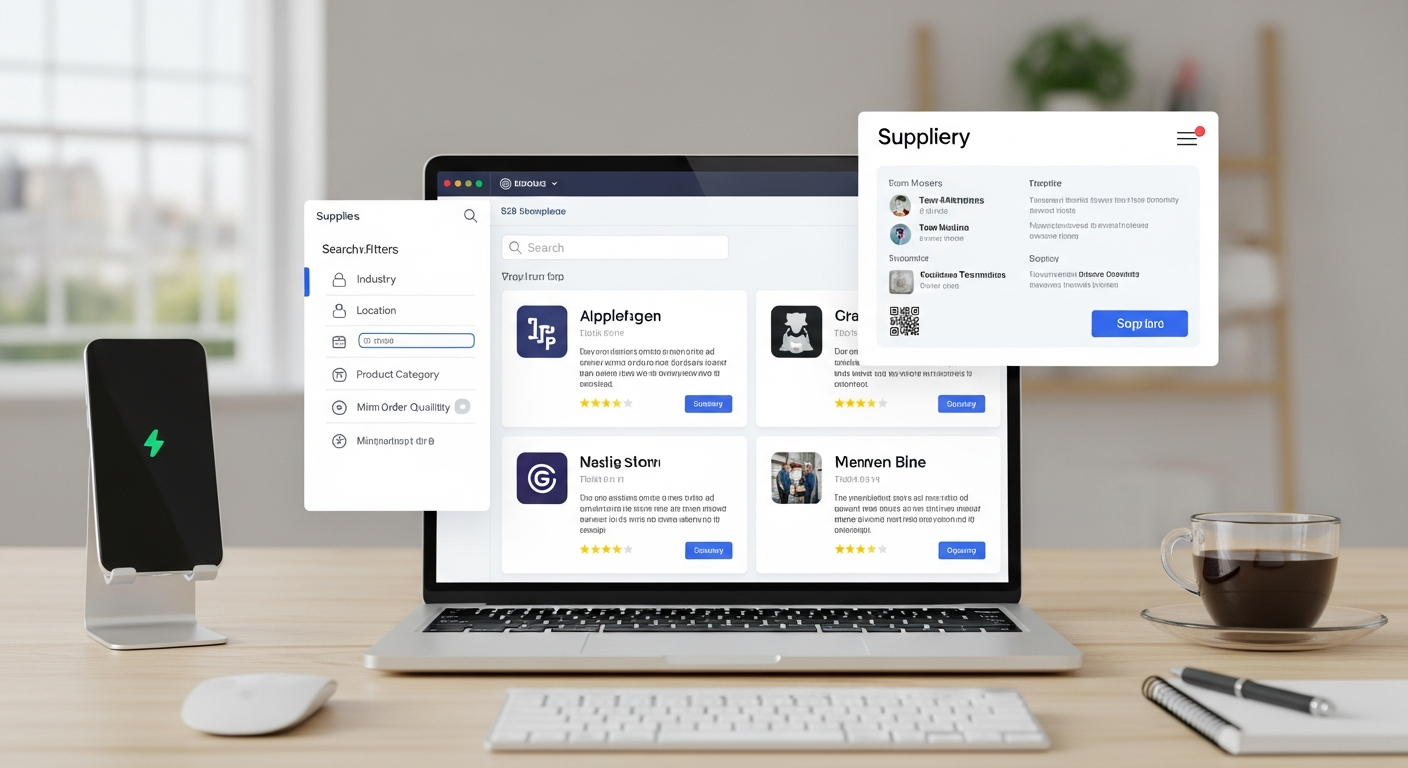
TR2B service listings can turn available capacity into a searchable offer when the title and description are narrow. The supplier should list the specific capacity package, not the factory in general.
A disciplined listing also tells buyers how to start: required product data, available dates, sample expectations, documents and commercial boundaries.
TR2B service listings | TR2B growth workflow | TR2B profile features
Capacity demand checklist
- Is the available capacity tied to a specific process and time window?
- Are minimum order, margin and change rules defined before publication?
- Does the service title describe a real buyer use case?
- Are rush, sample and material assumptions visible?
- Are inquiries measured by fit and profitability?
Conclusion
Unused capacity becomes useful B2B demand when it is packaged as a controlled service, not as a vague availability statement.
The supplier that protects margin and quality while publishing clear capacity signals will attract fewer random messages and more work that can actually be delivered.
Related internal checks
To strengthen the decision on Turning Unused Production Capacity into B2B Demand, continue with these related checks before choosing a supplier or approving production.
- How Contract Manufacturers Find Customers
- Supplier Profile for Contract Manufacturing Jobs
- TR2B Benefits for Українська Suppliers: Finding New Customers
- Trusted Supplier Profile on B2B Platforms
- How to Prepare a Contract Manufacturing Quote
- Online Contract Manufacturing Platforms
- Choosing the Right Contract Manufacturing Partner
- What is Contract Manufacturing? Complete Guide
Sources and further reading
Further reading for Turning Unused Production Capacity into B2B Demand: consult the relevant standards and regulator guidance for the product and target market.