Restricted Substances in Textiles: How to Read Test Reports

Bij Restricted Substances in Textiles: How to Read Test Reports is de sterkste aanpak het koppelen van operationele eisen, kosten, kwaliteit en leverancierscontrole aan één verifieerbare beslissing.

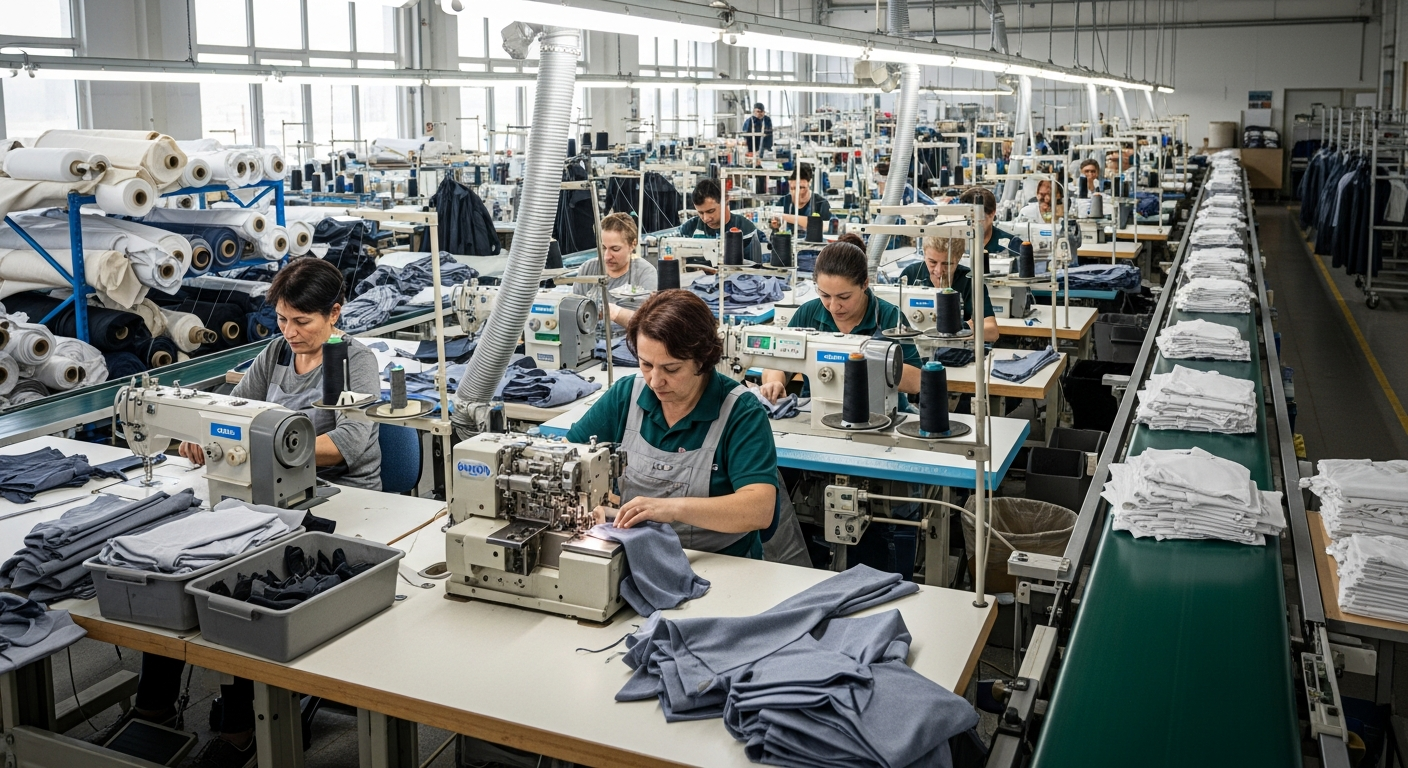
Afbeelding bij Restricted Substances in Textiles: How to Read Test Reports in Textiel contract manufacturing

Wat eerst duidelijk moet zijn

Zie Restricted Substances in Textiles: How to Read Test Reports als een industriële beslissing, niet alleen als prijsvergelijking. In Textiel contract manufacturing moeten resultaat, volume, toleranties, verpakking, regelgevingsdocumenten, planning en acceptatiecriteria vóór de onderhandeling duidelijk zijn.

Documenten die risico verlagen

  • Restricted Substances in Textiles: How to Read Test Reports: Goedgekeurde productspecificatie of technisch dossier
  • Restricted Substances in Textiles: How to Read Test Reports: Toepasselijke certificaten en exacte scope per certificaat
  • Restricted Substances in Textiles: How to Read Test Reports: Kwaliteitsplan, testmethode en acceptatiecriteria
  • Restricted Substances in Textiles: How to Read Test Reports: Voorbeeld van inspectierapport of batchcertificaat
  • Restricted Substances in Textiles: How to Read Test Reports: Prijs, MOQ, sample, lead time, betaling en wijzigingsregels

Belangrijke aandachtspunten

De grootste risico’s bij Restricted Substances in Textiles: How to Read Test Reports zijn vage eisen, niet-geverifieerde certificaten, wijzigingen zonder registratie, onvolledige testen en onduidelijke verantwoordelijkheden.

Gecontroleerd vooruitgaan

Zet adviezen uit Restricted Substances in Textiles: How to Read Test Reports om in meetbare acceptatiecriteria voordat je ze gebruikt voor inkoop of productie.

  • Restricted Substances in Textiles: How to Read Test Reports: Vraag actuele certificaten op en controleer de scope.
  • Restricted Substances in Textiles: How to Read Test Reports: Leg samples, toleranties, testen en levering schriftelijk vast.
  • Restricted Substances in Textiles: How to Read Test Reports: Vergelijk minstens twee leveranciers voor volumeverplichting.
  • Restricted Substances in Textiles: How to Read Test Reports: Scheid regelgevingscheck en commerciële onderhandeling.

De rol van TR2B

Restricted Substances in Textiles: How to Read Test Reports: TR2B Fason Üretim TR2B pricing

Operationele conclusie

Restricted Substances in Textiles: How to Read Test Reports wordt betrouwbaarder wanneer de beslissing op bewijs is gebaseerd. Leg eisen, controles, verantwoordelijkheden en escalatiepad schriftelijk vast voordat je productie goedkeurt.

Gesponsorde advertentie TR2B Sourcen uit Türkiye Maak textielleveranciers zichtbaar op TR2B Maak een profiel, plaats producten en diensten, en ontvang betere offerteaanvragen. ProfielGroei Hoe TR2B werkt

Editorial quality checklist for Textiel contract manufacturing

Restricted Substances in Textiles: How to Read Test NL guide should be used as a working decision file, not only as a reading page. The practical check is whether a buyer can leave the article with a clear scope, required evidence, supplier questions, risk owner and next action for Textiel contract manufacturing.

For stronger SEO and buyer usefulness, this page now connects the topic to proof, implementation and related sourcing paths. That reduces thin-content risk and helps the reader move from general research to a verifiable supplier or operating decision.

  • Define the decision: write product or service scope, target market, expected volume, approval owner and the date of the next review.
  • Ask for current evidence: request documents that match this exact product, service, batch, process or customer scenario.
  • Compare complete answers: score response quality, missing data, correction speed and commercial assumptions before comparing price.
  • Keep the first order controlled: connect sample approval, release criteria, logistics, payment terms and corrective action in one note.
Review areaQuality question
ScopeProduct, market, volume, owner and release rule are written before supplier comparison.
EvidenceSpecification, sample, quality record, certificate, label or service proof is checked for date and relevance.
DecisionThe buyer records what can be approved now, what is blocked and who owns the next correction.

FAQ for this article

What should be checked first for Textiel contract manufacturing?

Start with the decision file: scope, evidence, acceptance criteria, delivery assumptions and the person who can approve or stop the next step.

How does this article support supplier or partner selection?

It turns the topic into a checklist of records, questions and comparison rules, so the reader can separate a strong answer from a generic sales reply.

When should the reader move to a related guide?

Move to a related guide when the next risk is outside the current page, such as supplier discovery, contract manufacturing, food safety, logistics or company verification.

Useful cross-site next reads

Versterk je beslissing over Restricted Substances in Textiles: How to Read Test Reports met deze gerelateerde controles voordat je een leverancier kiest of productie vrijgeeft.

Bronnen en verder lezen

Restricted Substances in Textiles: How to Read Test Reports is bekeken op basis van officiële normen, regelgevingspagina’s en sectorbronnen. Controleer juridische, medische, voedsel- of exportbeslissingen altijd aan de actuele officiële tekst.

Practical depth notes for Article

Restricted Substances in Textiles: How to Read Test Reports evidence and decision checklist
Article decisions should connect evidence, risk, owner and next action.

Restricted Substances in Textiles: How to Read Test Reports now includes an additional decision layer for readers who need more than a short overview. The practical goal is to define the buyer file, the evidence request, the first review point and the next page to read inside the same topic cluster.

For Article, quality is strongest when the article answers four operating questions: what is being decided, which evidence proves it, what risk can stop the next step and who owns the correction. That structure helps the page serve both search intent and real buyer work.

Internal reading path

Source and verification notes

Use open and official references as orientation, then validate every live supplier, price, customs, legal or technical decision with current documents from the responsible party. Public sources support context; they do not replace buyer-side due diligence.

Decision checklist

StepEvidence to keepStop rule
ScopeProduct, service, market, quantity and ownerNo comparison without same baseline
EvidenceCurrent record tied to the exact offerPause if proof is generic or outdated
ReleaseApproval note, delivery assumption and correction ownerDo not scale until first review is closed
Gesponsorde advertentie TR2B B2B van Türkiye Vind textielleveranciers in Türkiye Ontdek producten, diensten, bedrijfsprofielen en directe contactroutes op TR2B. SourcingRFQ Diensten bekijken Gesponsorde advertentie TR2B Sourcen uit Türkiye Maak textielleveranciers zichtbaar op TR2B Maak een profiel, plaats producten en diensten, en ontvang betere offerteaanvragen. ProfielGroei Hoe TR2B werkt