Restricted Substances in Textiles: How to Read Test Reports

Per Restricted Substances in Textiles: How to Read Test Reports, l’approccio più forte collega requisiti operativi, costi, qualità e controllo del fornitore in una decisione verificabile.

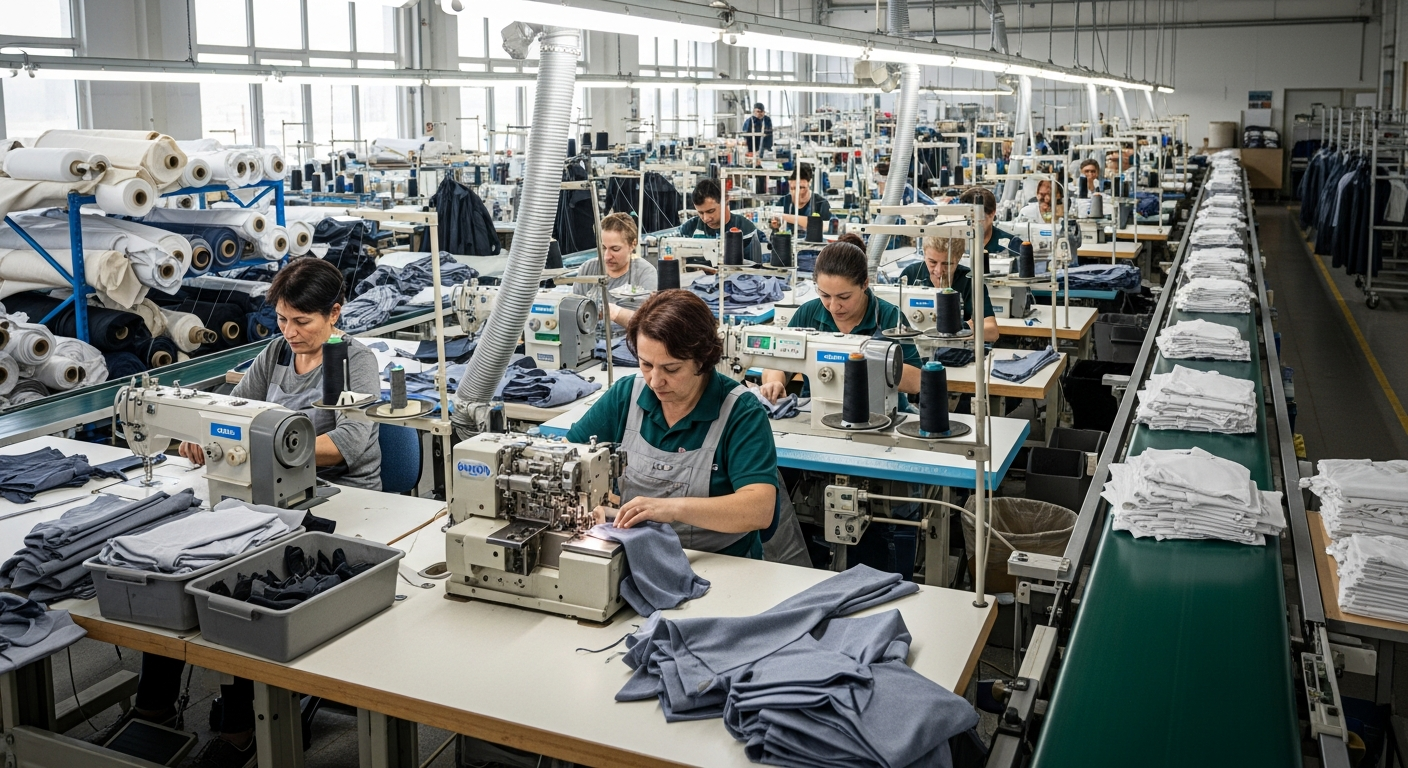
Immagine per Restricted Substances in Textiles: How to Read Test Reports in Produzione tessile conto terzi

Cosa chiarire prima

Trattate Restricted Substances in Textiles: How to Read Test Reports come una decisione industriale, non come una semplice ricerca di prezzo. In Produzione tessile conto terzi, risultato atteso, volume, tolleranze, packaging, documenti regolatori, tempi e criteri di accettazione devono essere chiari prima della negoziazione.

Documenti che riducono il rischio

  • Restricted Substances in Textiles: How to Read Test Reports: Specifica prodotto o file tecnico approvato
  • Restricted Substances in Textiles: How to Read Test Reports: Certificati applicabili e ambito esatto di ciascun certificato
  • Restricted Substances in Textiles: How to Read Test Reports: Piano qualità, metodo di prova e criteri di accettazione
  • Restricted Substances in Textiles: How to Read Test Reports: Esempio di report ispettivo o certificato di lotto
  • Restricted Substances in Textiles: How to Read Test Reports: Prezzo, MOQ, campione, lead time, pagamento e regole di modifica

Punti di attenzione

I rischi principali in Restricted Substances in Textiles: How to Read Test Reports sono requisiti vaghi, certificati non verificati, modifiche non registrate, test incompleti e responsabilità poco definite.

Come avanzare mantenendo il controllo

Prima di usare Restricted Substances in Textiles: How to Read Test Reports in una decisione di acquisto o produzione, trasformate i consigli in criteri misurabili.

  • Restricted Substances in Textiles: How to Read Test Reports: Richiedete certificati aggiornati e verificate l’ambito.
  • Restricted Substances in Textiles: How to Read Test Reports: Definite campione, tolleranze, test e consegna per iscritto.
  • Restricted Substances in Textiles: How to Read Test Reports: Confrontate almeno due fornitori prima di impegnare volumi.
  • Restricted Substances in Textiles: How to Read Test Reports: Separate revisione regolatoria e negoziazione commerciale.

Il ruolo di TR2B nel processo

Restricted Substances in Textiles: How to Read Test Reports: TR2B Fason Üretim TR2B pricing

Conclusione operativa

Restricted Substances in Textiles: How to Read Test Reports diventa più affidabile quando la decisione si basa su prove, non su promesse. Prima di firmare o approvare la produzione, mettete per iscritto requisiti, controlli, responsabilità e percorso di risposta.

Annuncio sponsorizzato TR2B Sourcing dalla Türkiye Rendi fornitori tessili visibili su TR2B Crea un profilo, pubblica prodotti e servizi, e ricevi richieste di preventivo più qualificate. ProfiloCrescita Come funziona TR2B

Editorial quality checklist for Produzione tessile conto terzi

Restricted Substances in Textiles: How to Read Test IT guide should be used as a working decision file, not only as a reading page. The practical check is whether a buyer can leave the article with a clear scope, required evidence, supplier questions, risk owner and next action for Produzione tessile conto terzi.

For stronger SEO and buyer usefulness, this page now connects the topic to proof, implementation and related sourcing paths. That reduces thin-content risk and helps the reader move from general research to a verifiable supplier or operating decision.

  • Define the decision: write product or service scope, target market, expected volume, approval owner and the date of the next review.
  • Ask for current evidence: request documents that match this exact product, service, batch, process or customer scenario.
  • Compare complete answers: score response quality, missing data, correction speed and commercial assumptions before comparing price.
  • Keep the first order controlled: connect sample approval, release criteria, logistics, payment terms and corrective action in one note.
Review areaQuality question
ScopeProduct, market, volume, owner and release rule are written before supplier comparison.
EvidenceSpecification, sample, quality record, certificate, label or service proof is checked for date and relevance.
DecisionThe buyer records what can be approved now, what is blocked and who owns the next correction.

FAQ for this article

What should be checked first for Produzione tessile conto terzi?

Start with the decision file: scope, evidence, acceptance criteria, delivery assumptions and the person who can approve or stop the next step.

How does this article support supplier or partner selection?

It turns the topic into a checklist of records, questions and comparison rules, so the reader can separate a strong answer from a generic sales reply.

When should the reader move to a related guide?

Move to a related guide when the next risk is outside the current page, such as supplier discovery, contract manufacturing, food safety, logistics or company verification.

Useful cross-site next reads

Per rafforzare la decisione su Restricted Substances in Textiles: How to Read Test Reports, continuate con questi controlli prima di scegliere un fornitore o approvare la produzione.

Fonti e letture utili

Restricted Substances in Textiles: How to Read Test Reports è stato rivisto usando standard ufficiali, pagine regolatorie e riferimenti settoriali. Verificate sempre le decisioni legali, mediche, alimentari o di export sul testo ufficiale più recente.

Practical depth notes for Article

Restricted Substances in Textiles: How to Read Test Reports evidence and decision checklist
Article decisions should connect evidence, risk, owner and next action.

Restricted Substances in Textiles: How to Read Test Reports now includes an additional decision layer for readers who need more than a short overview. The practical goal is to define the buyer file, the evidence request, the first review point and the next page to read inside the same topic cluster.

For Article, quality is strongest when the article answers four operating questions: what is being decided, which evidence proves it, what risk can stop the next step and who owns the correction. That structure helps the page serve both search intent and real buyer work.

Internal reading path

Source and verification notes

Use open and official references as orientation, then validate every live supplier, price, customs, legal or technical decision with current documents from the responsible party. Public sources support context; they do not replace buyer-side due diligence.

Decision checklist

StepEvidence to keepStop rule
ScopeProduct, service, market, quantity and ownerNo comparison without same baseline
EvidenceCurrent record tied to the exact offerPause if proof is generic or outdated
ReleaseApproval note, delivery assumption and correction ownerDo not scale until first review is closed
Annuncio sponsorizzato TR2B B2B di Türkiye Trova fornitori tessili in Türkiye Scopri prodotti, servizi, profili aziendali e contatti diretti su TR2B. SourcingRFQ Esplora servizi Annuncio sponsorizzato TR2B Sourcing dalla Türkiye Rendi fornitori tessili visibili su TR2B Crea un profilo, pubblica prodotti e servizi, e ricevi richieste di preventivo più qualificate. ProfiloCrescita Come funziona TR2B